
Event Recap | CBA-Canada 5th Annual Conference Concludes Successfully in Toronto
The Chinese Biopharmaceutical Association – Canada Chapter (CBA-Canada) held its 5th Annual Conference on September 27, 2025, at LaunchHub in Markham, Greater Toronto Area. This year’s conference, themed “Empowering Health: Accelerating Drug and Antibody Innovation from Bench to Bedside,” marked a major milestone — after four consecutive years in Montreal, the event was hosted for the first time in the heart of the Toronto technology corridor. The conference brought together over 100 experts, entrepreneurs, investors, and government representatives from Canada, the United States, and China, and was conducted in a hybrid format (in-person and online). Since its founding in 2019, CBA-Canada has remained committed to fostering deep academic exchange and industry collaboration. The 5th Annual Conference continued this tradition, featuring three major panel discussions on the following key topics: Investment Opportunities and Challenges in Canada, AI + Healthcare, and Growth and Transformation of Young Entrepreneurs.
These sessions encouraged in-depth dialogue among academia, industry, and investors. The conference’s speaker lineup was stronger than ever, led by three distinguished academicians from both academia and industry. Together with many high-profile experts and business leaders, they delivered a thought-provoking and insightful program that highlighted Canada’s strengths in scientific research and its pathways toward commercialization.
The event not only showcased Canada’s growing influence in global biopharmaceutical innovation but also reinforced CBA-Canada’s role as a key bridge connecting research, industry, and international collaboration across North America and Asia.
Opening Ceremony: Canada, U.S., and China Representatives Gather to Highlight Global Collaboration
At 8:50 a.m., the 5th CBA-Canada Annual Conference officially commenced. Dr. Baowen Qi, President of CBA-Canada, delivered the opening remarks on behalf of the association, reviewing its six-year journey of growth and emphasizing Canada’s,particularly Toronto’s pivotal role in global pharmaceutical and artificial intelligence research. Dr. Qi noted that a series of groundbreaking medical innovations, including insulin, stem cells, the cardiac pacemaker, the Ebola vaccine, and LNP drug delivery systems, were all discovered or invented by Canadian scientists. Meanwhile, Canadian researchers have also played foundational and pioneering roles in key fields such as GLP-1 obesity therapeutics, T-cell receptor discovery, dendritic cell biology, and HIV drug development. In the field of artificial intelligence, Canada has also achieved extraordinary success, having three Turing Award laureates and one Nobel Prize winner. Prof. Geoffrey Hinton of the University of Toronto, widely known as the “Godfather of AI”, is one of the founding figures of deep learning. He received the Turing Award in 2018 and the Nobel Prize in Physics in 2024. Prof. Yoshua Bengio of the University of Montreal, who shared the 2018 Turing Award, founded Mila, the world’s largest AI research institute. Prof. Richard Sutton of the University of Alberta, recognized as the “Father of Reinforcement Learning,” also received the Turing Award in 2024. At the same time, Canada continues to lead globally in next-generation quantum computing. Remarkably, these world-class achievements have emerged from a nation of fewer than 40 million people, whose Nobel Prize count now rivals that of Japan. Dr. Qi emphasized that such achievements have established Canada as a globally recognized powerhouse of scientific innovation. However, he also pointed out that the commercialization of research outcomes remains a major weakness, calling for deeper integration with the capital and industrial strengths of the U.S. and China to bring original Canadian innovations to the global market and to patients. He concluded by reaffirming that CBA-Canada will continue to serve as a vital bridge for trilateral collaboration between China, Canada, and the United States, driving scientific translation and supporting the growth of the local biopharmaceutical ecosystem.
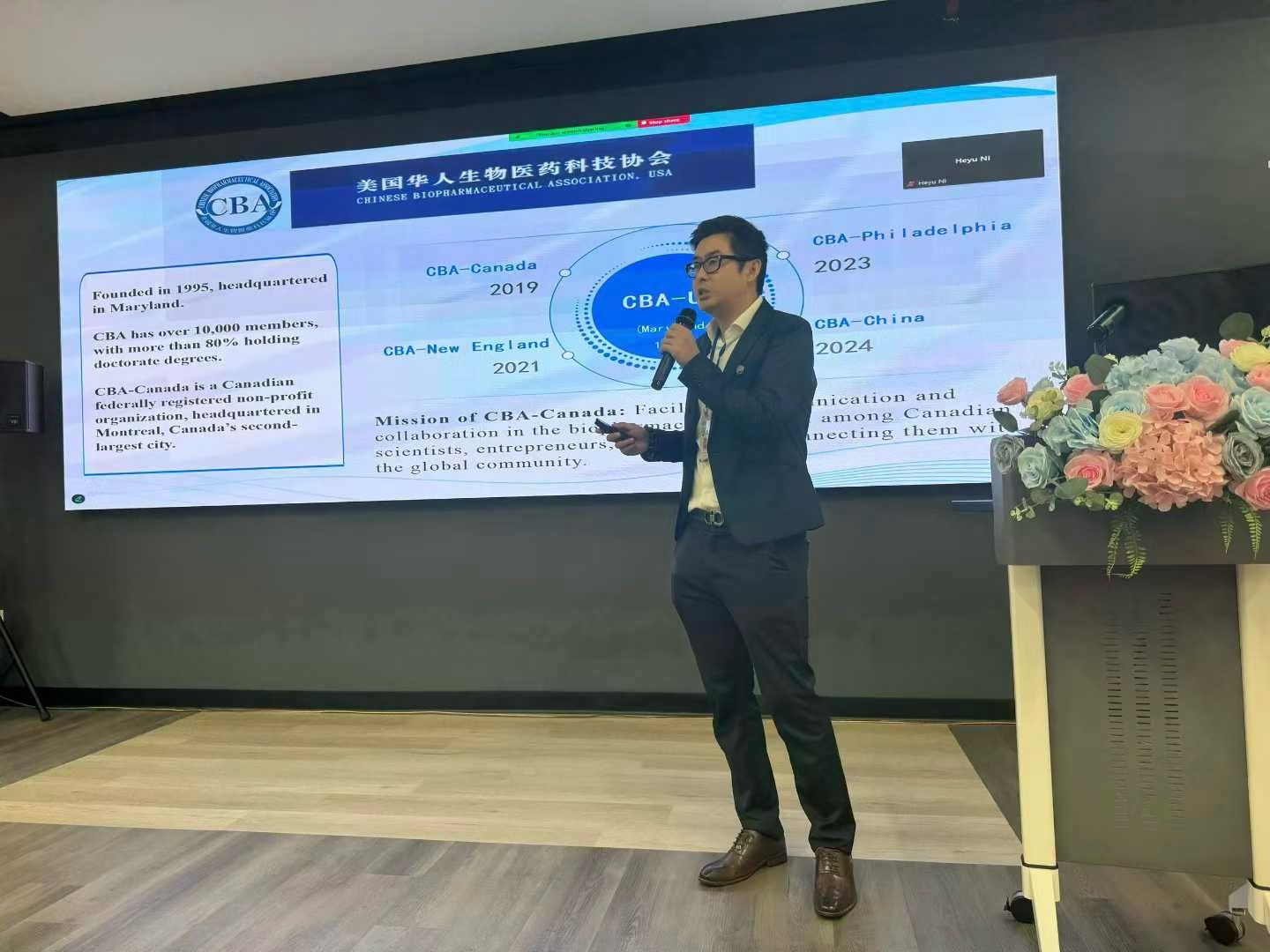
Photo: Dr. Baowen Qi delivering the introduction of CBA-Canada.
Dr. Angela Zeng, President of the Chinese Biopharmaceutical Association (CBA) Headquarters, traveled specially from Maryland, USA to attend the event and delivered an introduction about the organization’s history and mission. Founded in 1995, this year marks the 30th anniversary of CBA. The headquarters is located in the Washington, D.C. metropolitan area (Maryland), home to some of the most important biomedical and public health institutions in the United States, including the National Institutes of Health (NIH), the Food and Drug Administration (FDA), as well as numerous leading biotechnology companies and research institutions. This unique geographic and scientific environment has provided CBA with exceptional advantages for its establishment and growth. The founding members of CBA were primarily scientists and professionals from NIH, FDA, and other Maryland-based research organizations. They were not only world-class researchers but also key facilitators of international scientific collaboration. Over nearly three decades of development, CBA has evolved into one of the most influential Chinese biopharmaceutical academic and industrial organizations in North America, now boasting over 100,000 members worldwide, approximately 80% of whom hold Ph.D. degrees. Its membership represents a diverse community across pharmaceutical companies, research institutions, investment firms, government agencies, and academia. CBA organizes a wide range of activities, including its Annual Conference, which brings together top experts, scholars, and industry leaders from China, the United States, and Canada. In addition, it regularly hosts academic lectures, policy forums, and corporate roadshows, actively building platforms for investment, financing, and technology transfer to foster trilateral collaboration in the biopharmaceutical field. At the same time, CBA places strong emphasis on youth development, providing career advancement and growth opportunities for young scientists and entrepreneurs in the life sciences community.
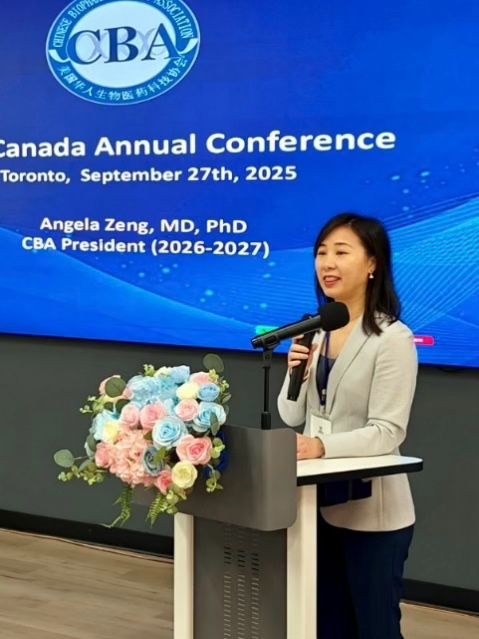
Photo: Dr. Angela Zeng introducing the overview of CBA Headquarters.
Mr. Peng Hao, Science and Technology Counselor of the Chinese Consulate-General in Canada, delivered a speech on behalf of the Consulate. In his remarks, he emphasized that China and Canada share broad prospects for collaboration in the fields of life sciences and health, and that international cooperation will continue to be a key trend driving future development. He also extended his best wishes for CBA-Canada to play an even more active and far-reaching role in promoting international exchange and cooperation in the years to come.
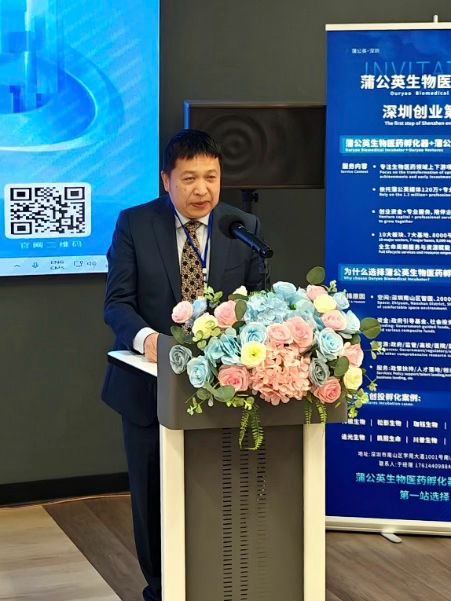
Photo: Counselor Peng Hao delivering remarks on behalf of the Chinese Consulate-General in Canada.
The presence of Councilor Alan Ho of the City of Markham added strong local significance to the conference. He presented an honorary certificate to CBA-Canada on behalf of Mayor Frank Scarpitti in recognition of the association’s contributions. In his remarks, Councilor Ho noted that Markham is not only one of the most prominent Chinese communities in Canada, but also a key hub for technology and innovation in North America. He emphasized that the City of Markham will continue to provide robust policy support and an enabling environment for the growth of life sciences and health technology in the region.
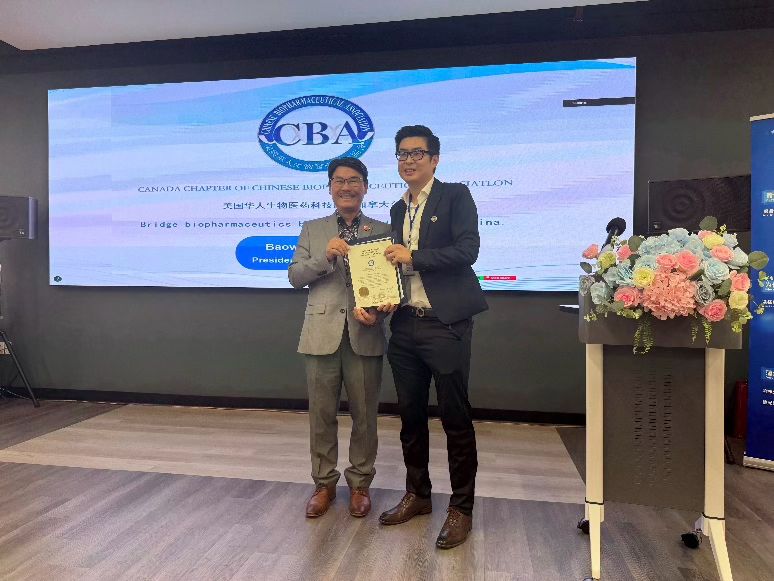
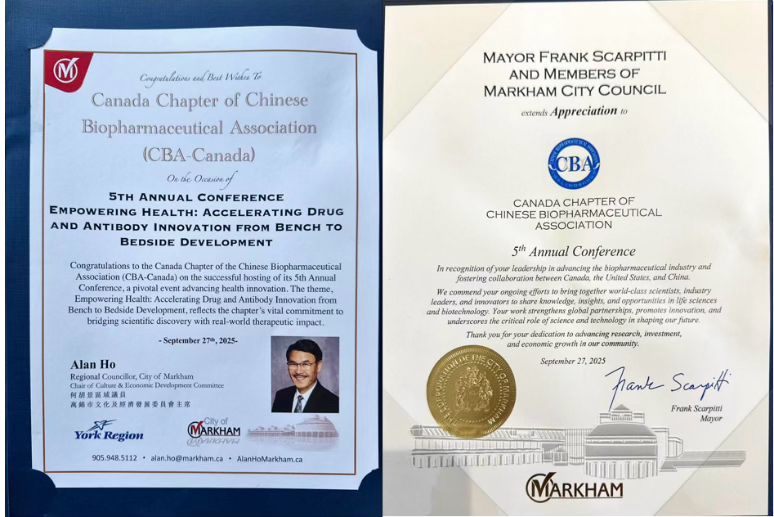
Photo: Councilor Alan Ho presenting the certificate to CBA-Canada on behalf of Mayor Frank Scarpitti.
The conference then moved into its keynote presentation session, featuring the first distinguished speaker — Prof. Ming-Sound Tsao, Fellow of the Royal Society of Canada and Professor at the University of Toronto. Prof. Tsao delivered a talk titled “Novel Patient-Derived Preclinical Cancer Models,” offering an in-depth overview of how patient-derived organoid tumor models can be leveraged to advance precision medicine and drug screening. His pioneering research has had a profound impact on the academic community and has provided a powerful new platform for preclinical oncology drug development. Through organoid-based systems, Prof. Tsao’s team has conducted systematic studies on tumor metastasis, drug resistance mechanisms, and precision therapeutic strategies, producing findings that have reshaped the global landscape of targeted cancer therapy.
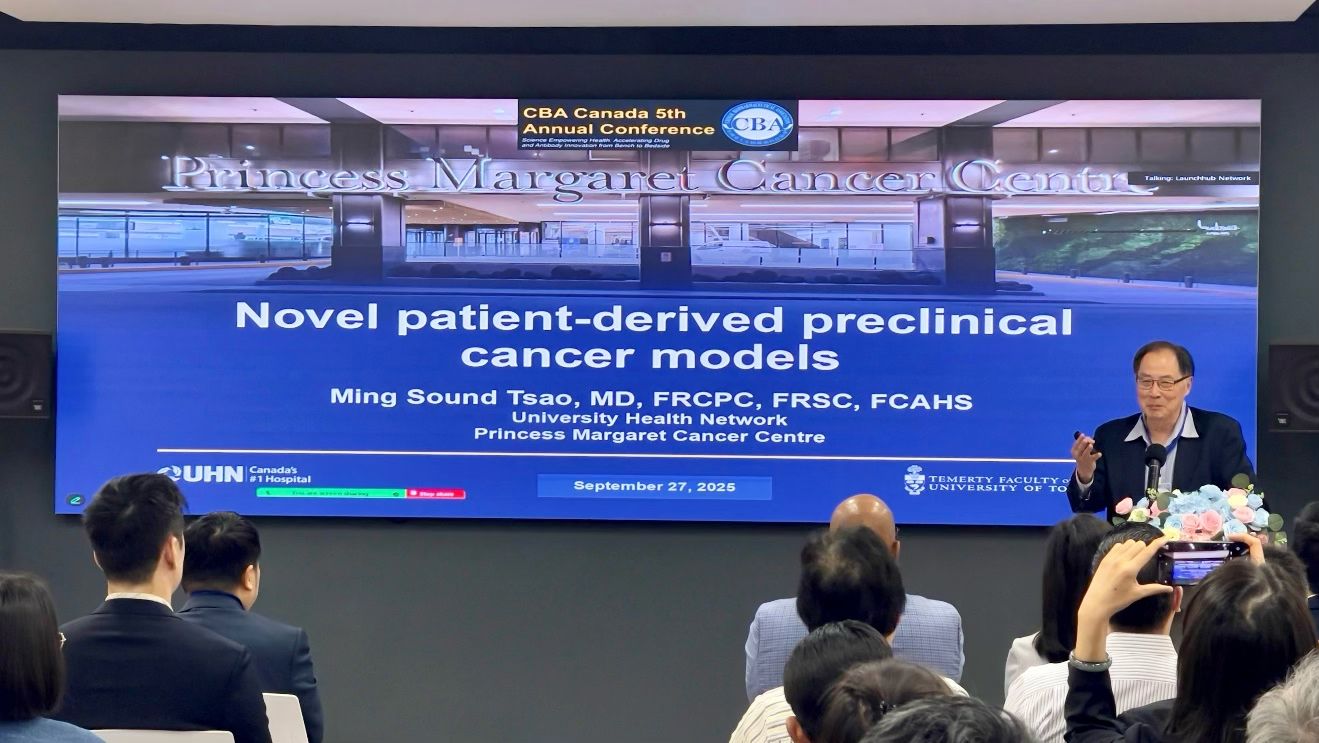
Photo: Prof. Ming-Sound Tsao delivering his keynote speech titled “Novel Patient-Derived Preclinical Cancer Models.
The second keynote speaker was Prof. Heyu Ni from the University of Toronto, a Fellow of the Canadian Academy of Health Sciences. Prof. Ni has made groundbreaking contributions in the fields of platelet biology and immunology, including the discovery of the well-known “Ni Channel.” As the founder of CCOA Therapeutics, Prof. Ni is leading his team in developing the world’s first platelet-targeting Fab antibody drug, which is currently undergoing clinical trials for the treatment of stroke, thrombocytopenia, and cancer. His keynote lecture, titled “Platelets and Major Human Diseases – New Mechanisms and Drug Development”, provided a comprehensive overview of the novel mechanisms by which platelets contribute to cardiovascular, inflammatory, and immune-related diseases. This pioneering work has opened new avenues for the development of next-generation antiplatelet therapies and disease intervention strategies. In his talk, Prof. Ni also extended a warm invitation to investors and collaborators to join in advancing innovative therapies for cardiovascular and cerebrovascular diseases, contributing together to the improvement of global human health.
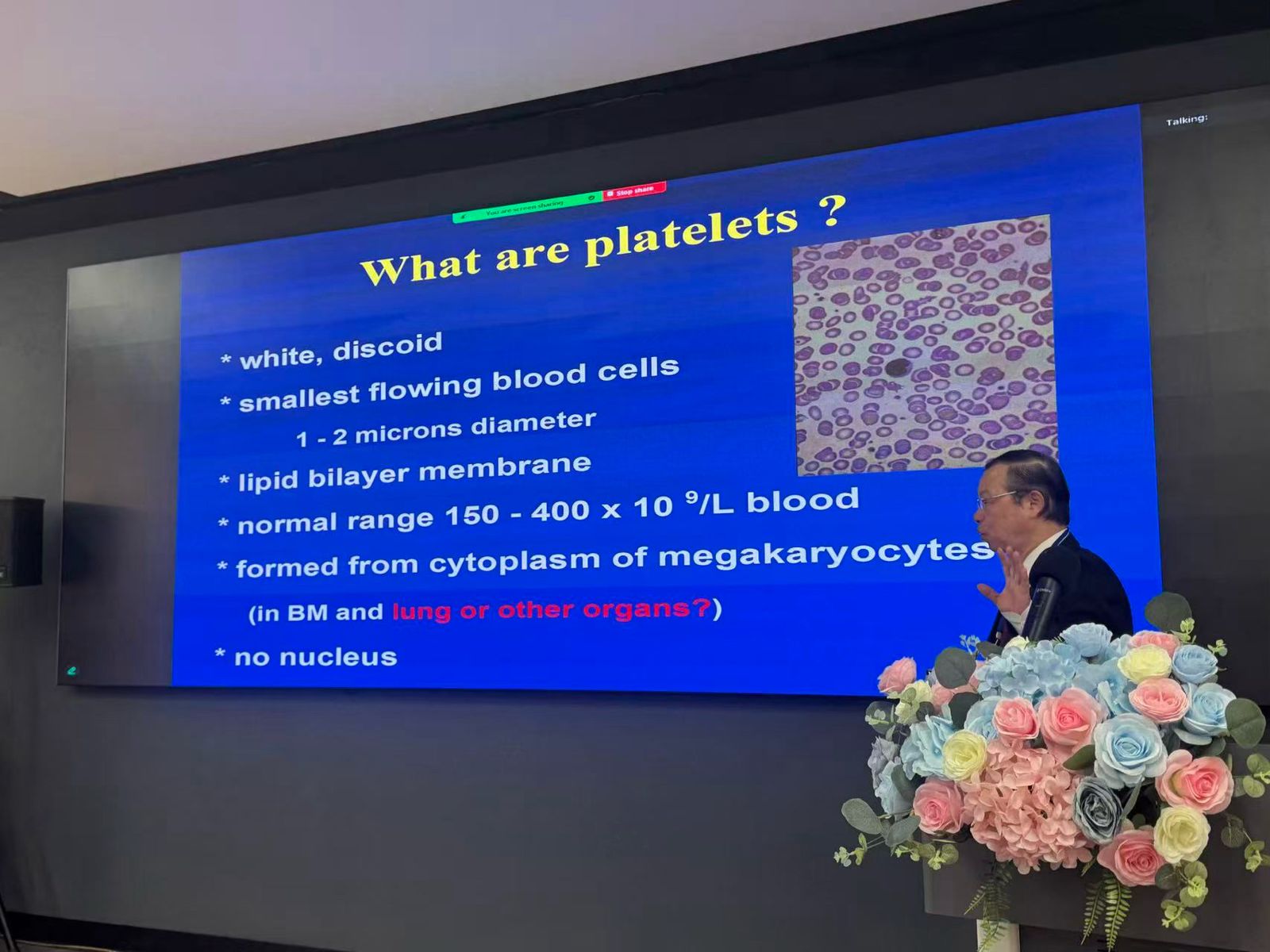
Photo: Prof. Heyu Ni delivering his keynote speech titled “Platelets and Major Human Diseases – New Mechanisms and Drug Development.
The third keynote speaker was Prof. Burton Yang from the University of Toronto, who currently holds the Canada Research Chair (Tier 1) in Cardiac Remodeling. His research focuses on microRNAs and circular RNAs (circRNAs), particularly their roles in cancer and cardiovascular diseases. Prof. Yang is widely recognized as a leading scientist in molecular biology and one of the world’s foremost authorities in circular RNA research. In his keynote presentation titled “Targeting Circular RNA Translation: A Novel Approach to Treating Cardiac Fibrosis,” Prof. Yang shared how his team is harnessing circRNA-based strategies to target cardiac fibrosis, providing new insights into the therapeutic potential of RNA-based drugs for cardiovascular diseases.
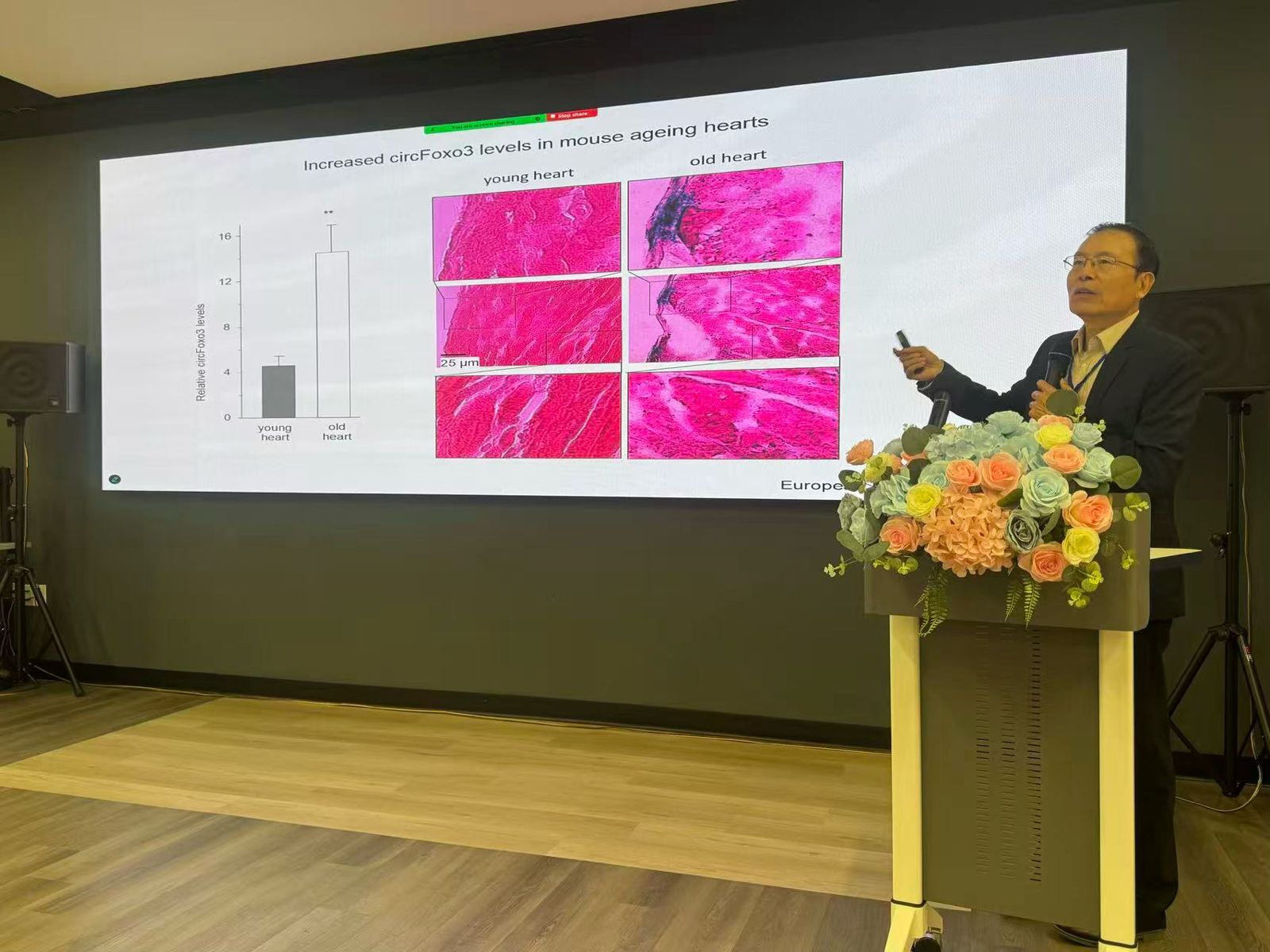
Photo: Prof. Burton Yang delivering his keynote speech titled “Targeting Circular RNA Translation: A Novel Approach to Treating Cardiac Fibrosis.
Mr. Jinwei Zhang, founder of Ouryao (Dandelion) Pharmaceuticals and a Lifetime Fellow of the Royal Society of Arts (UK), delivered a presentation titled “A Decade of Chinese Innovative Drugs: 2015–2025.” He reviewed the leapfrog progress of China’s innovative drug industry — from having “almost zero presence” to now ranking second globally in the size of its R&D pipeline, following a trajectory from “follower → parallel runner → partial leader.” Over the past decade, the implementation of the MAH system, accelerated regulatory review, and international harmonization have laid the foundation for this rapid rise. Meanwhile, R&D models have evolved from Me-too strategies toward AI-driven drug discovery, First-in-Class (FIC) innovations, and cutting-edge fields such as ADC and CGT. Companies like BeiGene, Legend Biotech, and Junshi Biosciences have seen their products gain FDA approval, significantly enhancing China’s global influence in drug innovation. Looking ahead, China’s innovative drug sector is expected to enter a new growth cycle, driven by policy adjustments, technological iteration, and globalization, showing great potential for industrial collaboration with countries such as Canada.
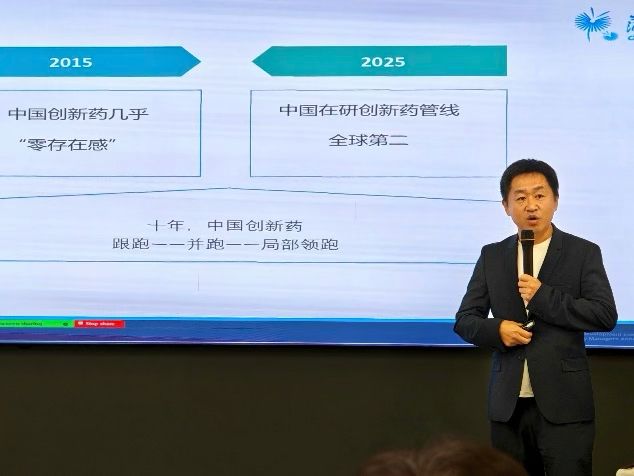
Photo: Mr. Jinwei Zhang, Founder of Ouryao (Dandelion) and Dean of the School of Biomedicine at Shanghai Lingang Industry University, delivered a presentation titled “A Decade of Chinese Innovative Drugs: 2015–2025.”
Innovation in the biopharmaceutical industry cannot thrive without capital investment. At this year’s annual conference, sponsors Cubio, Kyinno, and Anogen showcased their cutting-edge achievements and global strategies. Dr. Chao Liang, Deputy General Manager of CUBiO Innovation Center, delivered a talk on how global startups can leverage cross-border incubation, investment, and resource integration to achieve parallel growth in North America and China’s Yangtze River Delta region. In his presentation, Dr. Liang elaborated on how CUBiO’s cross-border innovation platform integrates the global healthcare ecosystem to help startups bridge the “last mile” between R&D and commercialization. CUBiO not only provides companies with clinical trial access, regulatory compliance guidance, and policy support, but also builds connections with investors, industry partners, and healthcare institutions through its extensive North American network. He highlighted several successful investment and commercialization cases, demonstrating how CUBiO helps startups rapidly transform laboratory concepts into industrial and international applications, enhancing their competitiveness in the global market. These examples vividly illustrate the unique value of cross-border incubation in driving global industrial innovation.
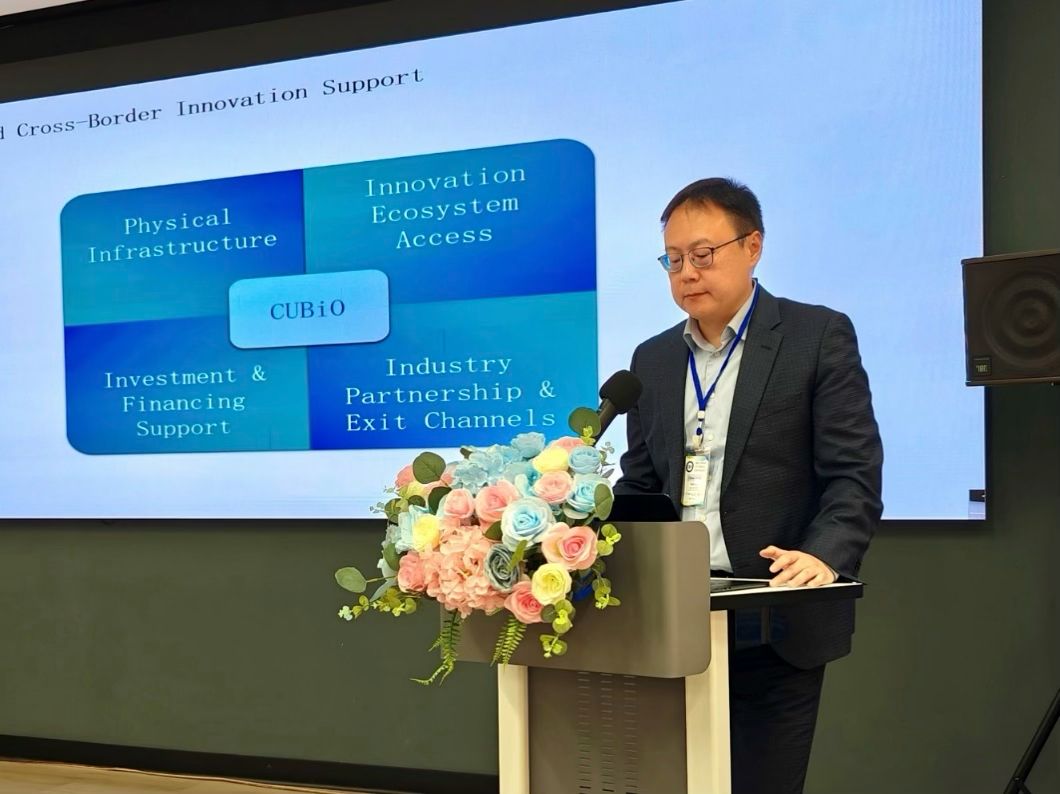
Photo: Dr. Chao Liang, Deputy General Manager of CUBiO Innovation Center, delivered a presentation titled “From the Yangtze River Delta to North America: Connecting Startups with the Innovation Ecosystem.”
Kyinno Biotech, headquartered in Beijing, is a preclinical contract research organization (CRO) and biotechnology company specializing in oncology and immunology. The company is dedicated to providing comprehensive R&D support and technical services for antibody, cell therapy, small-molecule, and combination therapy programs, with research operations established in both China and the United States. Kyinno boasts an industry-leading, full-spectrum preclinical research and technology service platform, covering key stages from cell model construction, antibody discovery, and combination drug screening to functional validation. As a pioneer in biotechnological innovation, Kyinno accelerates drug discovery with technology-driven solutions that enhance both efficiency and precision. At this year’s conference, Dr. Thomas Strong, Director of R&D at Kyinno, introduced the next-generation antibody discovery platform MPSA-AB5000, capable of high-throughput and highly specific screening across more than 5,000 human membrane proteins. This technology significantly reduces off-target risks in antibody R&D and provides powerful support for the early development of ADC and CAR-T therapies. With its cutting-edge science, robust technology platforms, and global perspective, Kyinno is empowering biopharmaceutical innovation worldwide through efficient and high-quality R&D solutions.
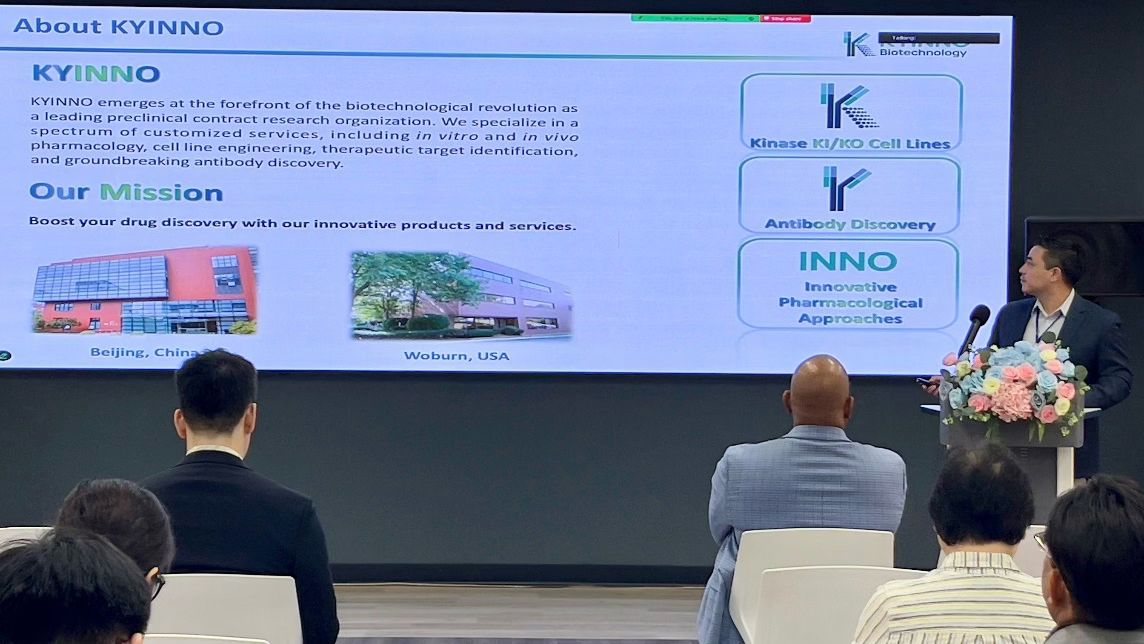
Photo: Dr. Thomas Strong, Director of R&D at Kyinno, presented the company’s unique next-generation AB5000 platform, which accelerates the development of antibody, ADC, and CAR-T therapeutics through comprehensive off-target insight.
Ms. Hui Zheng of Anogen shared the company’s more than 30-year journey of growth and innovation. Founded in 1989 and headquartered in Toronto, Canada, Anogen is a homegrown biotechnology company deeply rooted in antibody research and development and also served as the chief sponsor of this year’s annual conference. With over three decades of experience in the biopharmaceutical and biotechnology sectors, Anogen focuses on the R&D and production of monoclonal and polyclonal antibodies, as well as the development of various immunoassay kits (ELISA kits). Its products are distributed across multiple countries and regions worldwide, serving clients that include universities, research institutes, pharmaceutical companies, CRO laboratories, and hospitals. Anogen has remained dedicated to promoting the translation of antibody technologies from laboratory research to clinical diagnostics and therapeutics, continuously achieving breakthroughs that highlight the unique strengths of Canadian biotech enterprises in global antibody innovation and application. The company also warmly welcomes collaboration with partners from the U.S., China, and beyond to explore future opportunities for cooperation.
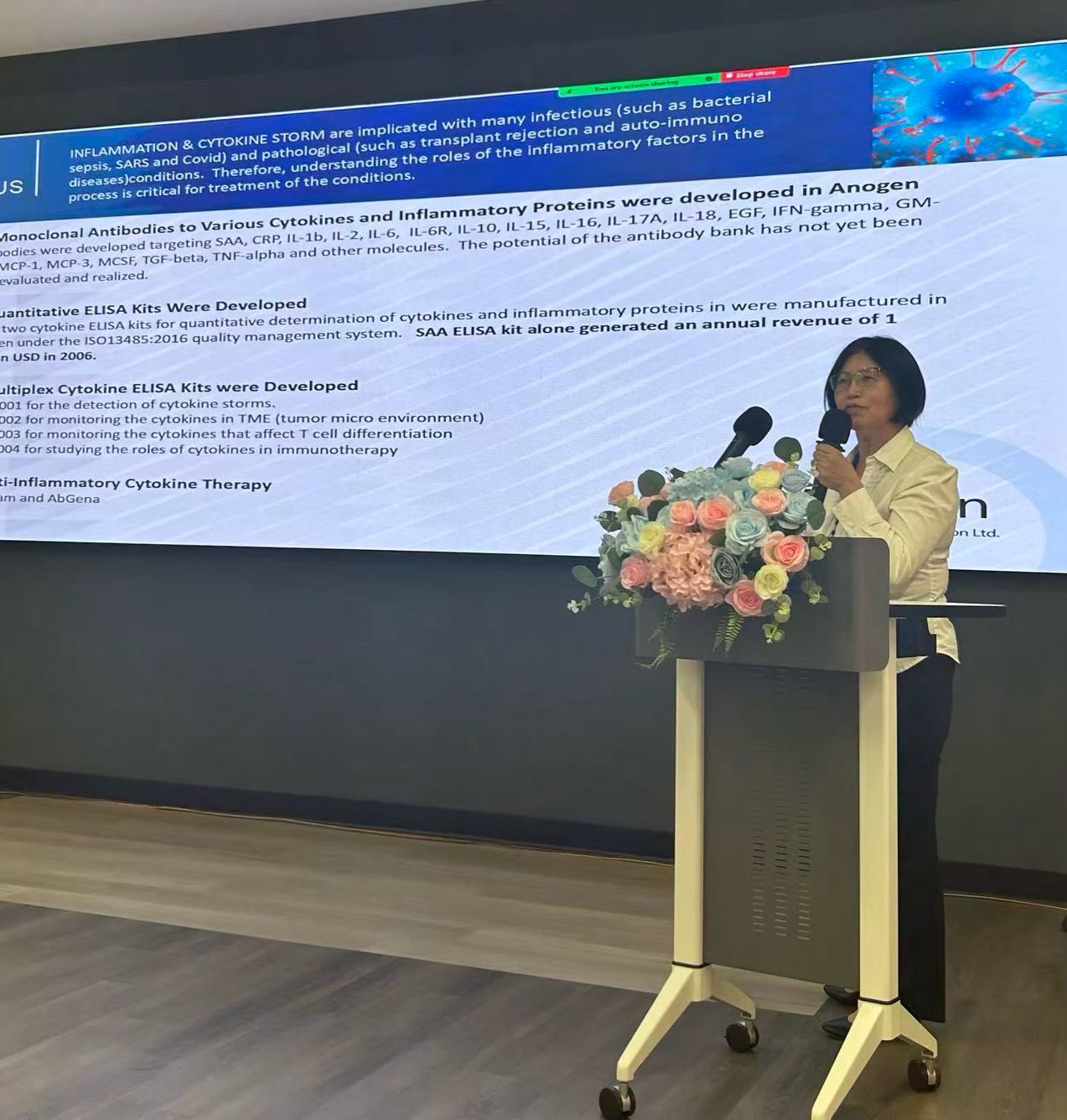
Photo: Ms. Hui Zheng of Anogen reviewed the company’s more than 30 years of development and introduced its core products and technological advantages. As a homegrown Canadian biotechnology company with over three decades of experience, Anogen has been deeply committed to driving scientific innovation and fostering international collaboration. Ms. Zheng expressed the company’s warm welcome to partners from the U.S., China, and around the world to explore future cooperation opportunities in research, industry, and market development.
Another major highlight of this year’s conference was the inclusion of three thematic panel discussions on trending topics in the biopharmaceutical industry. These sessions provided an interactive and multidisciplinary platform to explore the core issues of biotech innovation in greater depth. The first panel discussion, titled “Investing in Canada: Opportunities, Challenges, and Future Collaboration”, was moderated by Dr. Jonathan Chow from CovarPharm. The session brought together a panel of distinguished guests representing different facets of pharmaceutical investment:
- Dr. Lily Li, a senior executive at Eli Lilly and co-founder of Sixty Degree Capital, a venture capital fund focused on healthcare. During her tenure as Managing Director, she helped build a vibrant investment platform that achieved 11 successful exits, including 3 acquisitions and 8 IPOs.
- Dr. Terry Chow, CEO of the emerging Canadian biotech startup Montdorex, with over 30 years of molecular biology experience and recognized internationally as an expert in DNA repair enzymes.
- Mr. Dario Passarini, Director of Business Development at Sino Biological, formerly with SignalChem Biotech, a Canadian company recently acquired by Sino Biological.
- Dr. Chao Liang, Deputy General Manager of Cubio Innovation Center, bringing extensive expertise in global incubation and cross-border investment.
The panelists collectively agreed that Canada possesses world-leading strength in basic research yet still faces challenges in translating discoveries into commercialization. To ensure the sustainable growth of scientific innovation, they emphasized the importance of leveraging international capital, global collaboration, and integrated industrial value chains. During the discussion, the speakers shared insights into what investors look for in biopharmaceutical ventures, including data package preparation, market forecasting models, and other key decision-making factors. They also exchanged best practices for presenting innovation and managing investor expectations, offering a comprehensive analysis of the current investment landscape for Canadian biotech companies, highlighting both emerging opportunities and underexplored niche sectors. In the final part of the session, panelists drew upon their own successful deal experiences to provide practical advice and strategies for startups seeking new or follow-up financing rounds, offering valuable inspiration for companies aiming to grow within Canada’s biopharmaceutical innovation ecosystem.
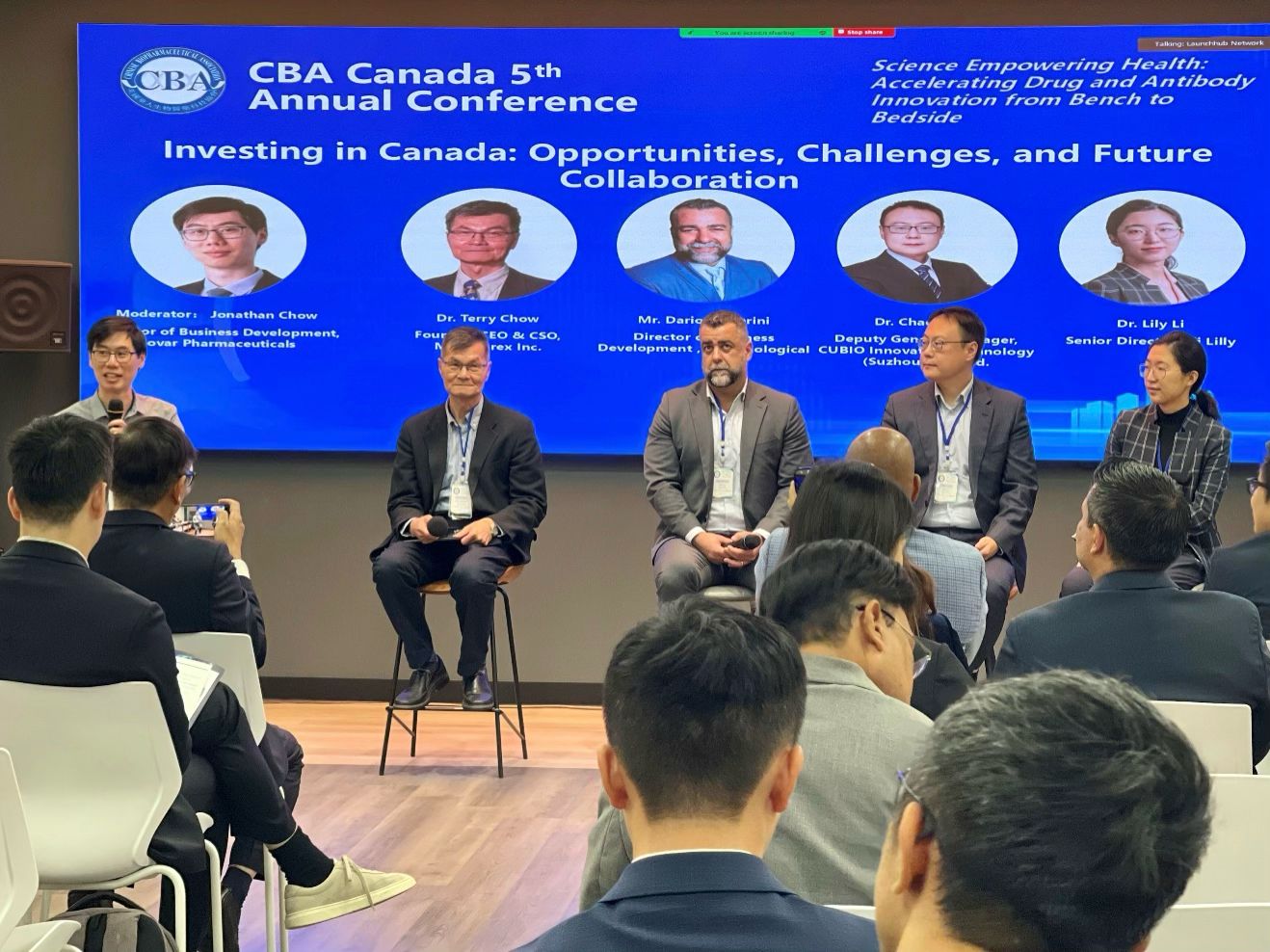
Photo: Panel Discussion I — “Investing in Canada: Opportunities, Challenges, and Future Collaboration”
Following the first panel discussion, the conference moved into a short lunch break. During the intermission, under the lively guidance of host Jill Miao, a lucky draw session was held, bringing a moment of relaxation and cheerful interaction for all attendees. The engaging activity added a touch of fun and camaraderie, further enhancing the warm and vibrant atmosphere of the event.
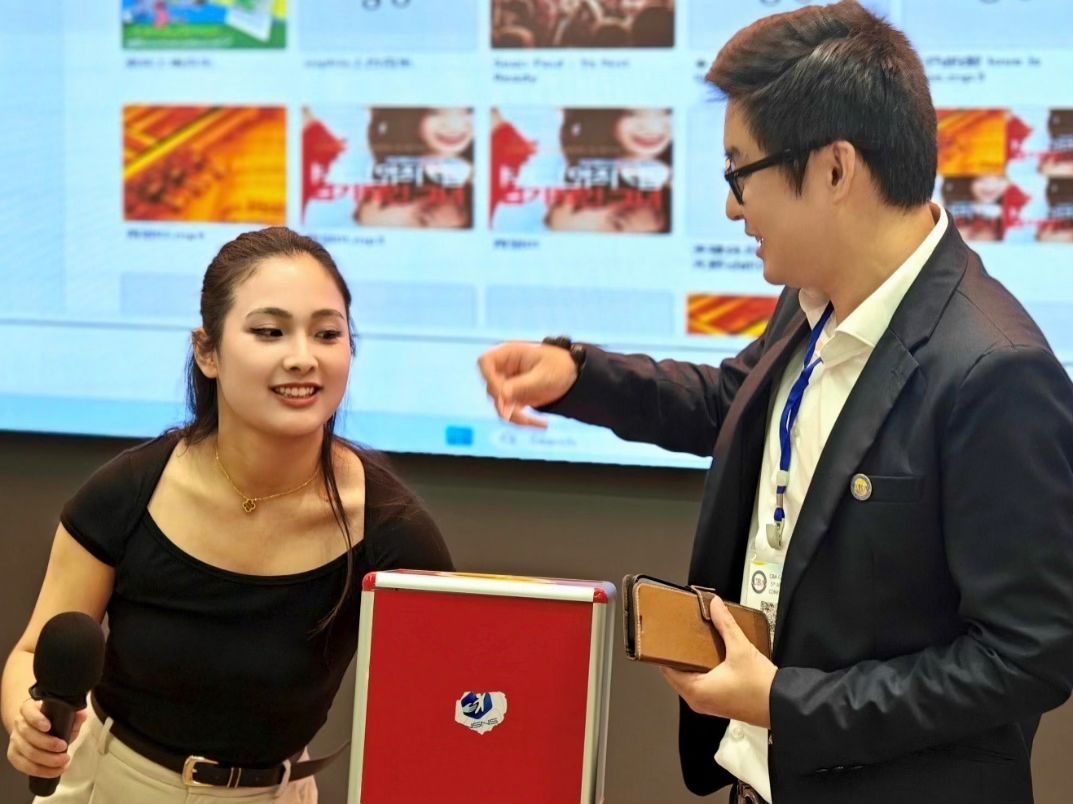
Photo: Lucky draw session during the lunch break
In the afternoon Innovation Showcase, three distinguished speakers presented their latest achievements and case studies in cutting-edge technologies and translational applications. The session began with a talk by Professor Chao Zheng from the University of Toronto, titled “Seeing Brain Function: New PET Imaging Probes to Explore Neurological Diseases.” Professor Zheng systematically introduced his team’s breakthroughs in developing novel positron emission tomography (PET) imaging probes. These new probes can detect changes in brain function with higher sensitivity and precision, offering promising new possibilities for the early diagnosis of neurodegenerative diseases such as Alzheimer’s and Parkinson’s. Professor Zheng emphasized that the new generation of PET probes not only advances fundamental research by enabling scientists to better understand the mechanisms underlying neurological disorders but also holds great translational potential for clinical applications. In the future, these technologies may become powerful tools in personalized and precision medicine. His work effectively bridges neuroscience, drug discovery, and clinical diagnostics, fostering a deeper integration of brain science across both academic and industrial domains.
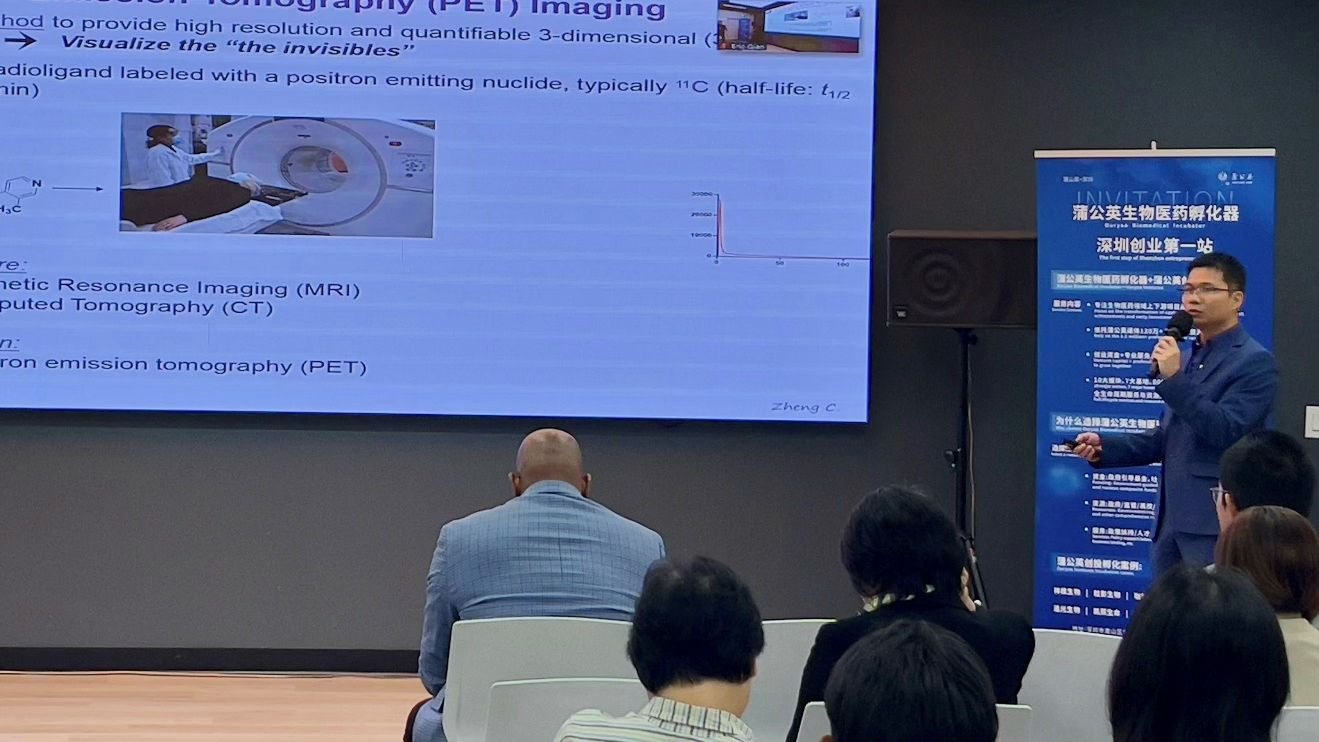
Photo: Prof. Chao Zheng from the University of Toronto delivered an academic presentation titled “Seeing Brain Function: New PET Imaging Probes to Explore Neurological Diseases.”
Following that, Ms. Mia Wang from Anogen shared the company’s latest explorations in the cross-disciplinary applications of IgY antibodies. She highlighted how IgY technology is breaking the traditional boundaries of scientific research and clinical diagnostics, expanding into the emerging fields of nutrition and professional skincare. In the nutrition sector, Anogen’s LifeShield IgY™ product utilizes the specific targeting capability of IgY antibodies against Helicobacter pylori to help reduce the risk of gastric infection, embodying a “prevention-first” health management concept within everyday dietary supplements. Upon its launch, the product drew widespread attention, injecting a new level of scientific credibility into the field of functional nutrition. In the medical aesthetics and skincare sector, the company’s independently developed ABGENA™ IgY functional skincare series leverages the anti-inflammatory and soothing properties of IgY antibodies to offer innovative solutions for skin barrier repair, sensitive skin care, and anti-aging treatments. This series demonstrates the frontier application of biological antibodies in the cosmetics industry, opening a new chapter in science-based skincare. Ms. Wang emphasized that these innovations have received strong market feedback, underscoring that Anogen not only remains a leader in antibody R&D and diagnostic technology, but is also pioneering cross-sector innovation to deliver practical, science-driven health and beauty solutions to consumers worldwide.
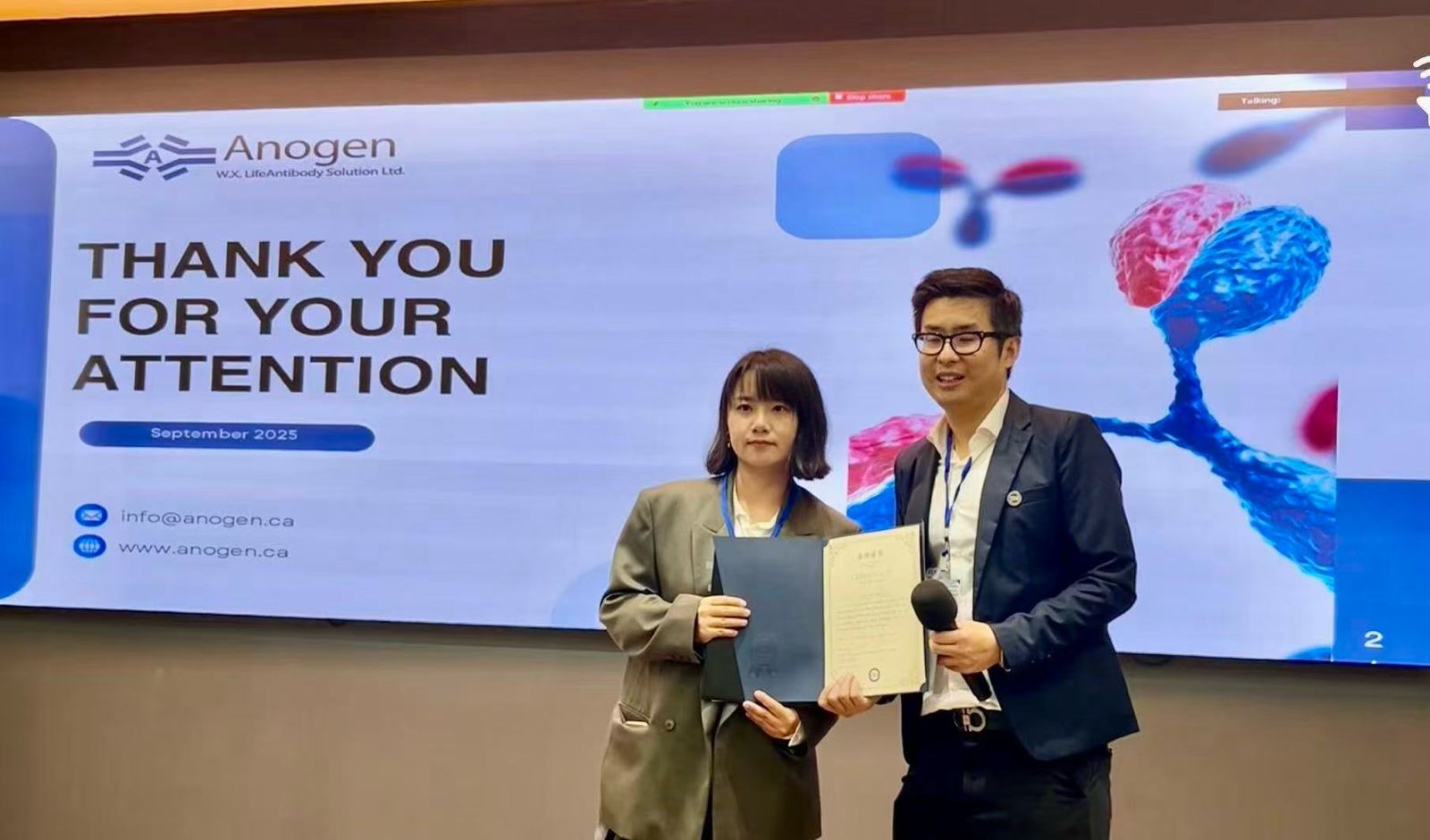
Photo: Ms. Mia Wang from Anogen shared the company’s innovative practices in product development, presenting a series of applications based on the chicken-embryo-derived IgY antibody technology platform. These include the development of functional health products for the prevention of Helicobacter pylori infection and anti-inflammatory, and reparative medical skincare products. The platform demonstrates the broad application potential of IgY technology in disease prevention and skin health.
Sino Biological, a publicly listed company headquartered in Beijing (SHE: 30104), is a global leader in biological reagents and a comprehensive one-stop CRO service provider. The company’s operations span multiple key areas, including recombinant protein and antibody development, gene cloning, antigen preparation, cell line construction, and drug screening, offering systematic support for global scientific research and drug discovery. Sino Biological has built one of the world’s largest bioresource libraries, comprising over 8,000 recombinant proteins, 14,000 high-quality antibodies, and the world’s most extensive viral antigen collection. These resources are widely applied in vaccine development, immunoassays, infectious disease research, and new drug target screening, providing a solid foundation for both basic research and translational applications. With its outstanding R&D capabilities and efficient global delivery network, Sino Biological has become a core partner for numerous international research institutions, hospitals, and pharmaceutical companies, playing a key role in drug discovery, target validation, and diagnostic development.
In his conference address, Mr. Dario Passarini reaffirmed that Sino Biological will continue to uphold its mission of “Empowering Science Through Innovation.” The company remains committed to deepening international collaboration and driving technological advancement and service excellence, contributing to the high-quality development of global life science research and the biopharmaceutical industry.
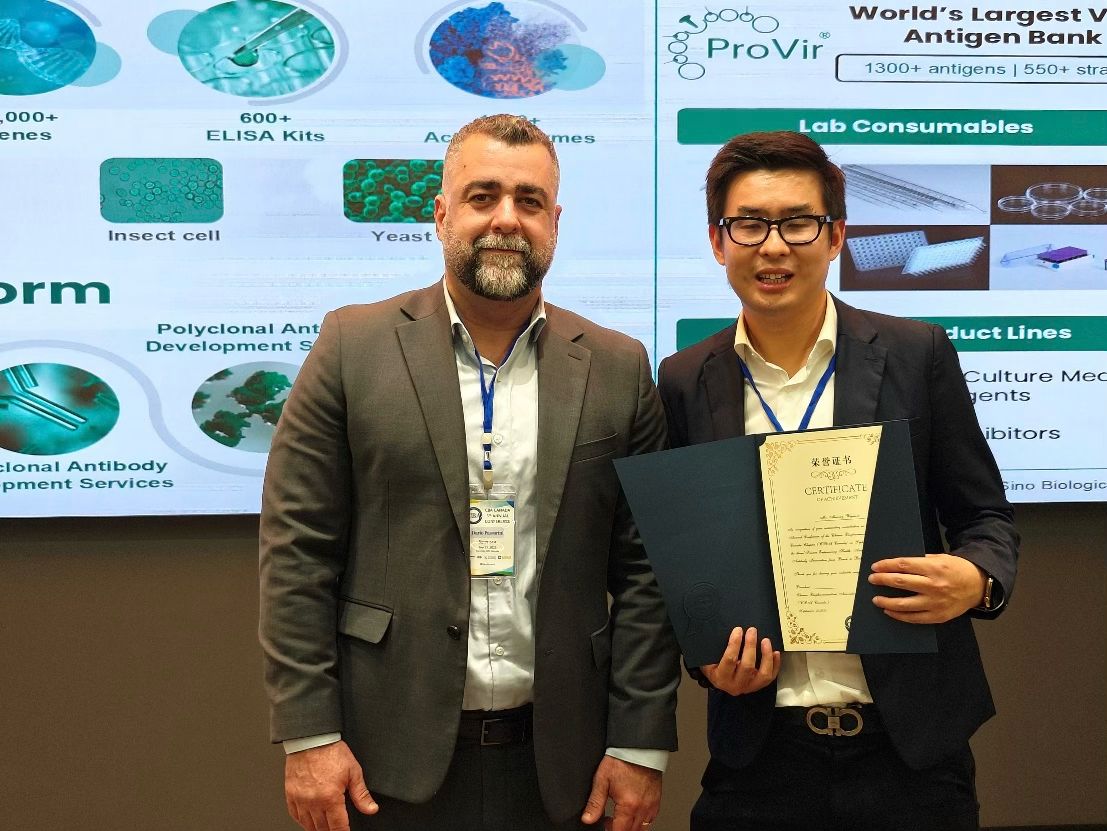
Photo: Mr. Dario Passarini, Director of Business Development at Sino Biological, presented the company’s strong global capabilities in customized biological reagents and integrated solutions.
The conference then moved into the second panel discussion, titled “AI-Driven Drug Discovery – Navigating Innovation, Risk, and Regulatory Challenges.” Moderated by Gabriel Lam, the panel featured distinguished guests including Dr. Angela Zeng, President of CBA-USA and Global Clinical Lead at AstraZeneca; Professor Steven Wang from York University, an expert in AI; Mr. Wesley Okeke from Headway Idea Labs; Ms. Juan He, Vice President of PharmaMedica; and Mr. Murray Wigmore, Chief Commercial Officer of Migali Scientific. Together, they explored the opportunities and challenges of applying artificial intelligence in drug discovery.
The discussion covered a wide range of issues, from algorithm reliability and data privacy to regulatory compliance—and featured lively audience engagement. A key insight emerged: the field of AI-driven drug discovery is currently standing at a realistic crossroads between promise and implementation. The industry has not yet witnessed a full-scale disruption of traditional methods; instead, it is progressing through small-scale, carefully managed pilot projects. Many multinational companies are testing AI applications while maintaining strict adherence to safety and ethical standards. Panelists also identified a fundamental disconnect between tech companies and the pharmaceutical industry. Technology developers often enter the life sciences space with “solutions in search of problems,” while pharmaceutical companies, though eager to leverage AI, frequently lack a deep understanding of its true capabilities and limitations. This gap underscores the need for mutual education: academia requires clearer project definitions from industry partners, while pharmaceutical firms prioritize data security, GMP compliance, and risk assessment, not innovation for its own sake. The forum emphasized that success depends not on choosing between rapid iteration and cautious advancement, but on finding the balance between the two. When asked whether AI would eventually replace human researchers, the consensus was clear: AI augments rather than replaces human intelligence. It excels in pattern recognition and data analysis but cannot replicate clinical judgment or creative reasoning. Notably, panelists observed that even if AI were to reduce drug development costs by 90%, drug prices would still be determined by market forces, not merely technological advances—highlighting that policy innovation is as vital as technological innovation. The discussion also underscored the unique opportunities in the City of Markham. With York University’s computing talent, diverse populations enabling rich clinical datasets, and proximity to Toronto’s healthcare infrastructure, Markham is ideally positioned to become a hub for AI-powered biomedicine.
In conclusion, the panel agreed that the path to success begins with small, well-defined pilot projects that deliver tangible results and build trust over time—paving the way for broader collaboration. Through this stepwise, trust-driven model, Markham has the potential to lead Canada’s AI-powered drug innovation not only through Artificial Intelligence, but through Collective Intelligence.
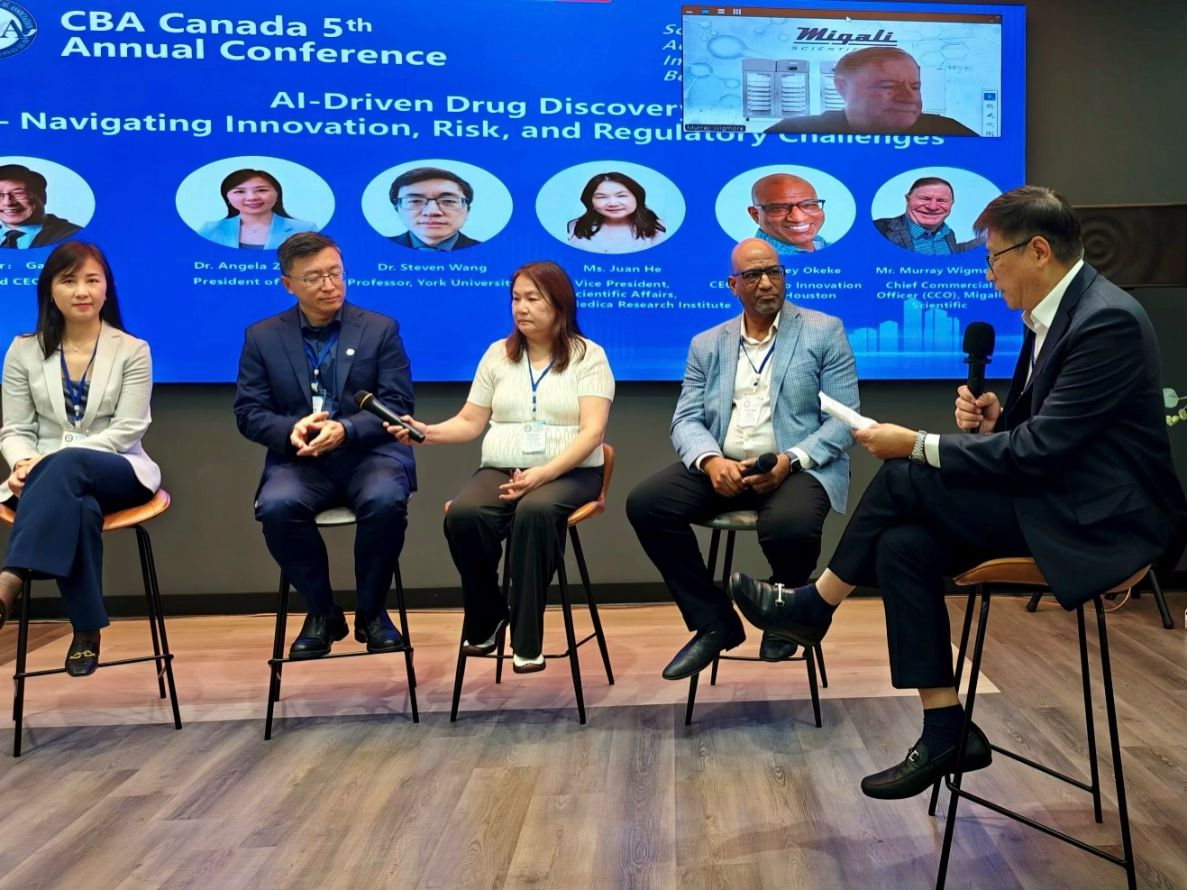
Photo: Panel Discussion II — “AI-Driven Drug Discovery: Navigating Innovation, Risk, and Regulatory Challenges”
After a brief intermission, Mr. Wesley Okeke from Headway Idea Labs in Houston—an investor with extensive international experience—delivered a presentation titled “The Market Growth Blueprint.” His talk offered practical strategies for startups aiming to achieve sustainable growth in the global market. Mr. Okeke emphasized that to succeed internationally, startups must possess not only strong products but also a clear Go-To-Market strategy and a growth trajectory that aligns with investor expectations. He highlighted the critical importance of early adopters, who not only help validate product–market fit but also play a vital role in shaping product features, pricing models, and communication strategies—providing the most convincing proof of traction for investors. He then introduced a Global Market Selection Matrix, designed to help startups evaluate and prioritize target countries based on cultural compatibility, policy environment, market size, and partnership readiness. Building on this framework, Mr. Okeke showcased the multiplier effect of partnerships, demonstrating how collaboration with industry associations, government agencies, corporate sponsors, and innovation hubs can significantly reduce customer acquisition costs while increasing customer lifetime value.
He also outlined diversified funding pathways, including North American and European federal programs, corporate venture capital funds, export guarantees, and government grants, reminding startups to align their fundraising strategies with their resources, milestones, and growth goals. Mr. Okeke concluded: “We must not only bring our products to market but also grow alongside our customers.
Only through collaboration, validation, and partnership can startups truly achieve global scalability.”
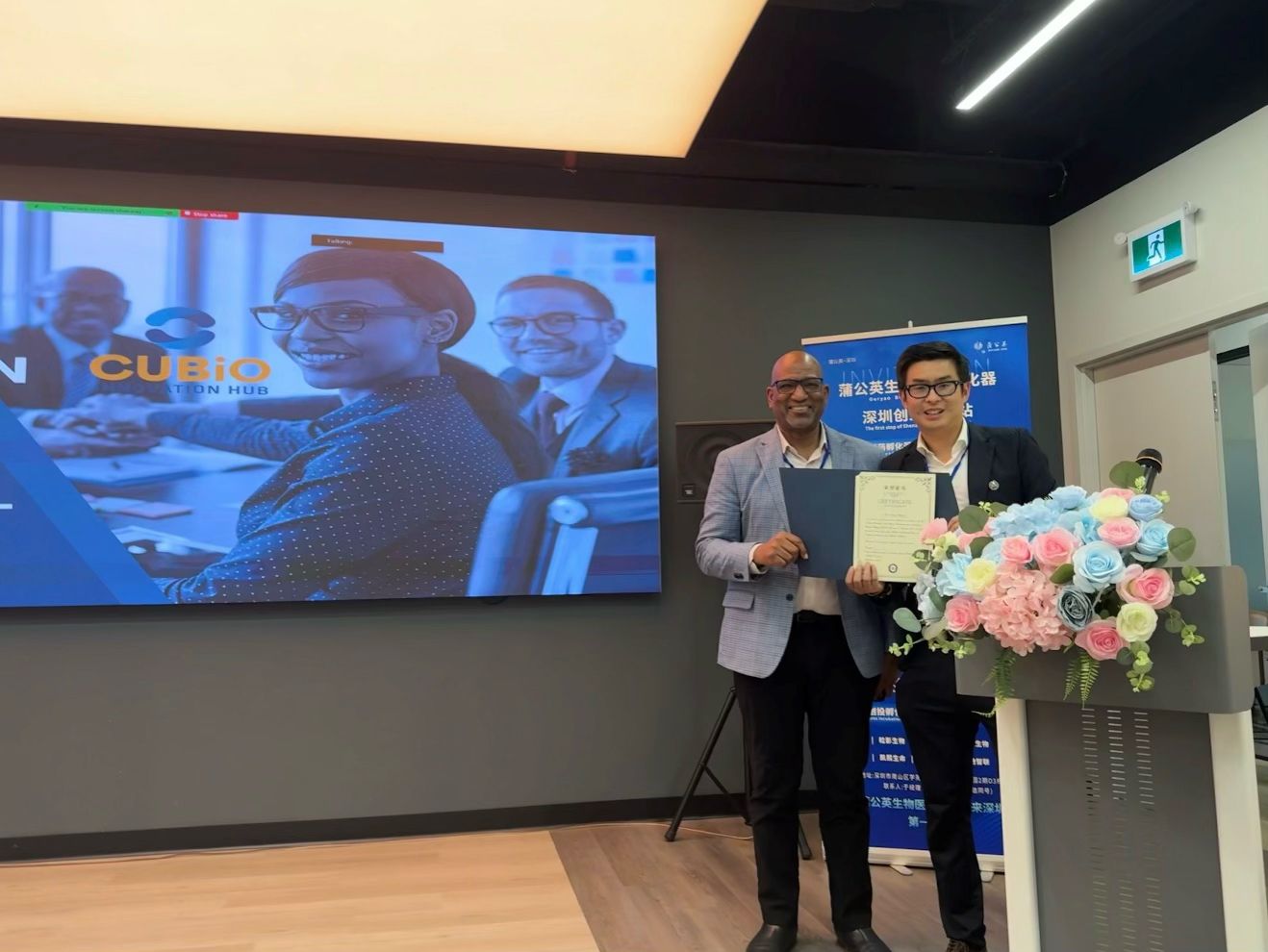
Photo: Mr. Wesley Okeke from Headway Idea Labs in Houston shared deep insights into how startups can achieve rapid market growth. He outlined multidimensional strategies from strategic positioning and early user acquisition to investor communication, offering participants inspiring perspectives and actionable takeaways.
The final panel discussion, Panel III: “From Start-up to Scale-up: Challenges and Opportunities for Young Entrepreneurs”, was moderated by Dr. Baowen Qi. The session brought together young entrepreneur representatives from 02AI, Medical3.AI, LoyEco, and Wuyi University to discuss how to strike a balance between scientific research and business execution, and how to transition from an early-stage startup to a scalable enterprise.
The panel featured four outstanding young innovators:
- Professor Lei Chen (Wuyi University), who earned his Ph.D. from Rutgers University (USA) and has since devoted himself to technology transfer and industrial innovation. He now leads a platform that maintains China’s largest cynomolgus monkey organoid biobank, promoting the application of organoid models in drug development and disease research.
- Ms. Kathy Feng, Founder of LoyEco, introduced her all-in-one online clinic management platform for integrative medicine practitioners. Through tools such as medical record templates, online forms, e-signatures, appointment reminders, and multi-clinic management, LoyEco helps doctors streamline workflows and improve operational efficiency.
- Mr. Zijing Wu, Founder of 02AI, shared his motivation for founding the company—to build an AI-powered research assistant platform for life sciences and bioinformatics. The platform helps scientists transform ideas into actionable insights by supporting end-to-end workflows from data analysis and visualization to automation.
- Ms. Jiaying (Julie) Fu, Founder and CEO of Medical3.AI, presented how her company leverages artificial intelligence to empower medical device marketing, enabling automatic parsing of product information, precise targeting of healthcare contacts, personalized email campaigns, and performance analytics—thus driving intelligent, automated commercialization for medical device companies.
Each panelist shared firsthand experiences and reflections across the stages of research translation, team building, fundraising, and market validation. Collectively, they agreed that the motivation for entrepreneurship stems from a passion for innovation, a mission to solve societal challenges, and a pursuit of self-realization. When asked about their biggest early-stage challenges, they consistently cited limited resources, high market uncertainty, and team alignment as the top three hurdles. To navigate the critical “zero-to-one” phase, they emphasized the need to learn fast, stay resilient, and iterate continuously. On turning technology into market value, all panelists stressed the importance of acquiring the first customer. Whether through academic collaborations, clinical validation, or digital health pilot programs, the key lies in close communication with users—building market trust through transparent data, credible pilot results, and positive reputation even before the product fully matures. In discussing fundraising and scaling, they noted that the biggest challenge lies in convincing investors of long-term commitment and achieving sustainable growth with limited resources. Many young entrepreneurs overlook North America’s abundant incubator and accelerator networks, as well as Asia’s clinical and government support programs. They urged peers to leverage these cross-border innovation ecosystems to pursue global growth. When asked whether youth is an advantage or disadvantage, the consensus was clear: youth mean energy, creativity, and rapid learning ability, the most valuable assets for entrepreneurship. However, they also acknowledged the lack of experience and networks, suggesting that mentorship and strategic partnerships are essential to overcome these gaps. This final discussion, characterized by honesty, pragmatism, and inspiration, brought the conference to a vivid and uplifting conclusion, showcasing the boundless potential of a new generation of innovators at the intersection of AI, biotechnology, and digital health.
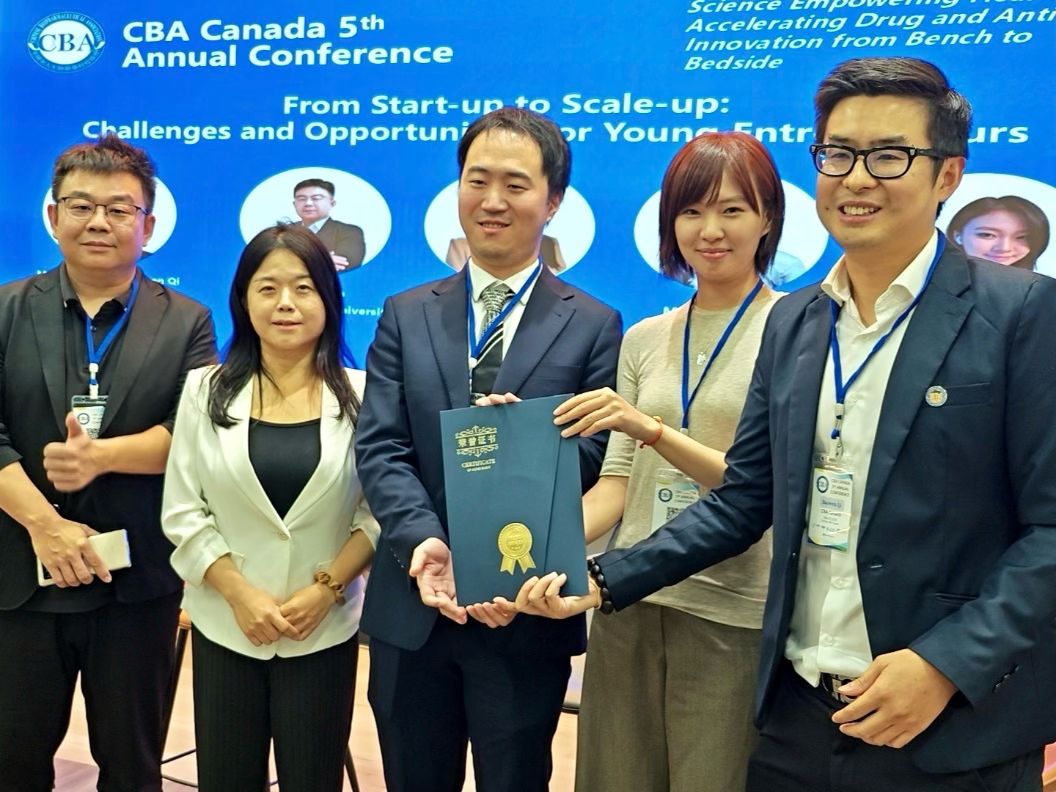
Photo: Panel Discussion III — “From Start-up to Scale-up: Challenges and Opportunities for Young Entrepreneurs”
Grand Finale: A Dual Celebration of Science and Friendship
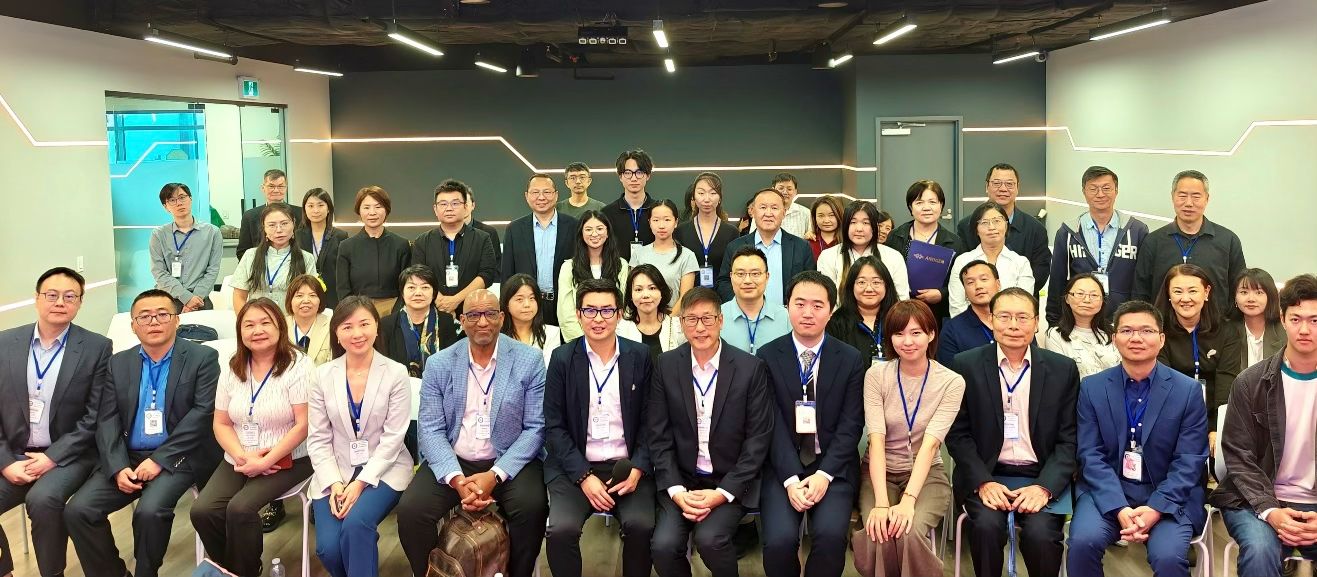
At 5:00 p.m., the conference concluded successfully with an enthusiastic lucky draw and a closing address. During the closing ceremony, Dr. Baowen Qi delivered the final remarks, stating: “CBA-Canada’s goal is not only to host a high-level academic conference, but also to build a cross-border collaboration platform—one that fosters the deep integration of science, capital, and industry, enabling more original discoveries to reach patients worldwide.” Dr. Qi elaborated on Canada’s unique position in the global scientific landscape. Dr. Qi also highlighted the host city of Markham, birthplace of the globally influential tech company ATI Technologies, which was later acquired by AMD for over $5 billion USD. “This represents both the strength of Canadian technological innovation and a reminder of the importance of ensuring that homegrown innovations successfully reach the global stage,” he remarked. In closing, Dr. Qi reaffirmed that CBA-Canada will continue to promote tri-national collaboration among China, the U.S., and Canada, leveraging the industrial capital and market strengths of China and the U.S. alongside Canada’s robust foundation in fundamental research. This synergy, he emphasized, will accelerate scientific translation and industrialization, ensuring that innovation truly benefits global human health. That evening, guests were invited to attend a VIP Gala Dinner at Congee Wong Chinese Cuisine, located in Bayview Hill Center, Richmond Hill. The dinner, symbolically named “The Feast of Longevity,” featured exquisite dishes and fine wine. Amid the warm and relaxed atmosphere, attendees continued to exchange ideas, strengthening both collaboration and friendship beyond the conference hall.
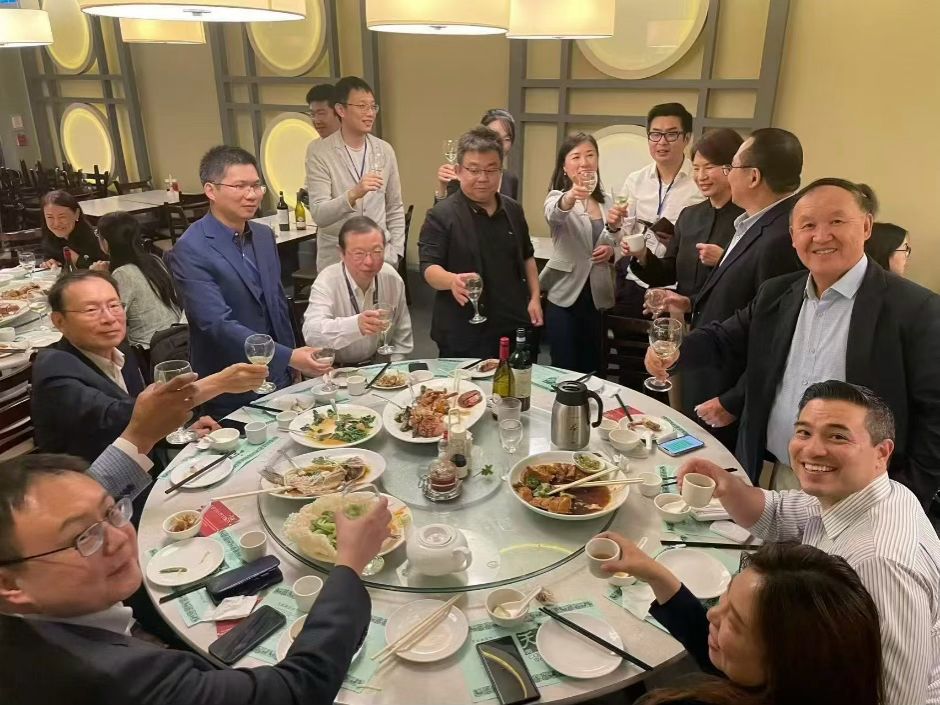
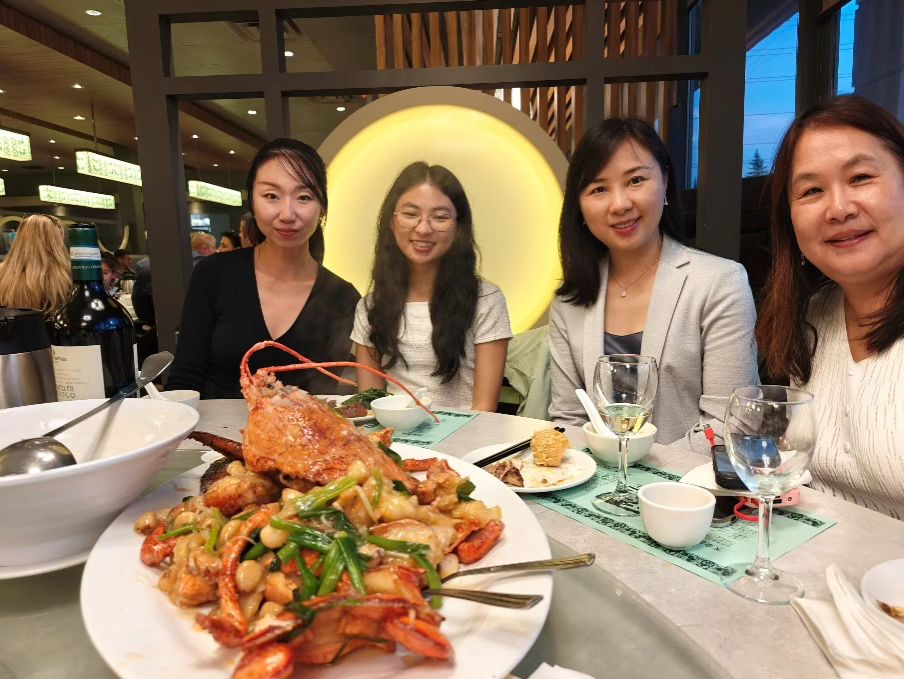
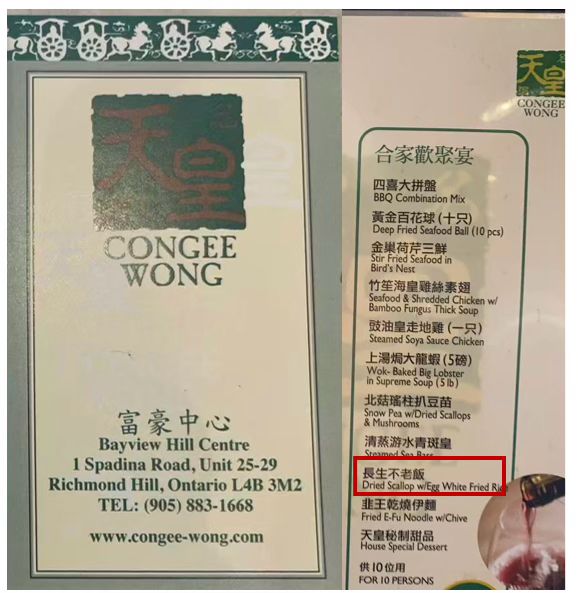
Photo: Distinguished guests attended the VIP Gala Dinner held at Congee Wong Chinese Cuisine, located in Bayview Hill Center, Richmond Hill. The exquisite dishes and fine wines complemented each other beautifully, with a signature course symbolizing the “Feast of Longevity,” representing both health and lasting friendship. In this warm and joyful atmosphere, guests continued their conversations, further strengthening mutual collaboration and friendship.
About CBA-Canada
The Chinese Biopharmaceutical Association – Canada Chapter (CBA-Canada) is a non-profit organization composed of professionals active in the biopharmaceutical, AI, and health technology sectors. Its mission is to promote scientific exchange, industrial collaboration, and talent development among China, Canada, and the United States. Since its establishment in 2019, CBA-Canada has become a key platform for the Chinese biopharmaceutical community in North America, fostering innovation, partnership, and cross-border growth.
Special Acknowledgment: Gratitude to Our Five Major Sponsors
The success of this annual conference would not have been possible without the generous support of our sponsors. CBA-Canada extends its heartfelt appreciation to Anogen, Cubio, Kyinno, Ouryao, and Sino Biological for their unwavering sponsorship and continued partnership. These organizations are not only vital collaborators of this conference but also indispensable forces in the global biopharmaceutical value chain.
Anogen – W.X. LifeAntibody Solution Ltd.
Headquartered in Canada, Anogen specializes in the research, development, and production of antibodies and diagnostic reagents, dedicated to providing high-quality immunological products for scientific and clinical use. Its business covers monoclonal and polyclonal antibodies, as well as immunodiagnostic kits (ELISA), earning a strong reputation in the global research and medical diagnostics markets.
As a representative local enterprise, Anogen’s participation in this conference reflects the strength and leadership of Canadian innovation in the life sciences sector.

CuBio Innovation Center
Headquartered in Shanghai, China, with multiple branches across North America, CuBio is an innovation platform dedicated to global cross-border incubation and acceleration, helping startups achieve growth from “zero to one.” Its services span project incubation, investment matchmaking, and international market entry, making it a vital bridge between China’s innovation ecosystem and the North American market. At this year’s annual conference, CuBio’s participation brought fresh momentum to China–Canada collaboration in innovation and entrepreneurship.

Kyinno Biotechnology
Kyinno Biotechnology is a high-tech enterprise specializing in innovative biopharmaceutical R&D and industrialization services, with a focus on the development and application of antibody therapeutics, diagnostic reagents, and cutting-edge biotechnologies. Leveraging its robust R&D platform and international research team, the company provides comprehensive, one-stop solutions encompassing monoclonal antibody development, protein expression and purification, cell line construction, in vitro functional validation, and CRO services. With deep expertise in antibody engineering and molecular biology, Kyinno Biotechnology has successfully delivered customized R&D services to numerous domestic and international pharmaceutical companies and research institutions, accelerating drug discovery and clinical translation for its partners. The company places strong emphasis on industry–academia collaboration, maintaining close partnerships with leading universities and research institutes to facilitate the transformation of cutting-edge scientific achievements into industrial applications.
Ouryao(The Dandelion Pharmaceutical Technology Forum)
Ouryao Forum is a technical service platform dedicated to promoting the green and intelligent transformation of the pharmaceutical industry. Its mission is to build a comprehensive pharmaceutical technology ecosystem that integrates knowledge dissemination, practical exchange, and resource sharing through organizing technical summits, conducting professional training, fostering industry–academia–research collaboration, and offering policy interpretation and talent development services. Managed by a team of industry experts, the platform provides pharmaceutical professionals with an open hub for technical exchange, skill enhancement, and resource integration through online interactions, specialized courses, and strategic partnerships.

Sino Biological Inc.(sz301047)
As a global leader in biological reagents, Sino Biological is headquartered in Beijing with branches in the United States and Europe. The company operates world-class antibody and protein production platforms, serving tens of thousands of research institutions and pharmaceutical companies worldwide with high-quality products and technical services. Its business spans recombinant protein production, antibody development, and CRO services, with internationally leading expertise particularly in the fields of antibody and vaccine research. As a major sponsor of this year’s annual conference, Sino Biological’s participation not only reflects its global strategic presence, but also provides strong industrial support that contributed significantly to the success of the event.

Partners
CBA-Canada is inviting partners and sponsors for the 2025–2026 term.
We sincerely welcome outstanding enterprises and organizations from around the world that are dedicated to advancing innovation in the biopharmaceutical industries of China, the United States, and Canada to join us. Together, we can showcase high-quality projects, products, and services, while enhancing brand visibility through this influential platform. Sponsorship opportunities for the upcoming annual conference are available at three tiers — Diamond, Platinum, and Gold — each offering a premium benefits package tailored to maximize exposure and engagement.
If you are interested in becoming a CBA-Canada sponsor, strategic partner, or joining our volunteer team, please contact Dr. Baowen Qi, President of CBA-Canada, at baowen.qi@cba-usa.org for more information.