2026 CBA 31st Annual Conference: Post-Conference Report

2026 CBA 31st Annual Conference: Post-Conference Report

2026 CBA 31st Annual Conference: Post-Conference Report

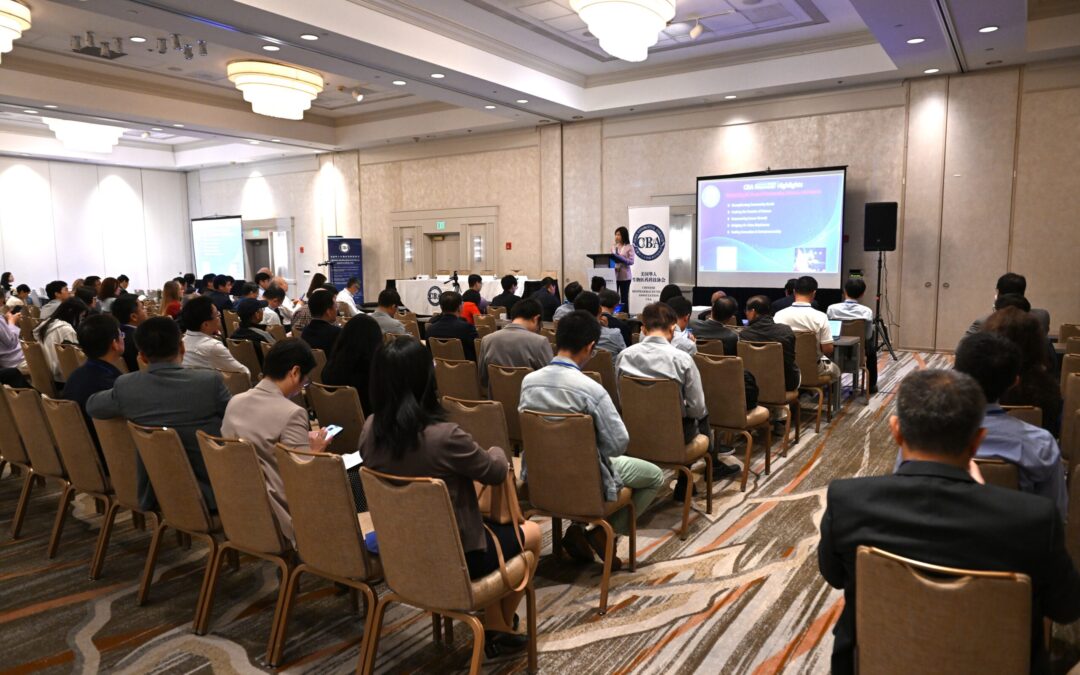
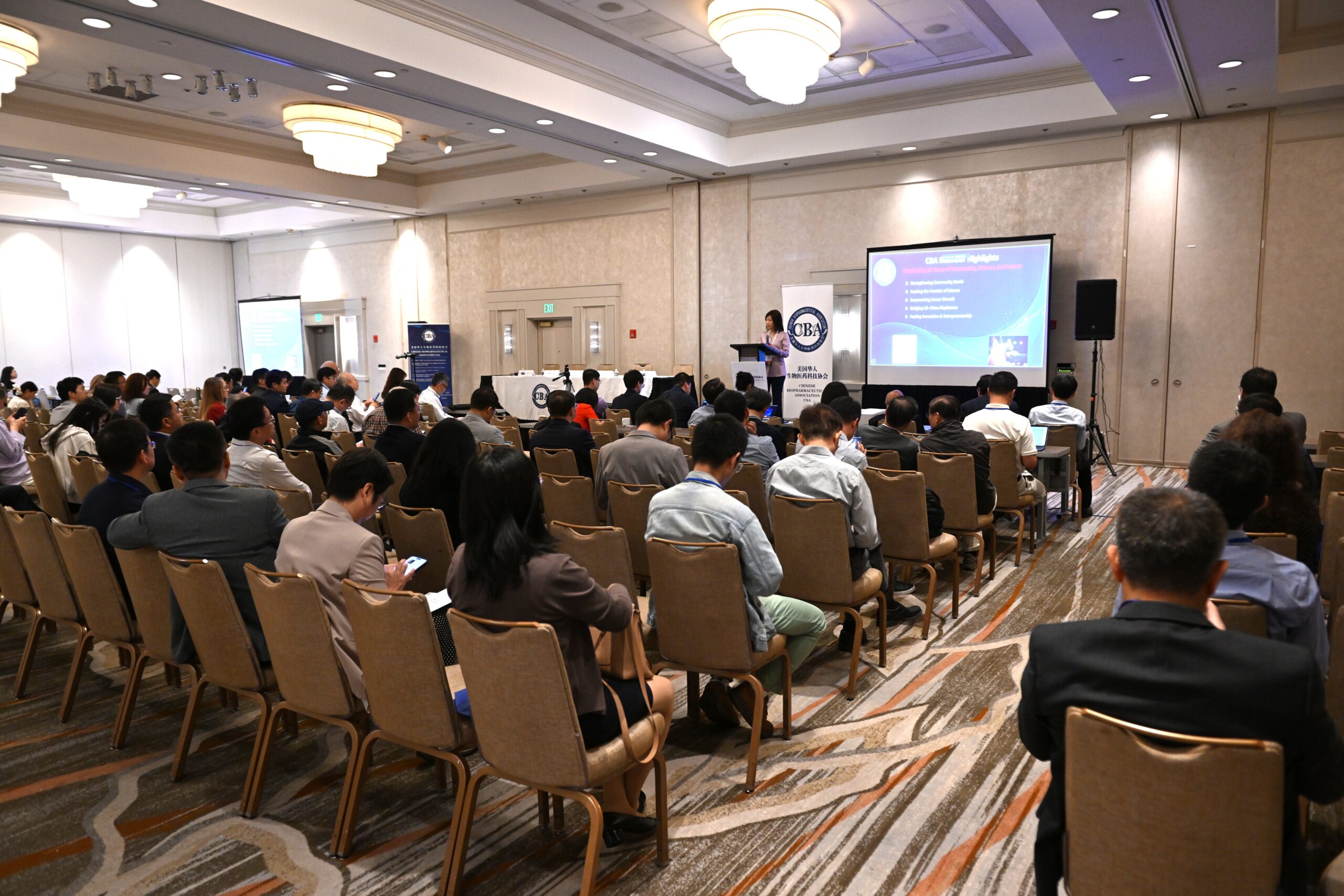
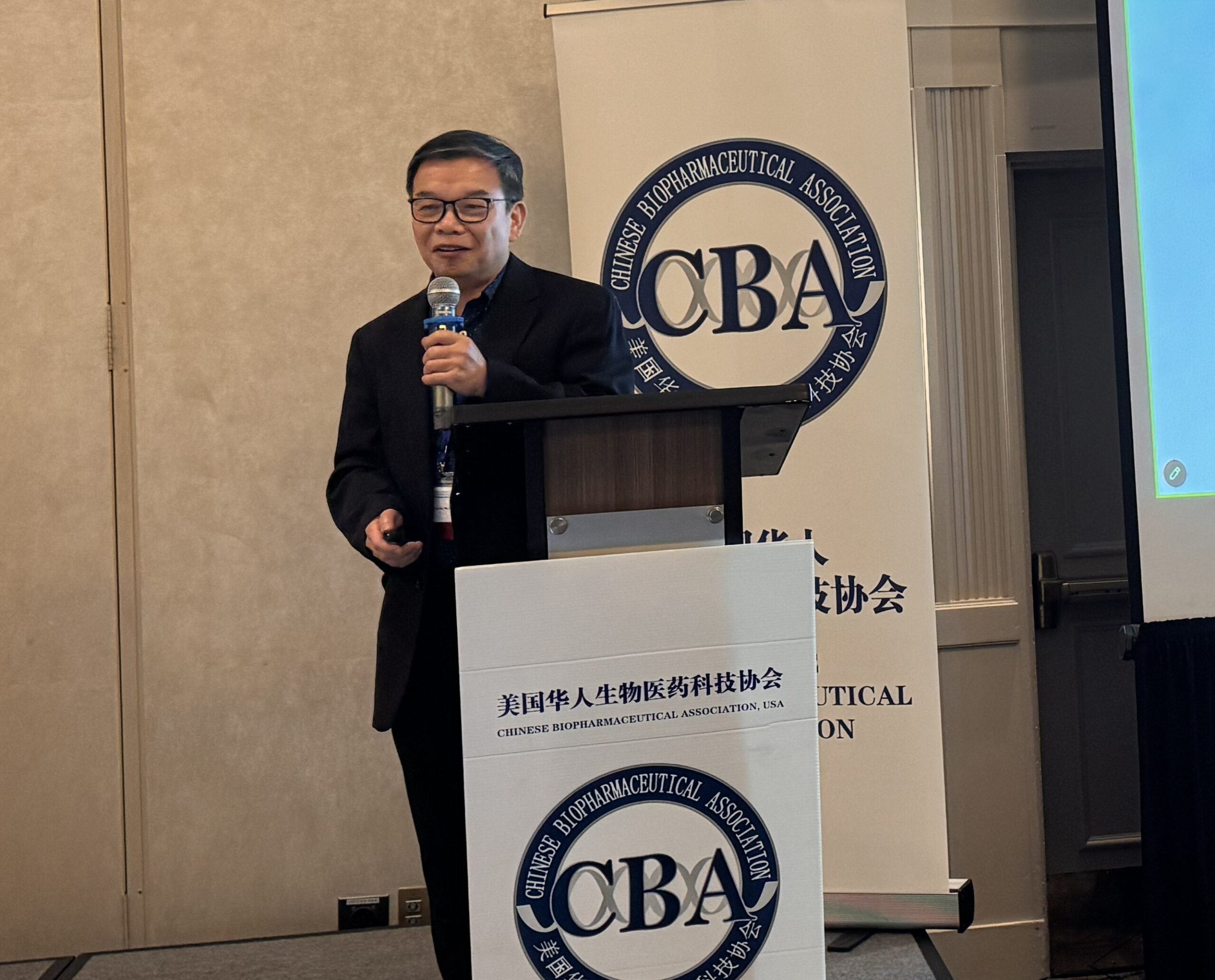
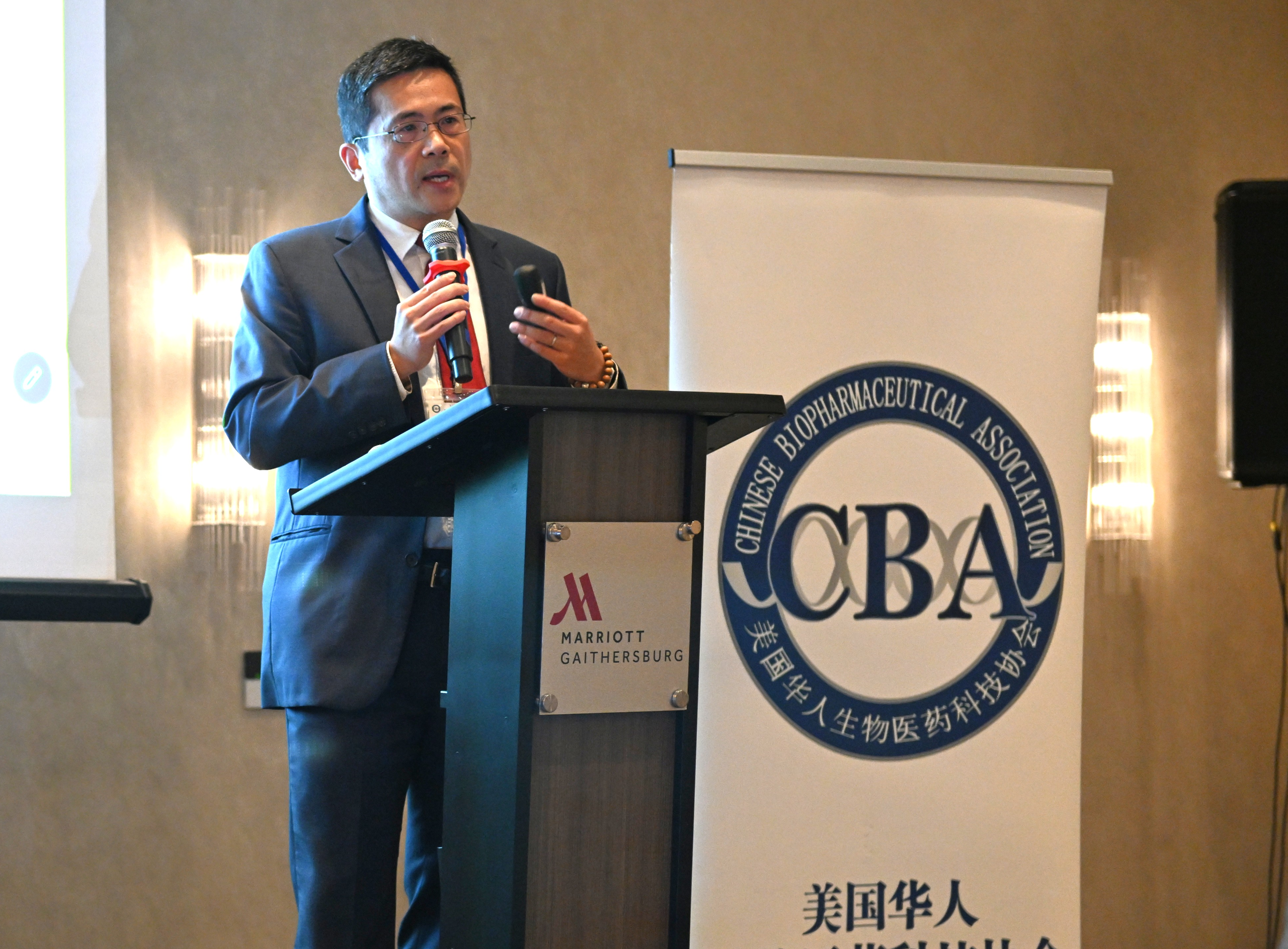
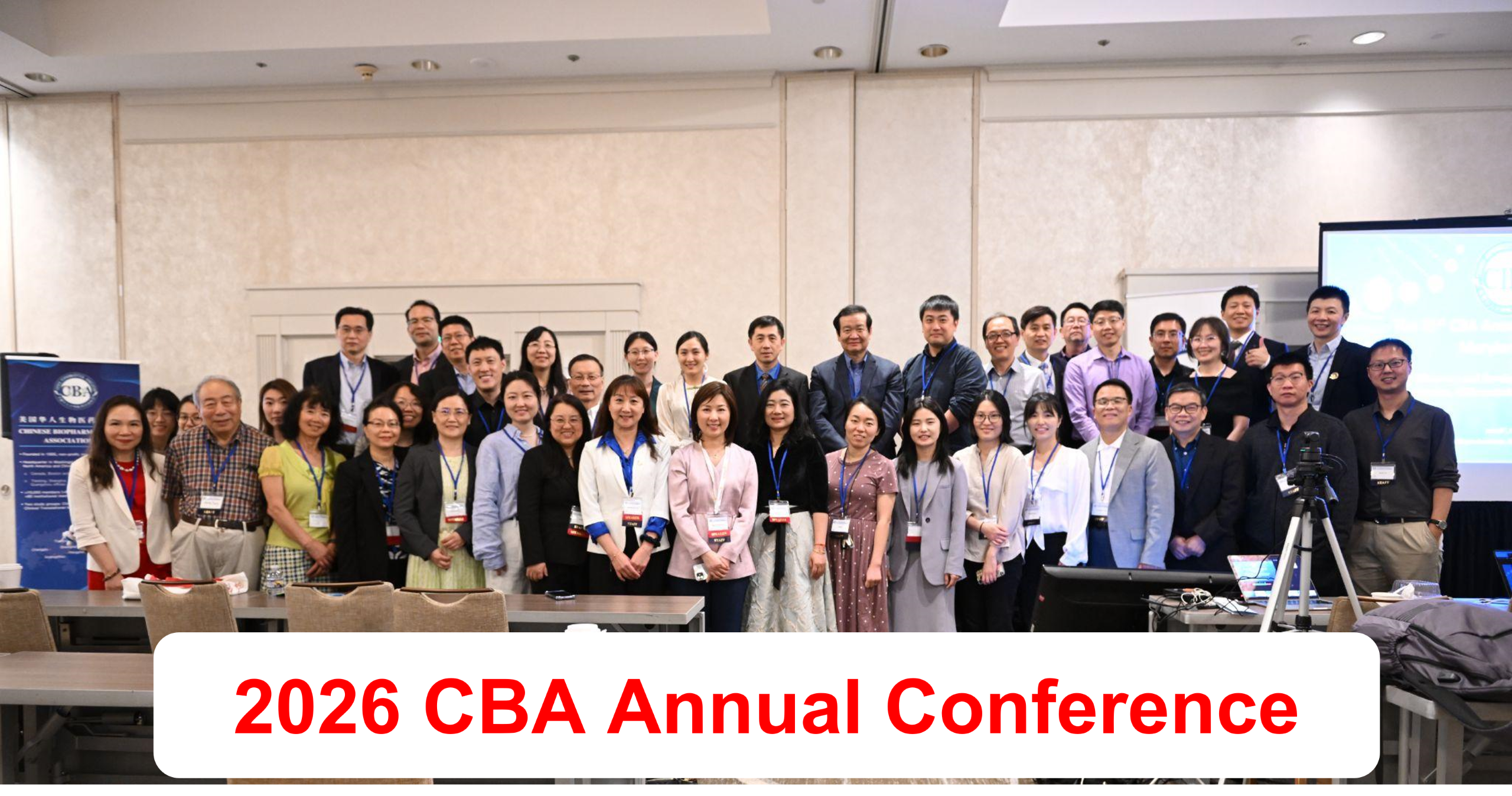
  On June 6, 2026, the 31st Annual Conference of the CBA (Chinese Biopharmaceutical Association) was successfully held in Maryland. Under the theme “Drug Discovery and Development in the Era of AI: Innovation, Differentiation and Globalization,” the conference brought together numerous experts and scholars from regulatory agencies, academia, the pharmaceutical industry, and investment fields, including the FDA, NIH, Yale University, Harvard Medical School, Johns Hopkins University, AstraZeneca, Eli Lilly, Gilead, ArriVent, and Hansoh Pharma. Together, they explored new opportunities, challenges, and global development trends in drug discovery and development within the era of artificial intelligence

  The conference facilitated in-depth exchanges on hot topics such as AI-driven drug R&D, clinical trial design, precision medicine, treatments for metabolic diseases, ADC development, CMC strategies, and biopharmaceutical cooperation. Through keynote speeches, roundtables, sponsor showcases, Lakeside Roundtable Discussions, and academic poster sessions, attendees shared cutting-edge scientific achievements, industry insights, and practical experiences. These discussions fully demonstrated how AI is accelerating biopharmaceutical innovation, driving industrial transformation and upgrading, and promoting global scientific collaboration and technological integration

Participating experts generally agreed that future competition will stem not only from technology itself but also from how efficiently AI can be utilized to empower scientific research, clinical development, and business decisions. Innovation, Differentiation, and Globalization have become the core drivers advancing next-generation biopharmaceuticals. This conference not only brought forward-thinking ideas and innovative perspectives to the industry but also established a high-quality platform for industrial cooperation, career development, and international exchanges.

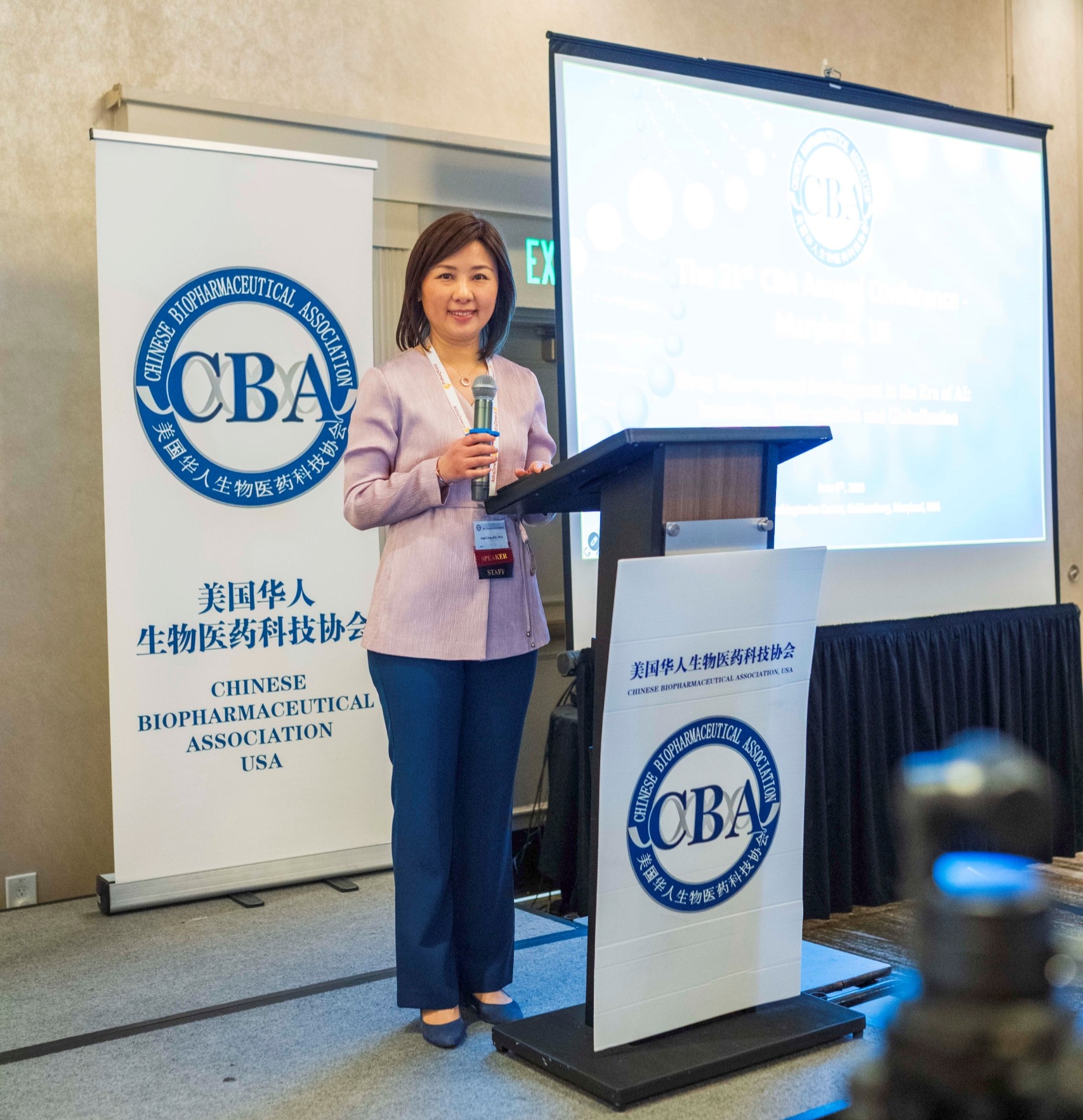
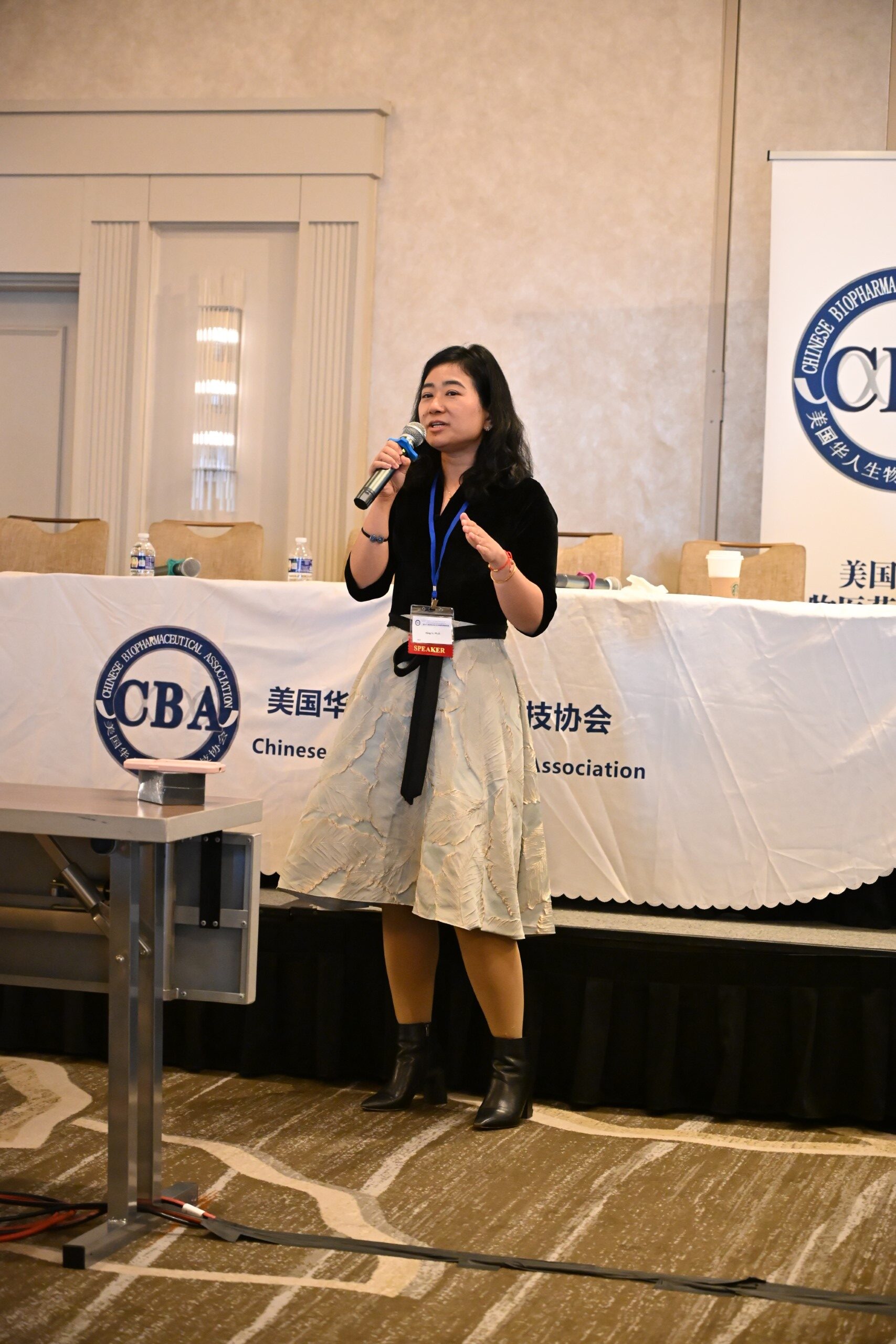
                                  Dr. Angela Zeng, President of CBA and Global Clinical Lead at AstraZeneca

Opening Remarks

  Embracing the AI Era and Strengthening Community Bonding。

At the start of the conference, CBA President Dr. Angela Zeng (Global Clinical Lead at AstraZeneca) delivered a warm and enthusiastic opening speech to kick off the annual meeting. She reviewed the CBA’s 31-year journey since its founding in 1995, detailing its growth from a professional organization launched by a few industry pioneers into an important industry platform boasting over 10,000 individual members and more than 100 institutional members.

Dr. Zeng emphasized that the CBA has always adhered to its three core missions: “Science Centric, Career Development Focused, and Community Bonding.” Over the past year, the association has held traditional career development forums, innovation and entrepreneurship competitions, and scientific symposia. It also innovatively launched a series of activities—such as CFI forward insights and quarterly reviews of industry hot topics—alongside large-scale annual conferences in both China and the US, continuously fostering industry exchange and talent growth. She specifically pointed out that AI is reshaping the entire biopharmaceutical industry chain. From drug discovery and precision medicine to regulatory decision-making, AI has become a vital driving force for industry progression. Dr. Zeng shared the most memorable quote of the event: “In the future, humans will not compete with AI; rather, humans who use AI well will compete with those who do not.” She encouraged all industry practitioners to actively embrace technological changes, continuously improve their capabilities, and create greater value in the AI era.


Session 1: The Innovation and Novelty in Drug Discovery, Development, and Regulation

As the conference’s first specialized forum, Session 1 focused on innovation and novelty across drug discovery, development, and regulation, and was co-chaired by Dr. Angela Zeng and Dr. Angela Men.

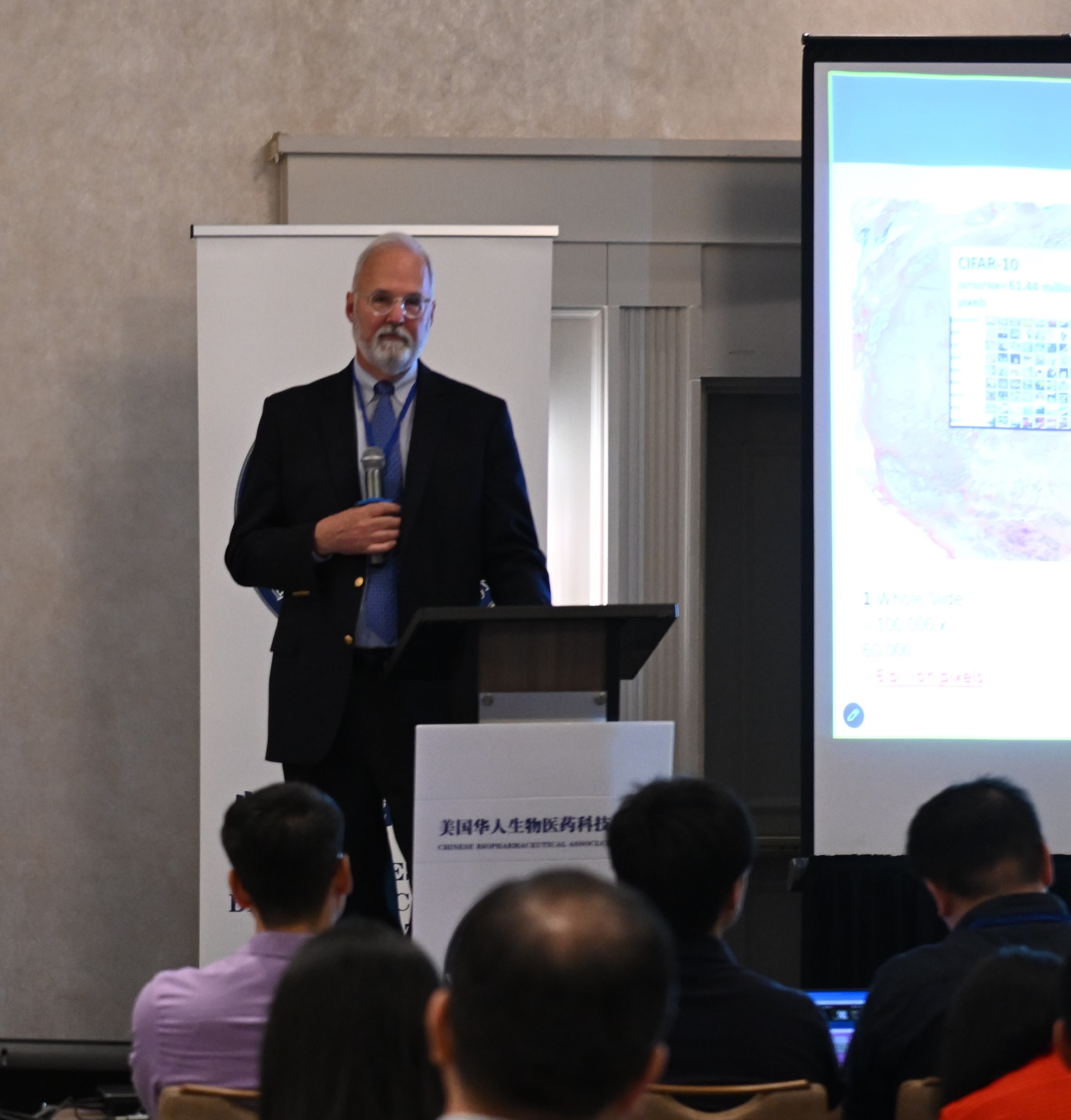
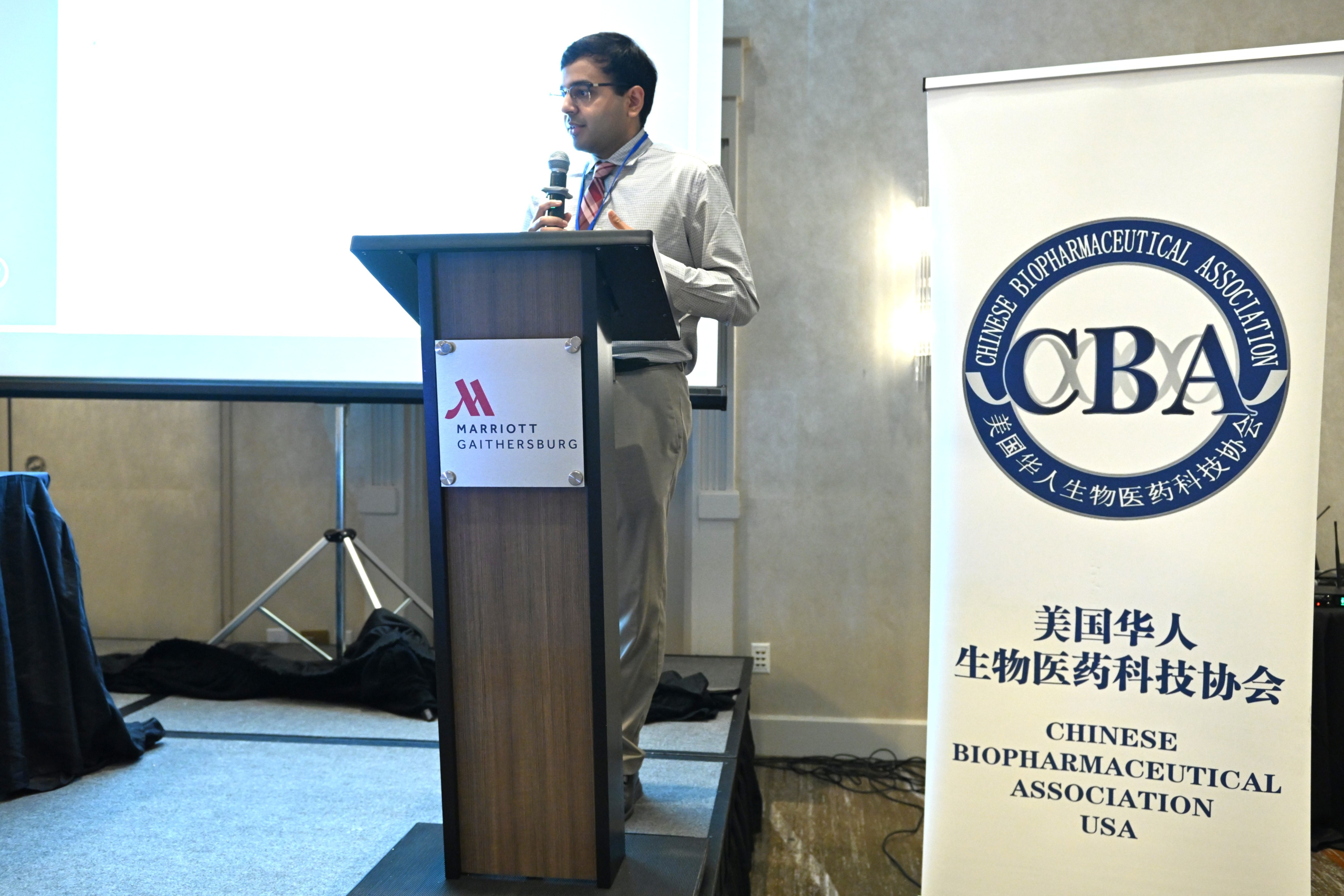
  Dr. David Klimstra 

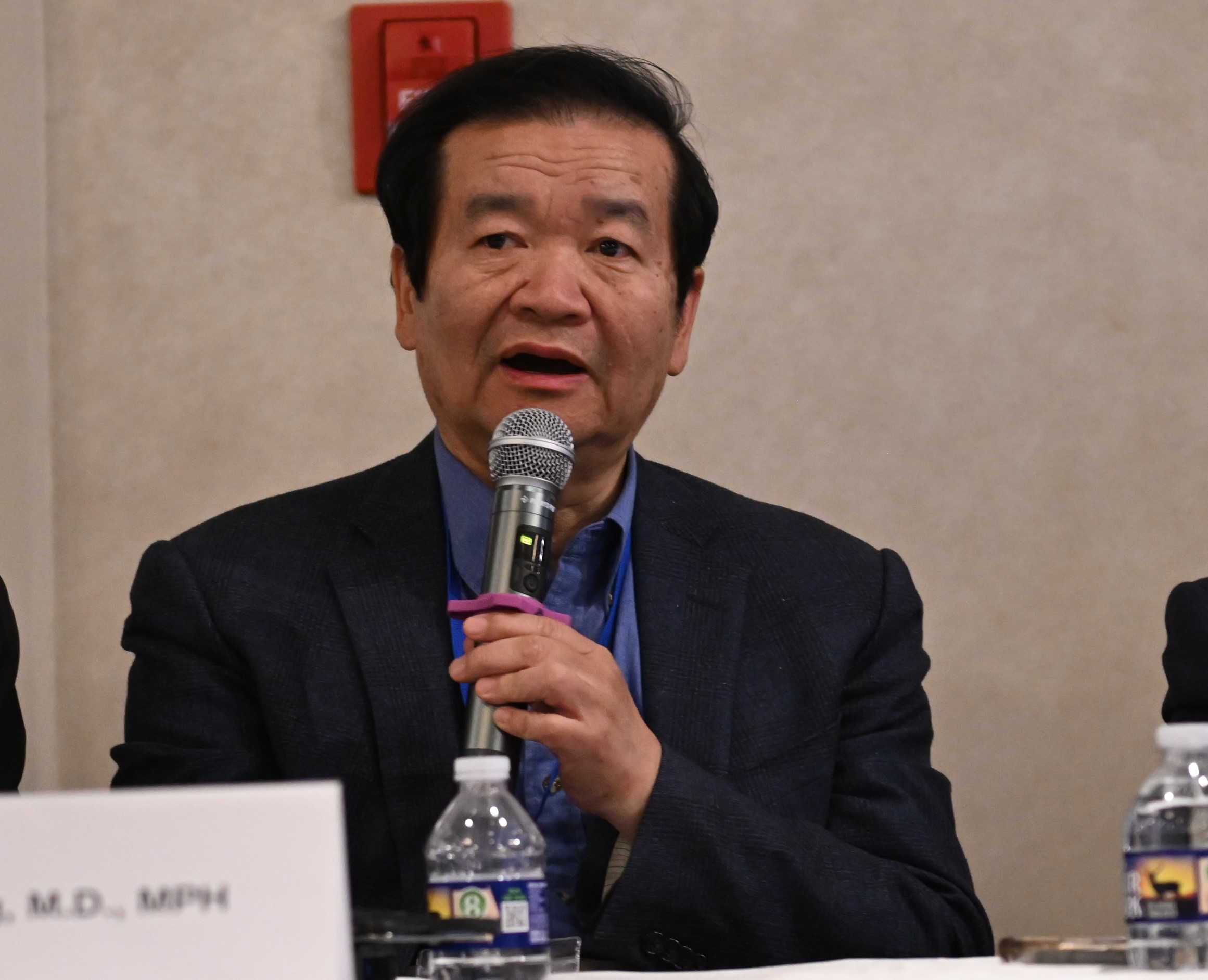
  • Dr. David Klimstra (Professor of Pathology at Yale University School of Medicine and Co-founder of Paige.AI) systematically introduced the evolution of AI pathology. He highlighted how Weakly Supervised Learning (MIL) utilizes pathology report labels to train models to identify disease characteristics from massive digital pathology images. Studies show that AI-assisted diagnosis can significantly improve accuracy for pathologists and reduce misdiagnoses. Attendees further discussed the future application prospects of AI in tumor grading standardization and liquid biopsy.
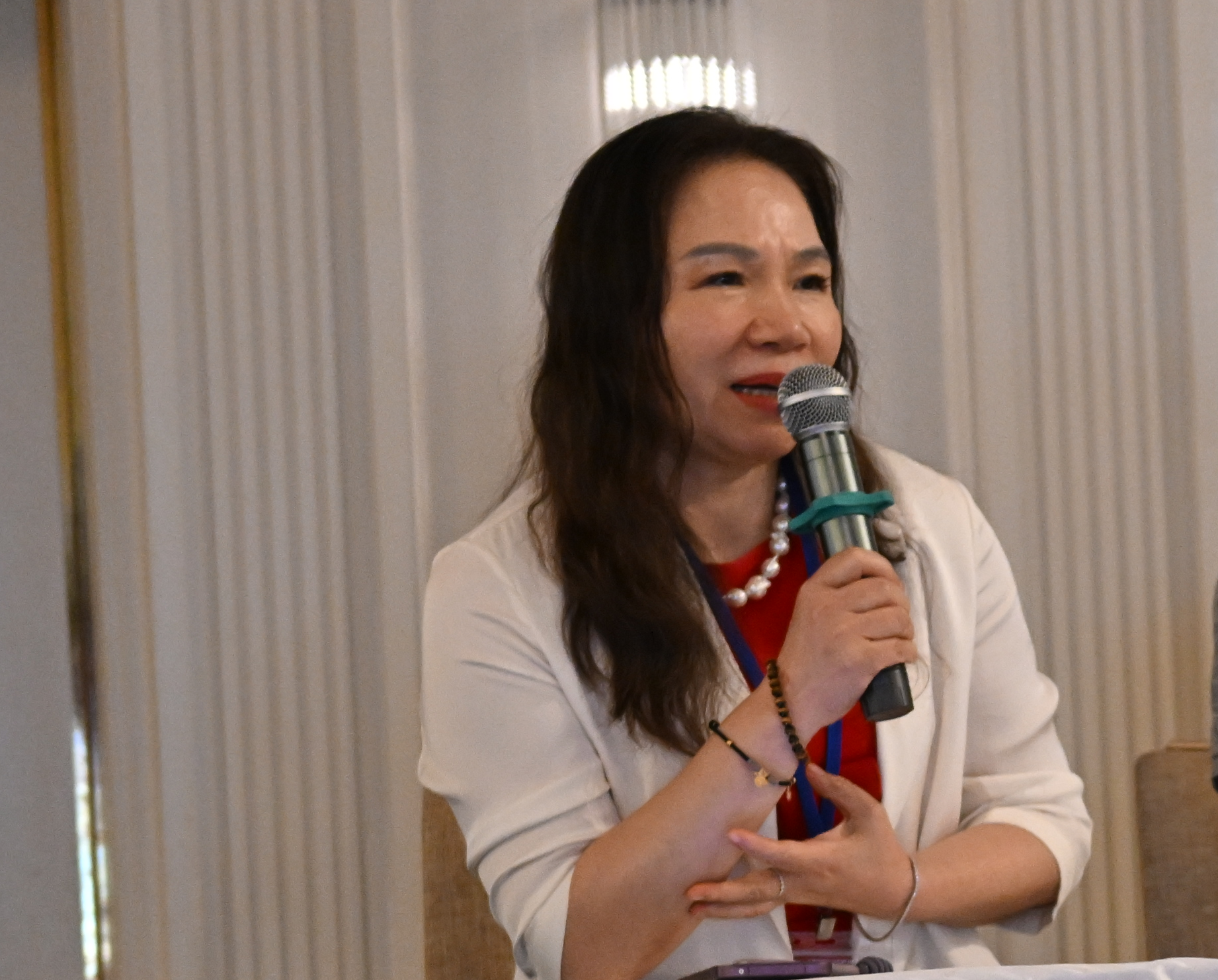
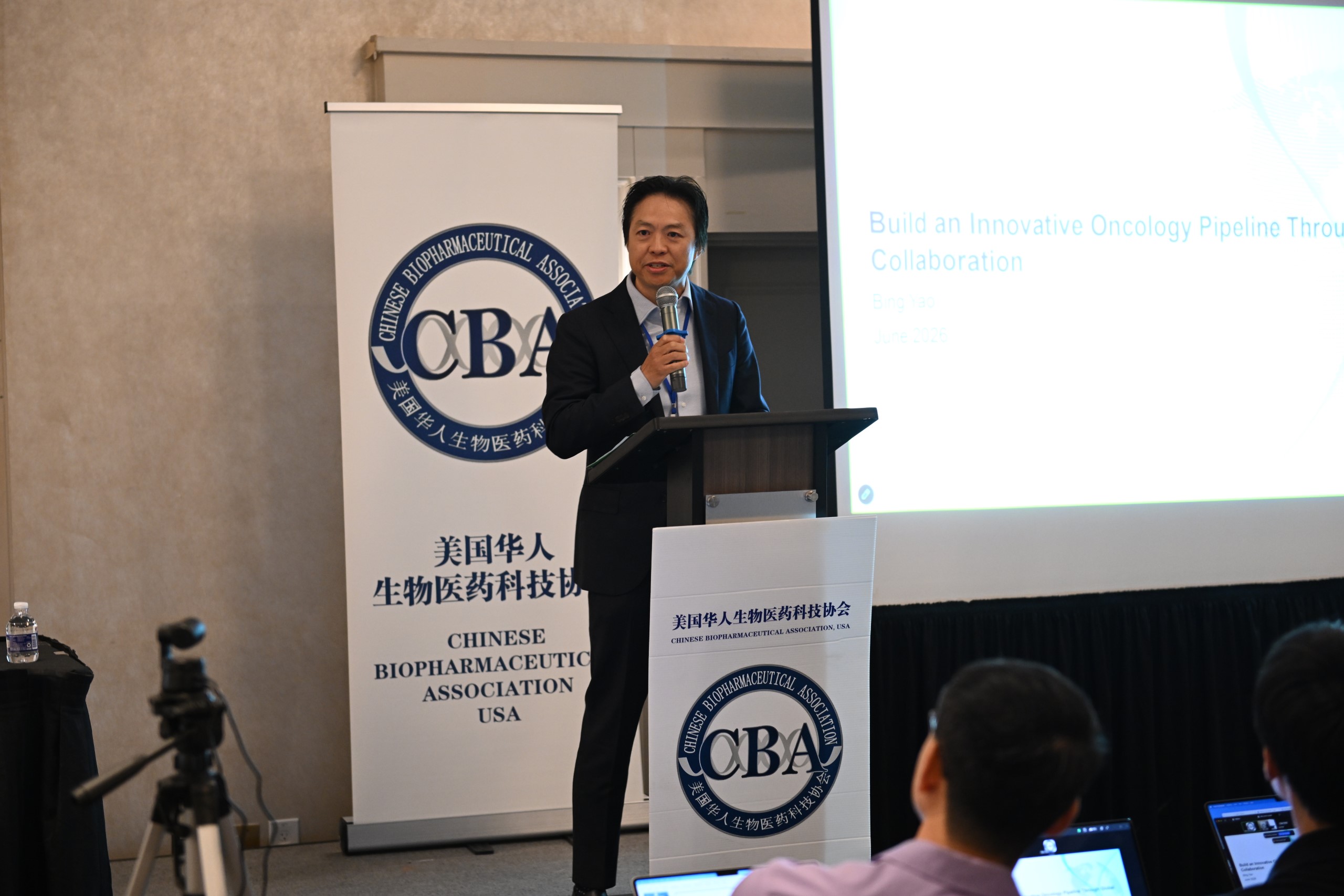
  Dr. Bing Yao  

  • Dr. Bing Yao (a renowned serial entrepreneur in the pharmaceutical industry and CEO of ArriVent Biopharma) shared his company’s innovative model of “Global Discovery, Global Development, Global Benefit.” He introduced development strategies for key projects including Furmonertinib, ARR-217, and ARR-002, emphasizing the vital role of cross-disciplinary development capabilities and capital support as Chinese innovative drugs enter global markets

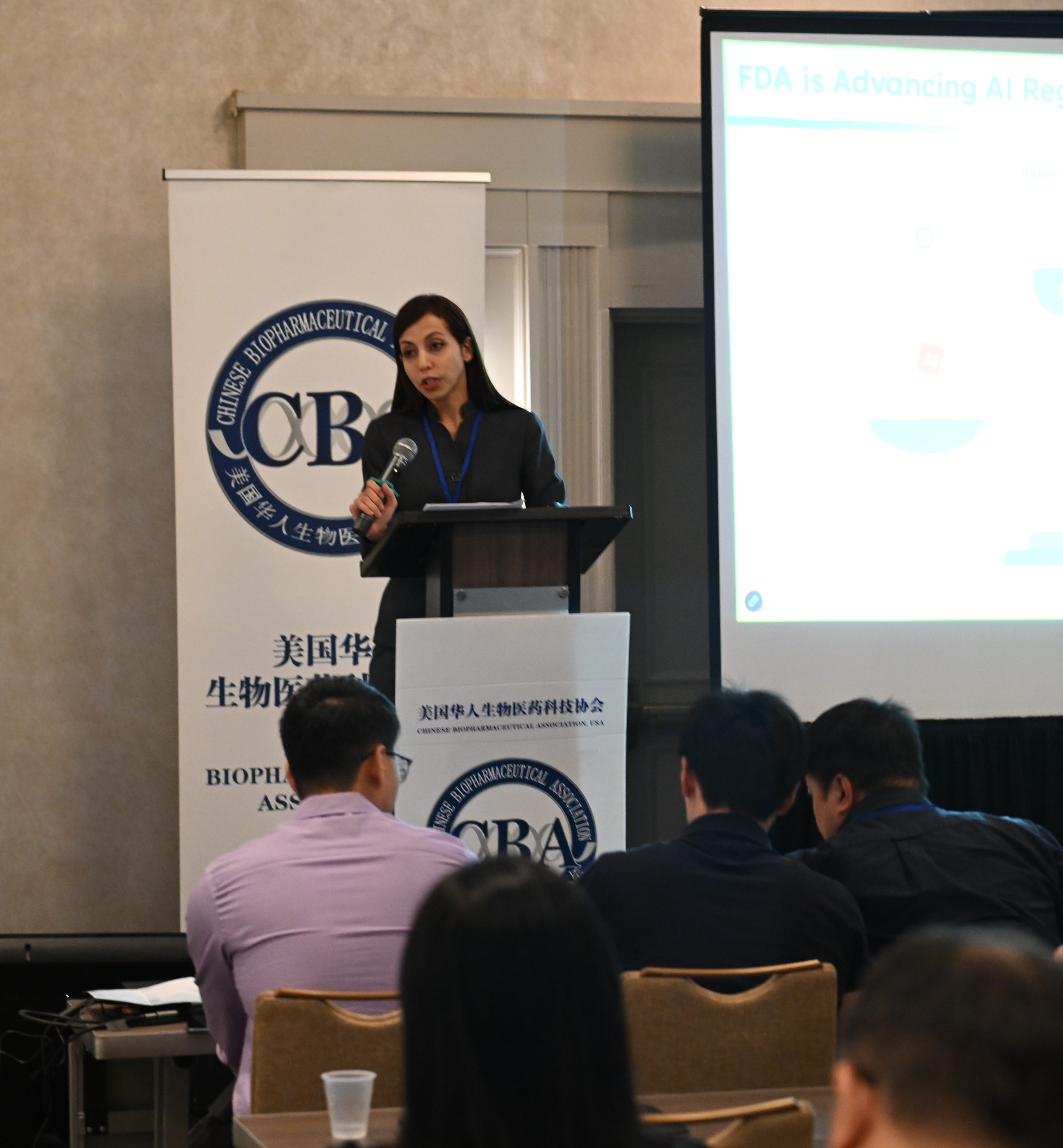
  Dr. Sarah Ibrahim  

  • Dr. Sarah Ibrahim (Acting Deputy Director for Regulatory Programs at FDA CDER) introduced the FDA’s practical experience in establishing an AI regulatory framework from the perspective of regulatory science. She broke down the 2025 AI Credibility Assessment Framework, emphasizing that regulatory decisions should be risk-based and reaffirming the principle that “the final decision-maker is always human.”

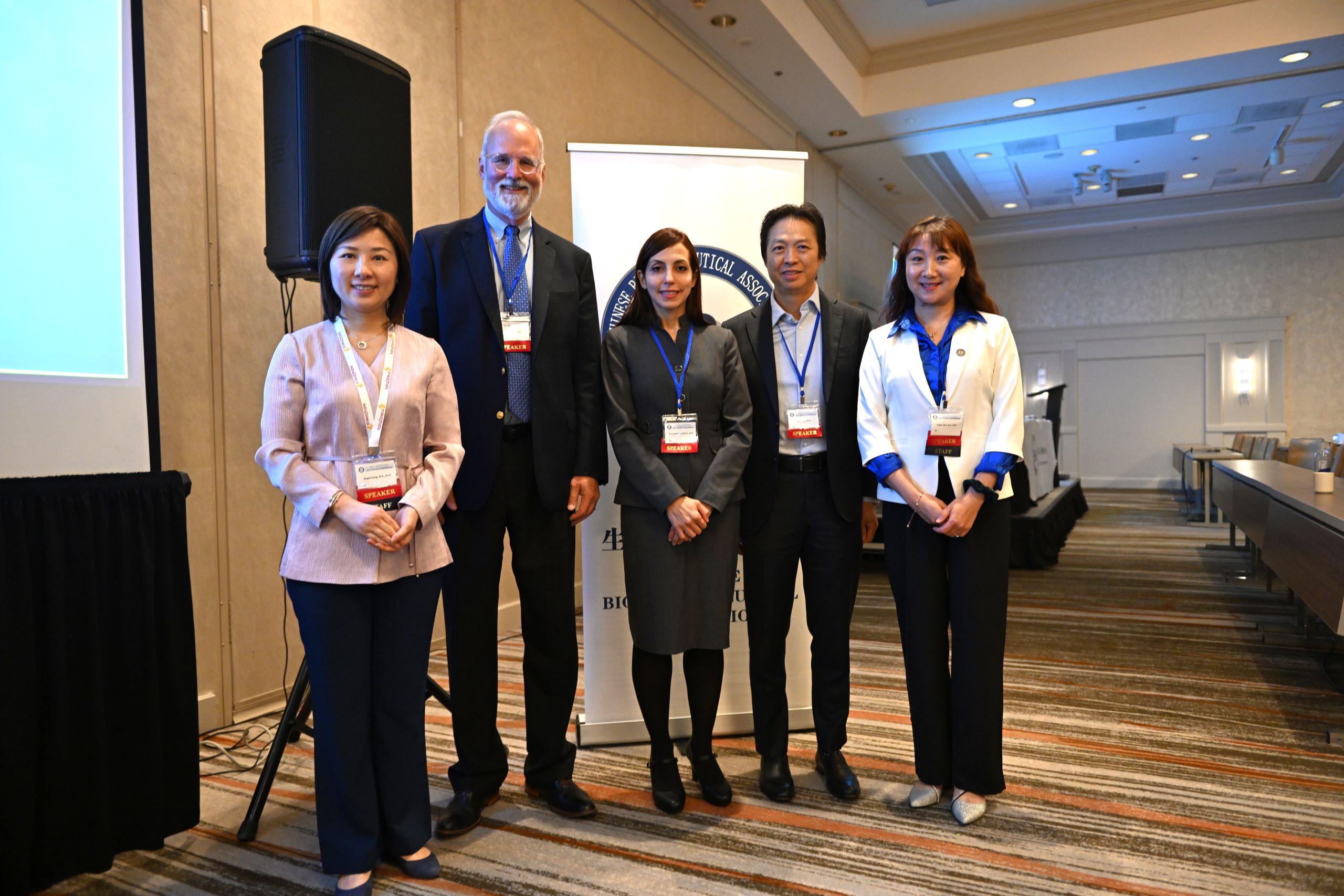
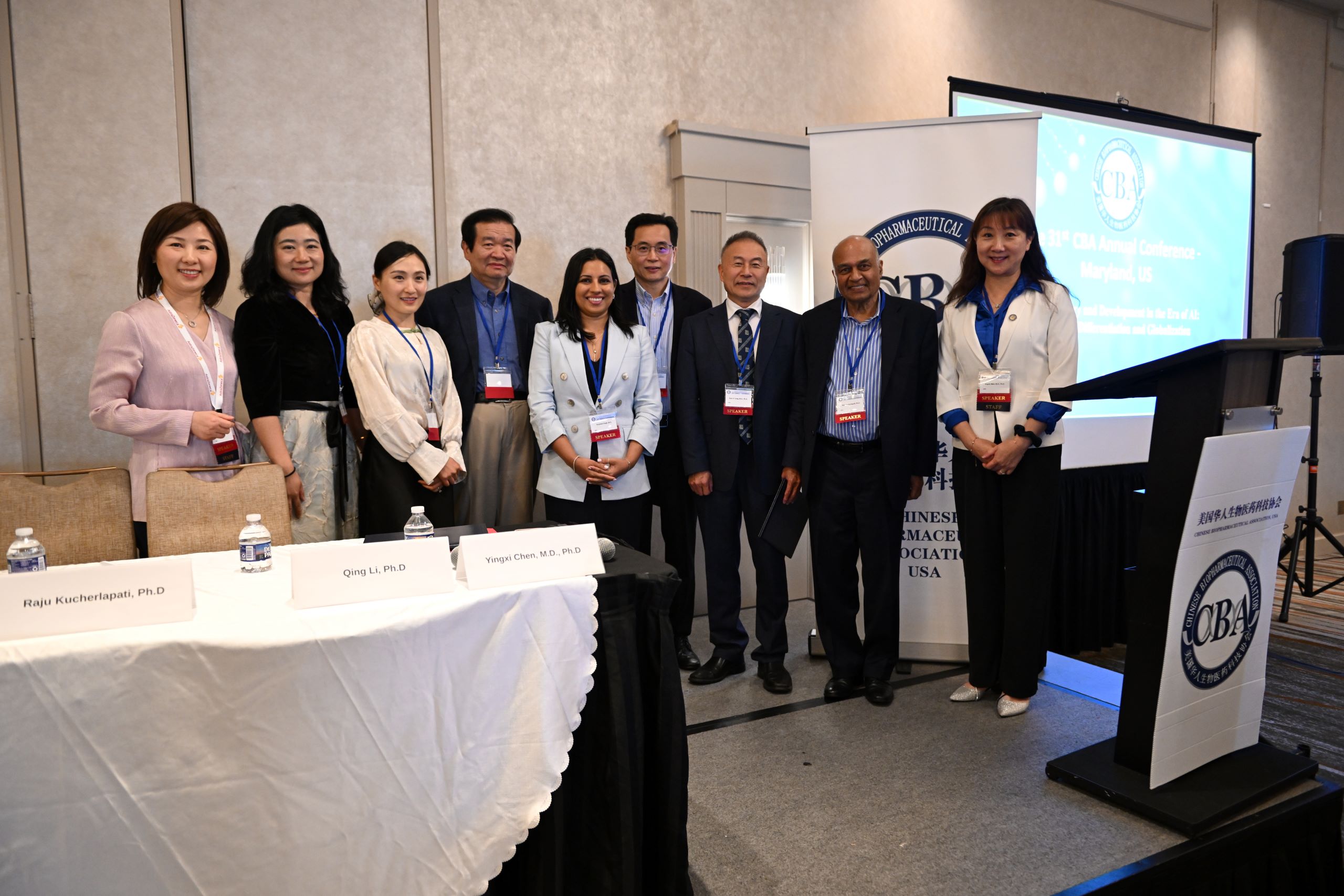
Group Photo of the Session 1 Speakers

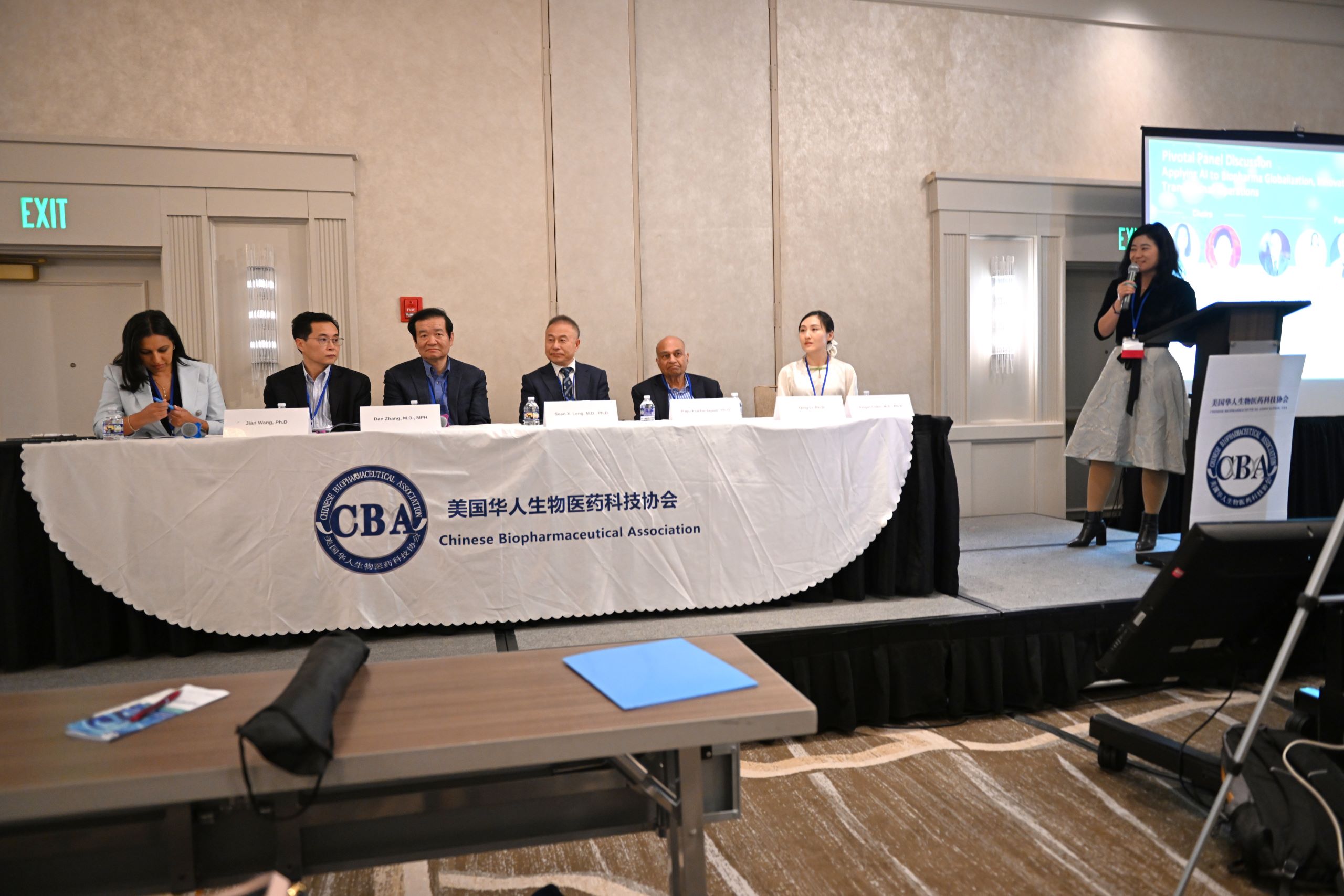
Session 2: Applying AI to Biopharma: Globalization, Innovation, and Translational Operation

This session featured a roundtable discussion on the global application of AI in biopharmaceuticals, co-chaired by Dr. Qing Li and Dr. Yingxi Chen.

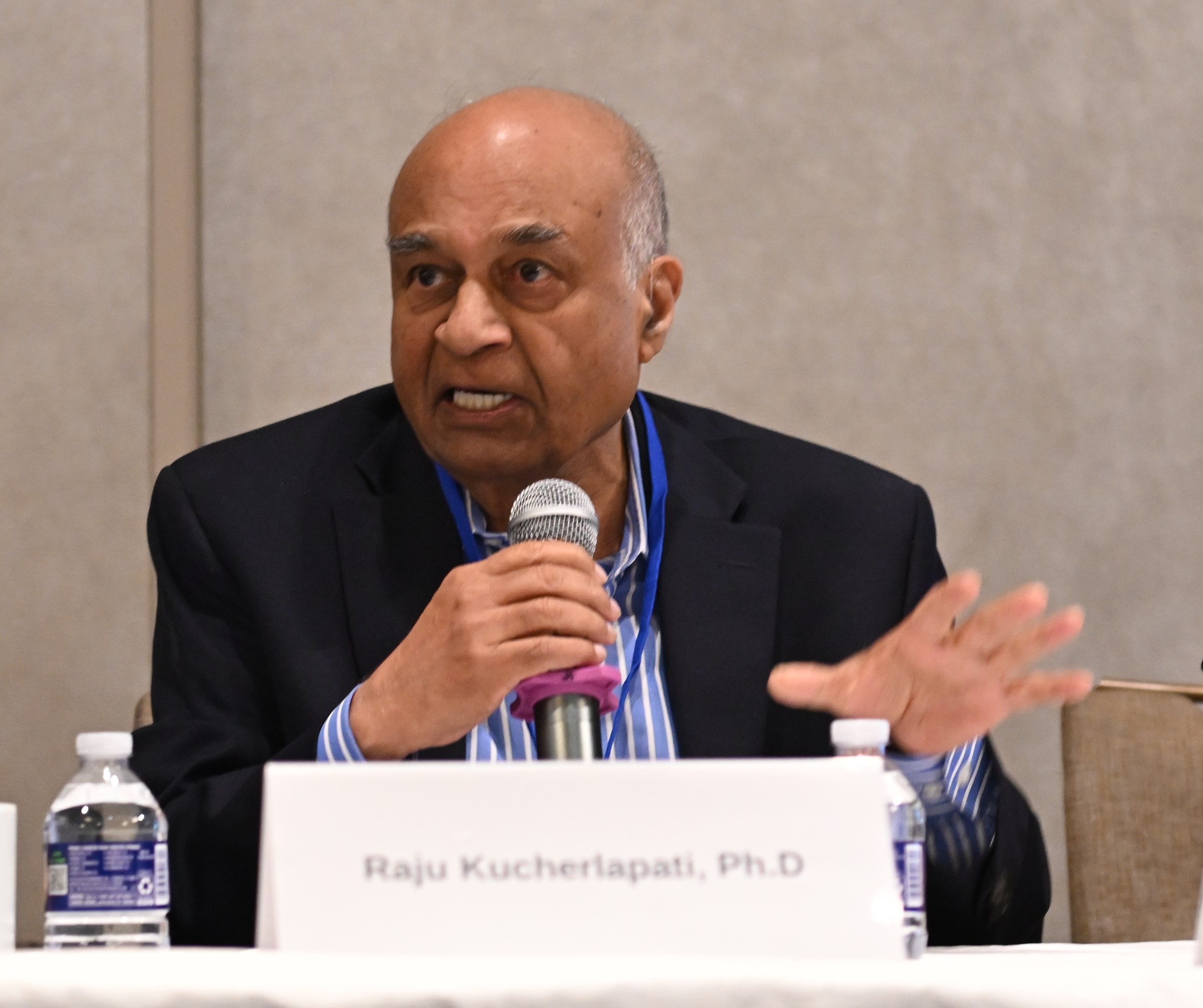
  • Dr. Raju Kucherlapati (Paul C. Cabot Professor of Genetics and Medicine at Harvard University Medical School) focused on the application of AI in disease risk prediction and precision medicine. He presented research findings on using electronic medical records to predict pancreatic cancer risk, pointing out that future individualized treatments will rely heavily on the deep integration of clinical data, genomic data, and real-world data.
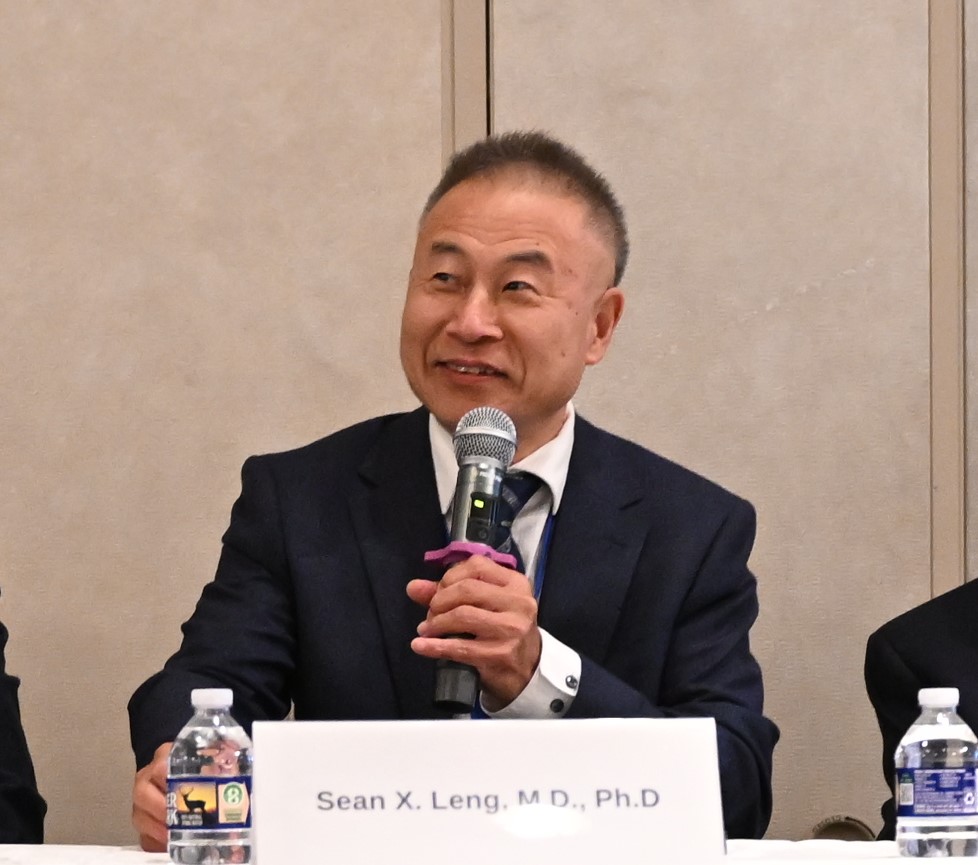
  • Dr. Sean Leng (Professor of Medicine at Johns Hopkins University) approached the topic from the angle of healthy aging, proposing that AI can not only accelerate drug discovery but, more importantly, help humans extend their health span. He believes that building a population database covering the entire life cycle will be a crucial direction for future research.
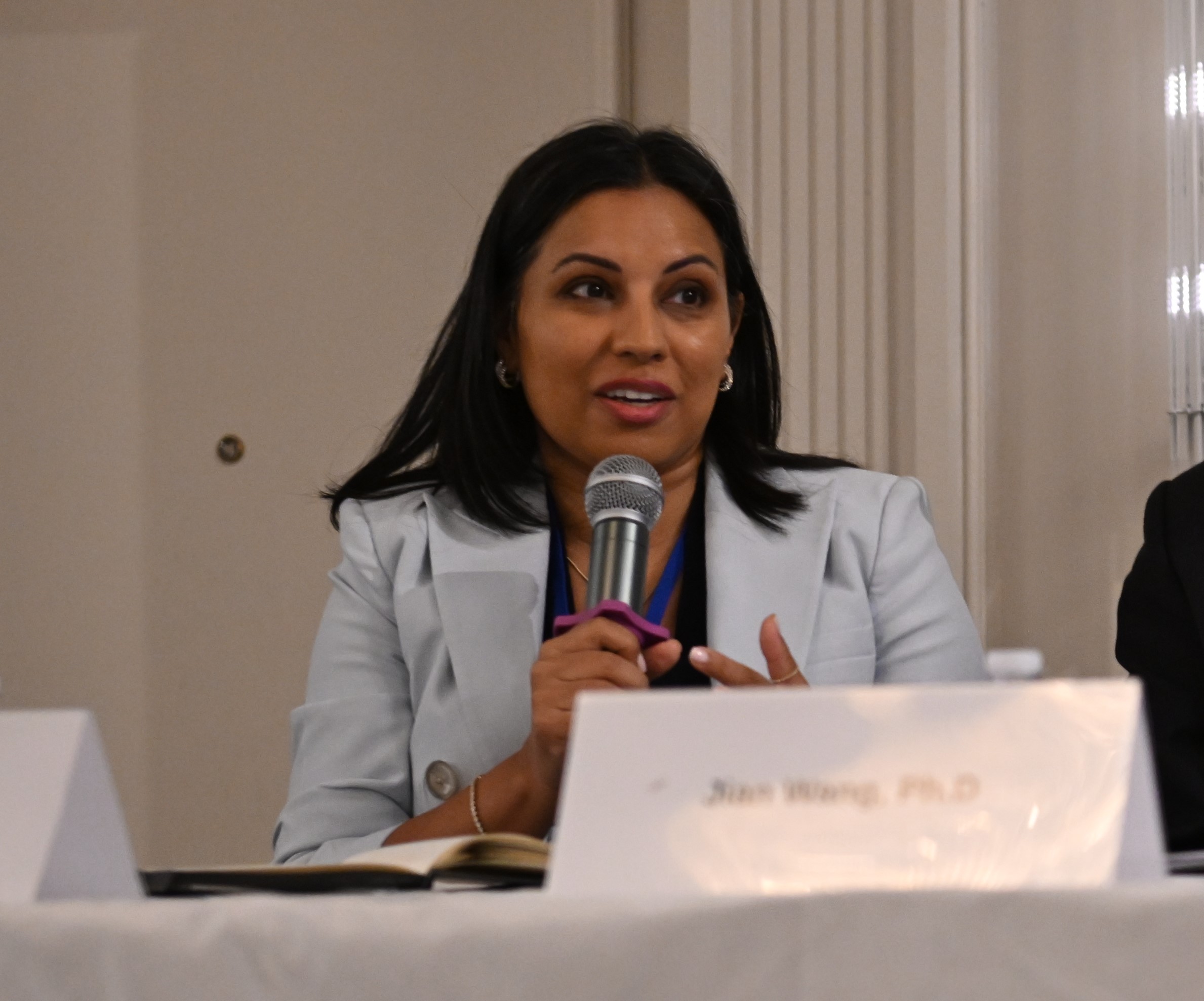
  • Dr. Jian Wang (Head of Ex-China Global Regulatory Affairs at Jiangsu Hengrui Pharmaceuticals) shared practical applications of AI in patient screening, biomarker discovery, clinical trial optimization, and regulatory document writing, noting that global regulatory harmonization remains a major challenge for multinational collaboration.
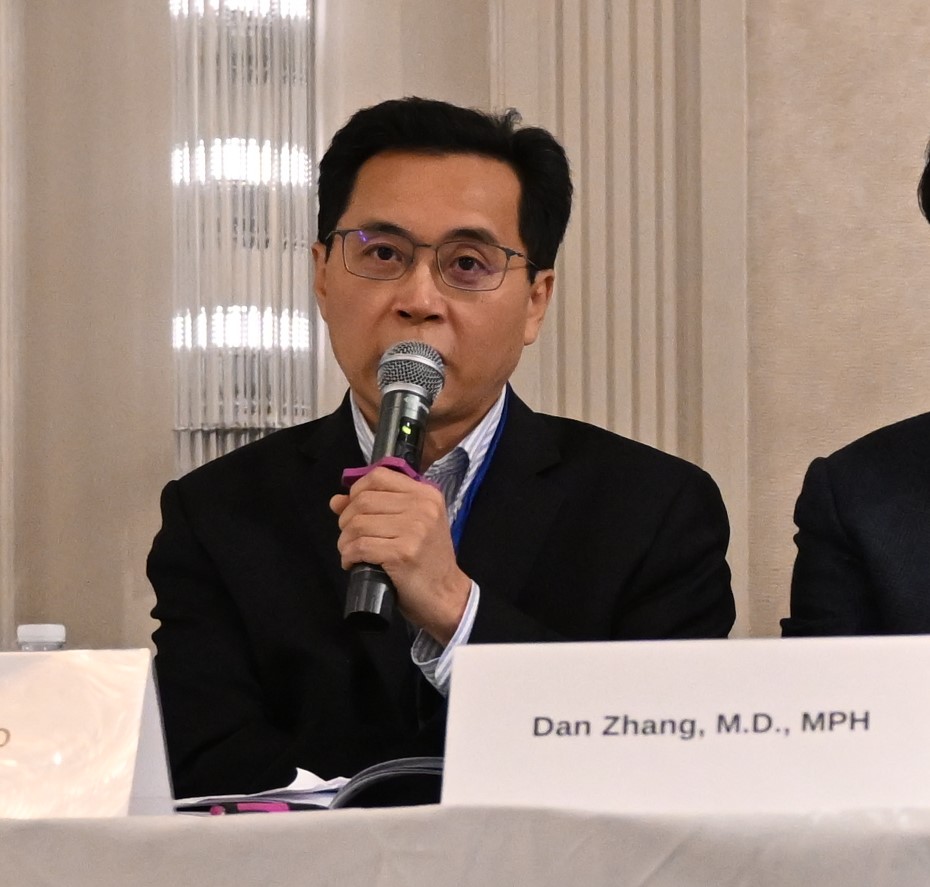
  • Dr. Dan Zhang (Co-founder and Board Member of ClinChoice Medical Development, and CSO of Peking Union Innovation Hub) stressed the importance of Sino-US cooperation. He observed that combining the US’s original innovation capabilities and China’s efficient clinical translation capabilities with AI technology will generate a powerful competitive advantage.
  • Dr. Harpreet Singh (CMO of Precision for Medicine) shared her perspectives on future trends in AI drug discovery and clinical development, noting that maintaining a “Human-in-the-Loop” approach is essential to safeguard the quality of clinical decisions.

                                                                   Group Photo of the Session 2 Speakers

Lunch Session: Sponsor Showcase and Networking

The lunch session brought together multiple industry chain partners and innovative service organizations.

  • Section A was hosted by Mrs. Alice Zhang and Dr. Wenjia Lou:
    • Beijing Bay Max presented case studies on using real-world research platforms in clinical development and post-marketing studies.
    • Kactus Biosystems introduced capabilities in developing highly challenging recombinant proteins and key reagents.
    • Howard County Economic Development Authority showcased Maryland’s life sciences innovation ecosystem.
    • Kyinno Biotechnologies shared its AB5000 antibody off-target screening platform.
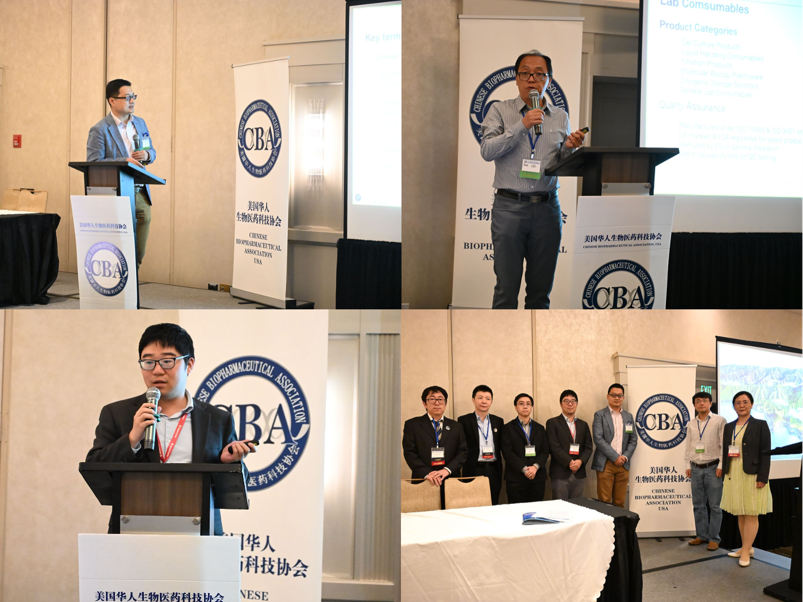
    • IntelixBio introduced localized equipment and consumables services designed for scientific research institutions.

Group Photo of Lunch Session A

  • Section B was hosted by Dr. Yixing Han and Dr. Wei Xiong:
    • GenScript highlighted its AI-driven drug R&D validation platform and automated production systems.
    • BioIntron introduced its AbDrop antibody discovery platform based on single B-cell screening.
    • Goodwin Procter analyzed the application and challenges of the NewCo model in cross-border transactions from legal and capital market perspectives.

Group Photo of Lunch Session B

The lunch session comprehensively demonstrated the technical platforms, service ecosystems, and cooperative opportunities supporting biopharmaceutical innovation, building a crucial bridge for upstream and downstream exchanges.

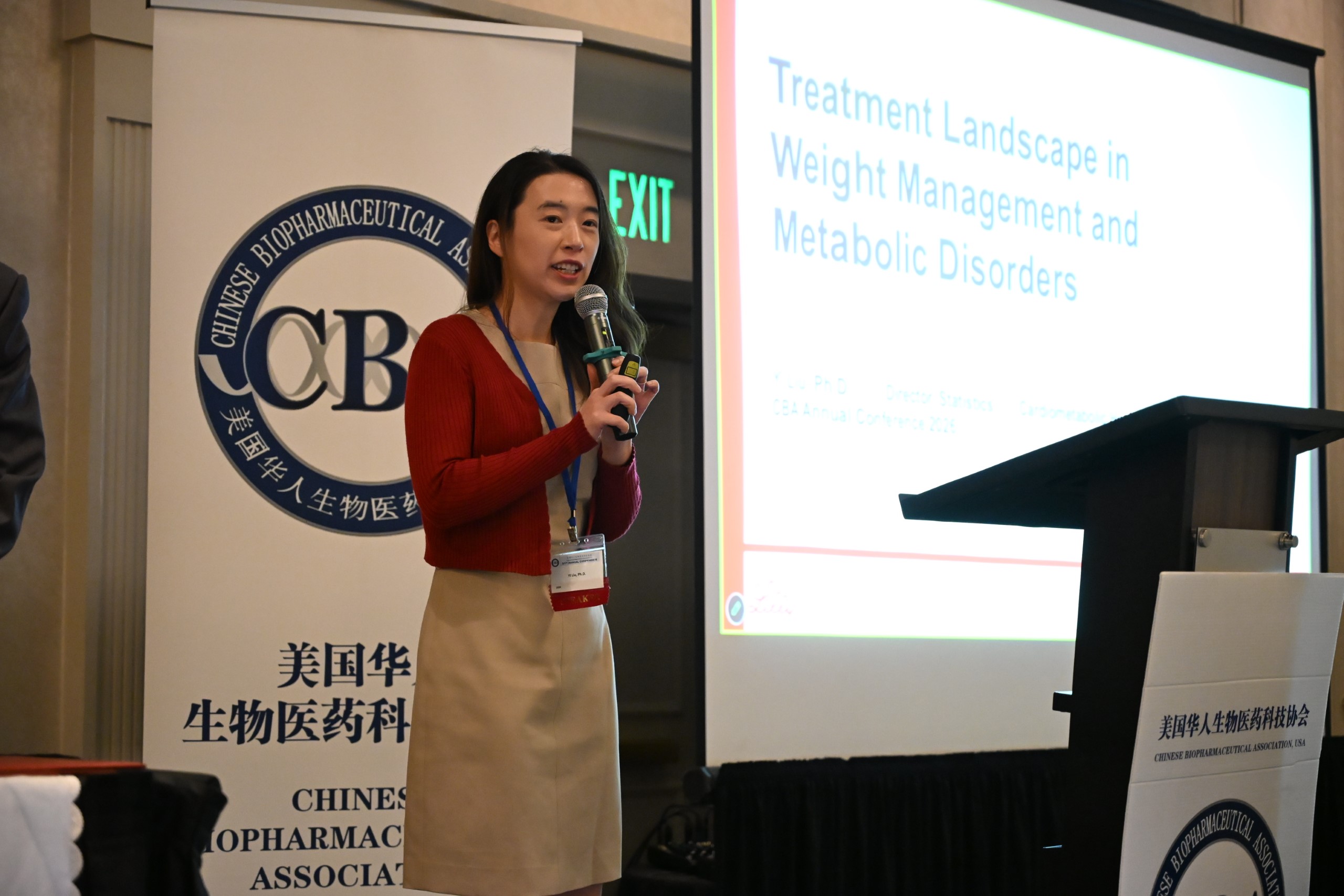
Session 3A: Treatment Landscape in Weight Management and Metabolic Disorders

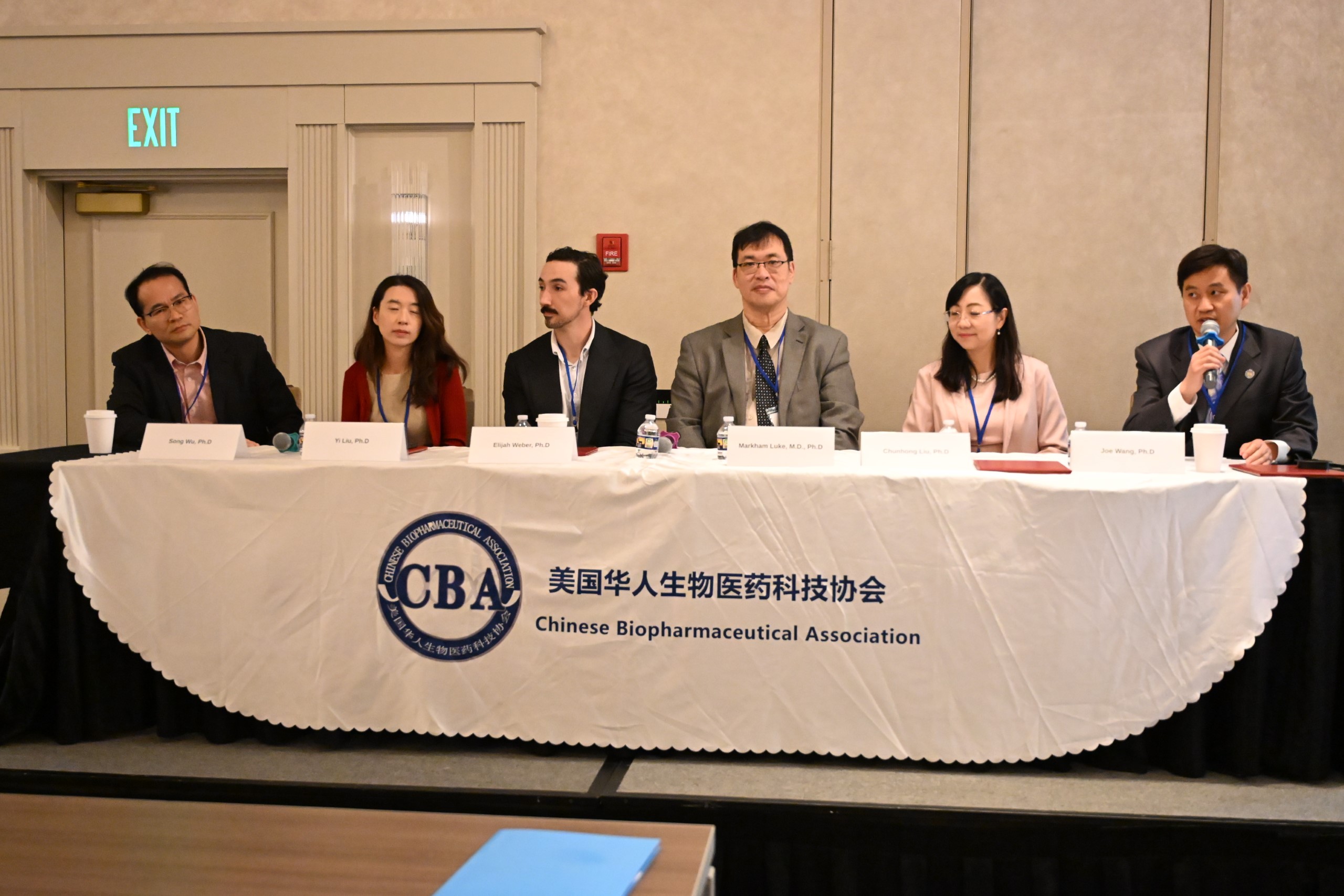
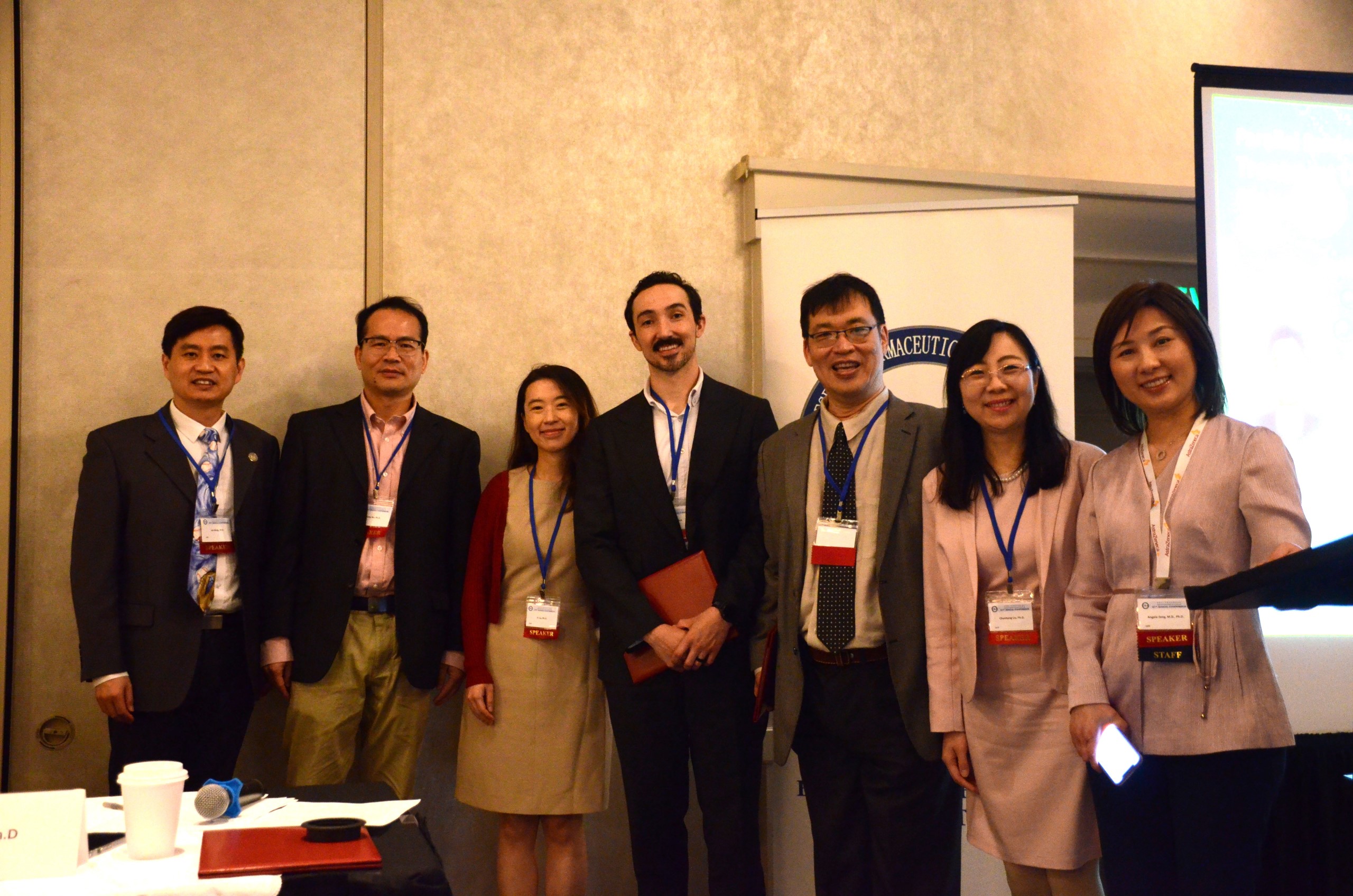
Session 3A zeroed in on one of the world’s hottest tracks—the treatment of obesity and metabolic diseases—and was moderated by Dr. Joe Wang and Dr. Chunhong Liu.

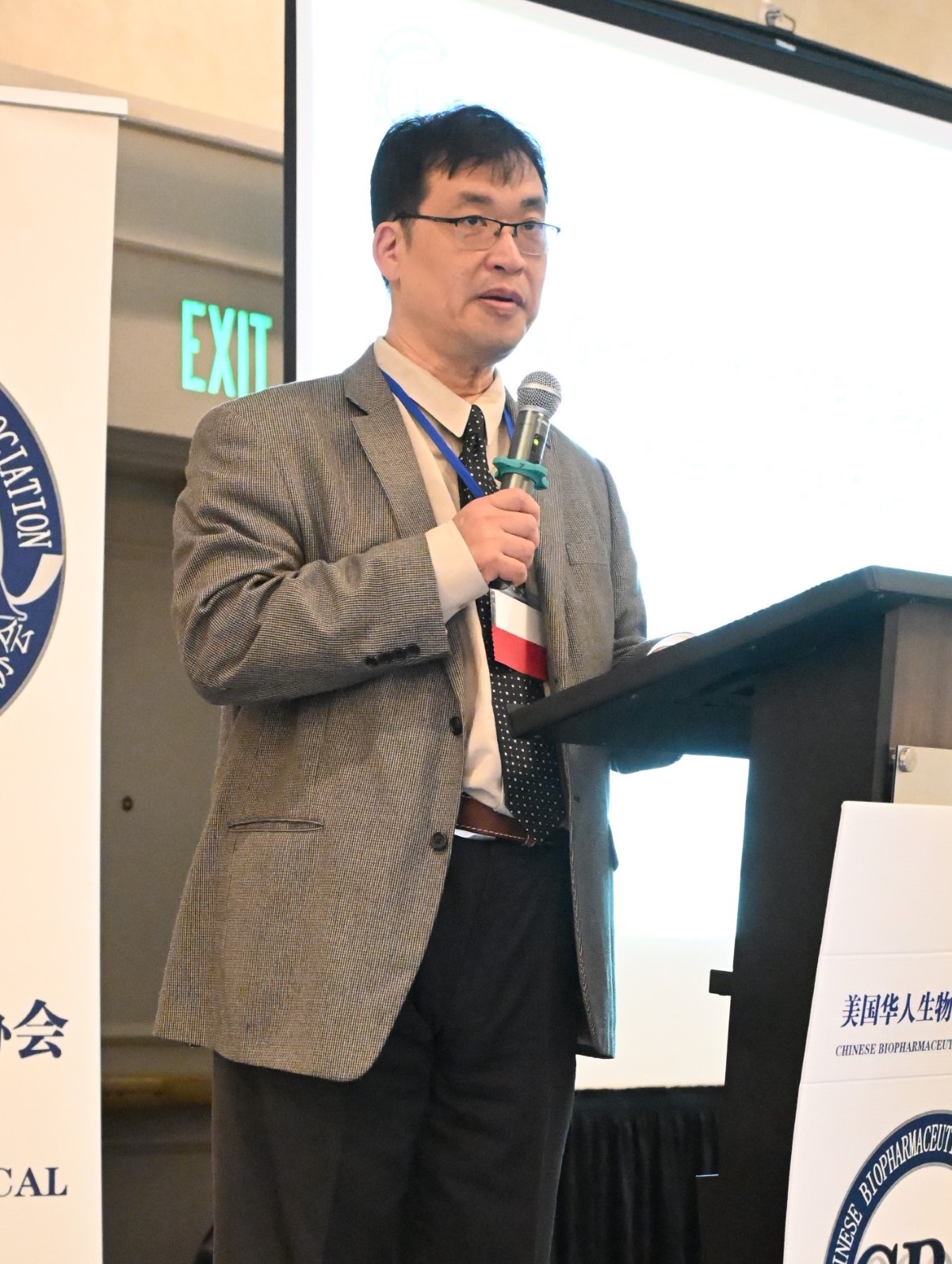
  • Dr. Markham Luke (Director of the Division of Therapeutic Performance, Office of Research and Standards, OGD/CDER/FDA) analyzed the outlook for GLP-1 drugs and generics from a regulatory standpoint. He noted that the global market has exceeded $100 billion, and that improving drug accessibility will be a vital future objective.
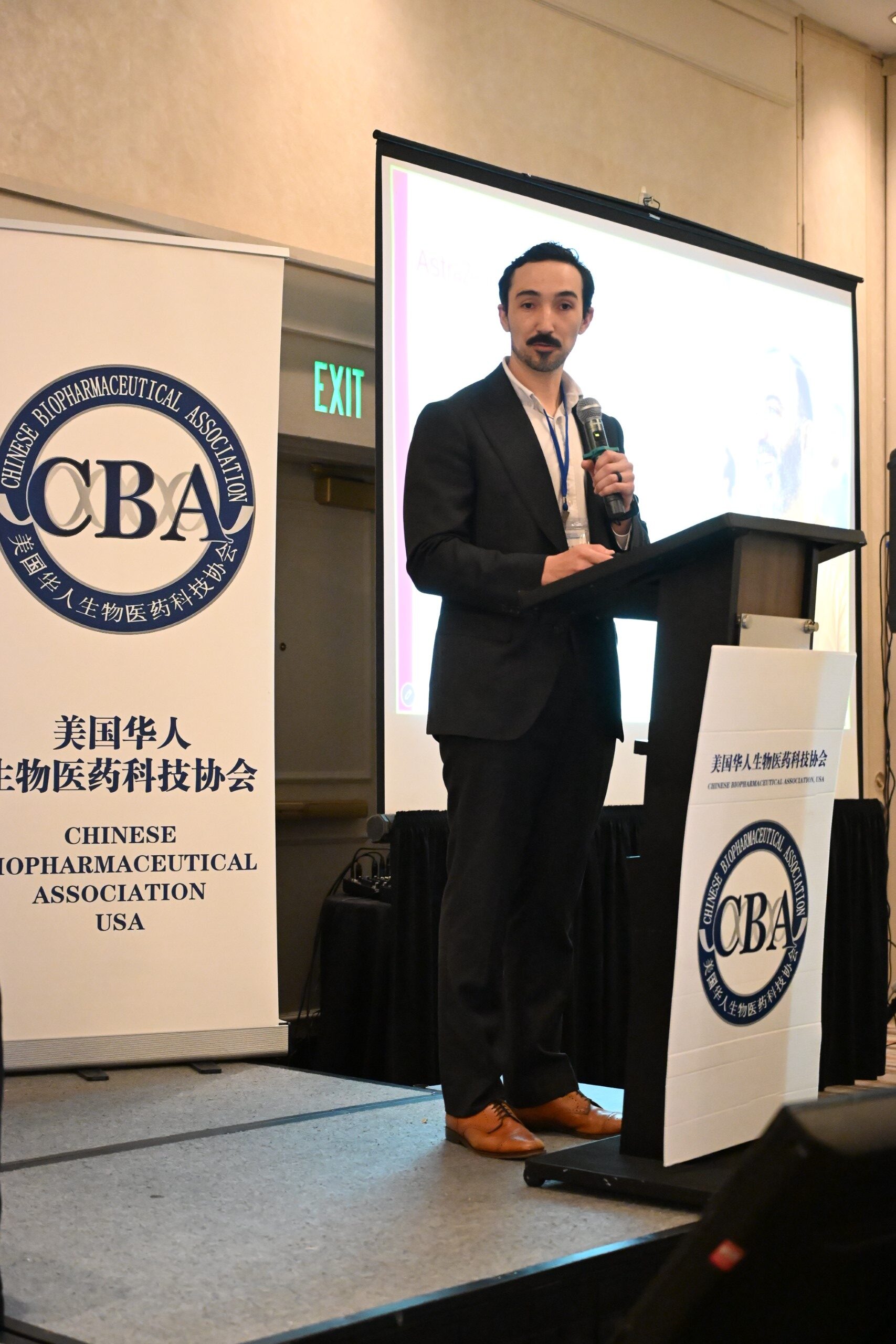
  • Dr. Elijah Weber (Director of Clinical Pharmacology at AstraZeneca) systematically compared the current development of GLP-1, Amylin, and multi-target combination therapies from a clinical pharmacology perspective, diving deep into key topics like efficacy, immunogenicity, and long-term safety.
  • Dr. Yi Liu (Director of Statistics at Eli Lilly) mapped the evolution path of obesity treatments from single-target to dual- and triple-target drugs, analyzing the development potential of next-generation candidates like Retatrutide and CagriSema.
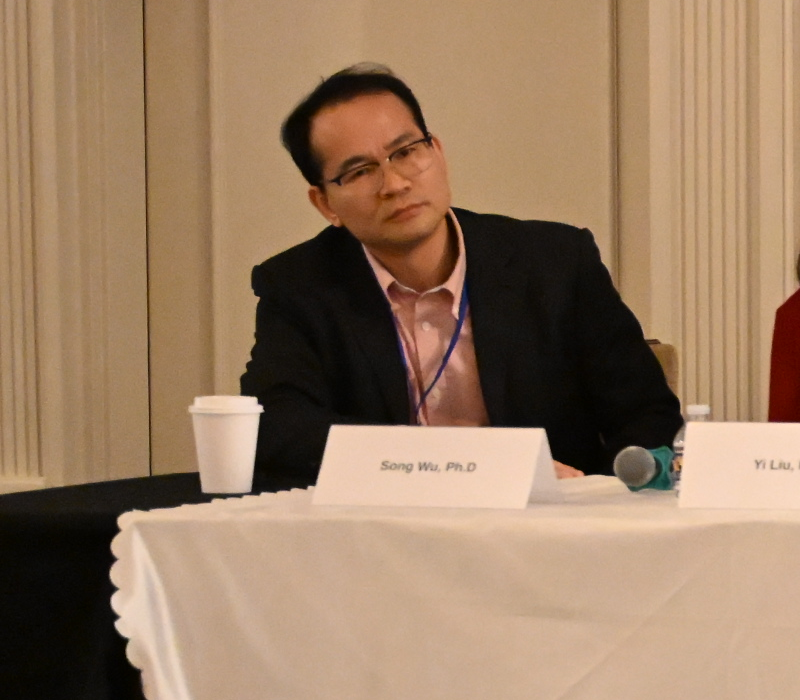
  • During the roundtable, Dr. Song Wu (Vice President of Hansoh Pharma) discussed how innovative companies can avoid homogeneous competition, proposing differentiation strategies like new target discovery, innovative delivery methods, and production process optimization.

Group Photo of Session 3A speakers

The experts widely agreed that future obesity treatments will pivot from simple weight loss to comprehensive metabolic management, with multi-target drugs and long-term safety becoming the core of industry competition

Session 3B: Application of Artificial Intelligence in Novel Strategies for Dose Optimization and Clinical Trial Design

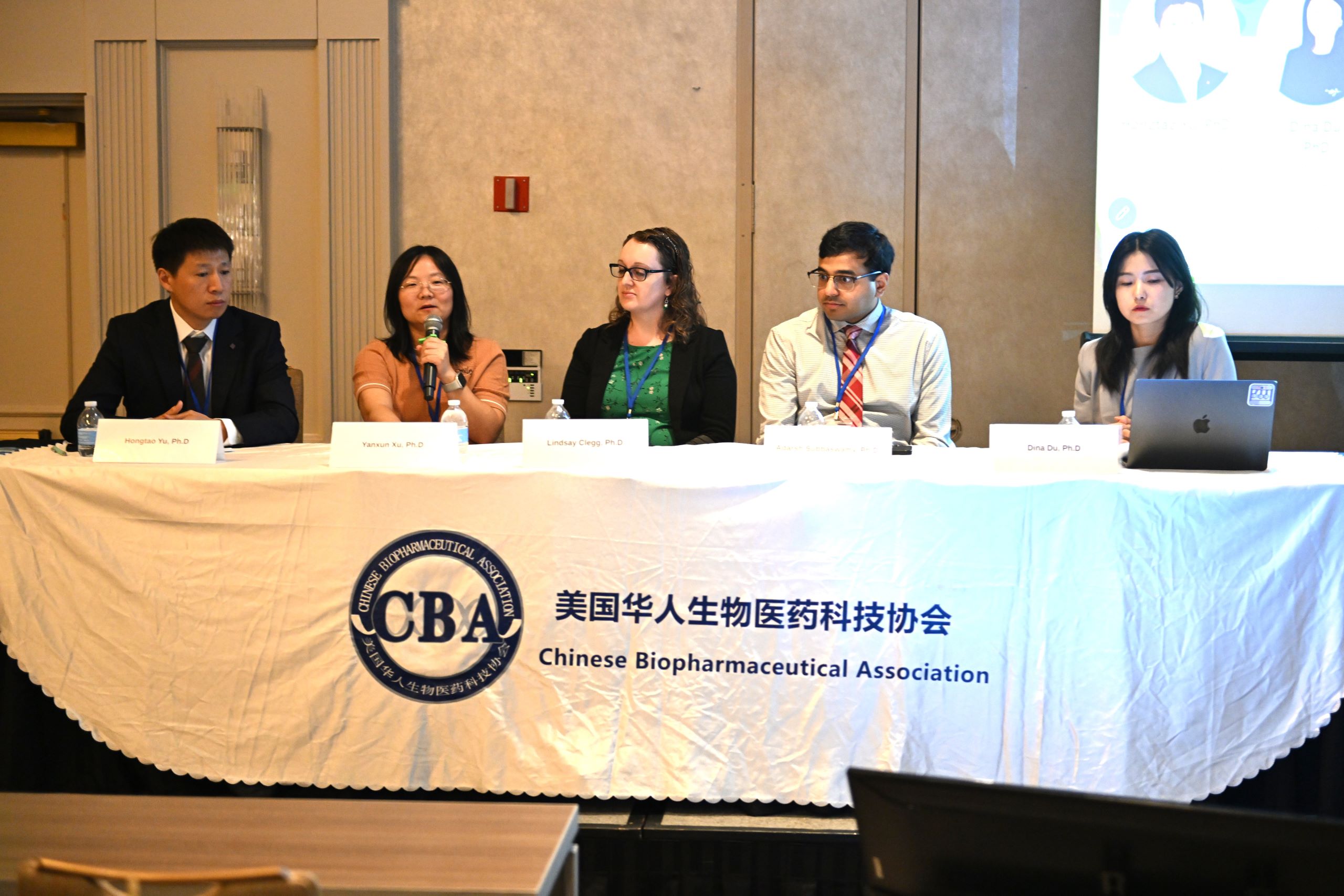
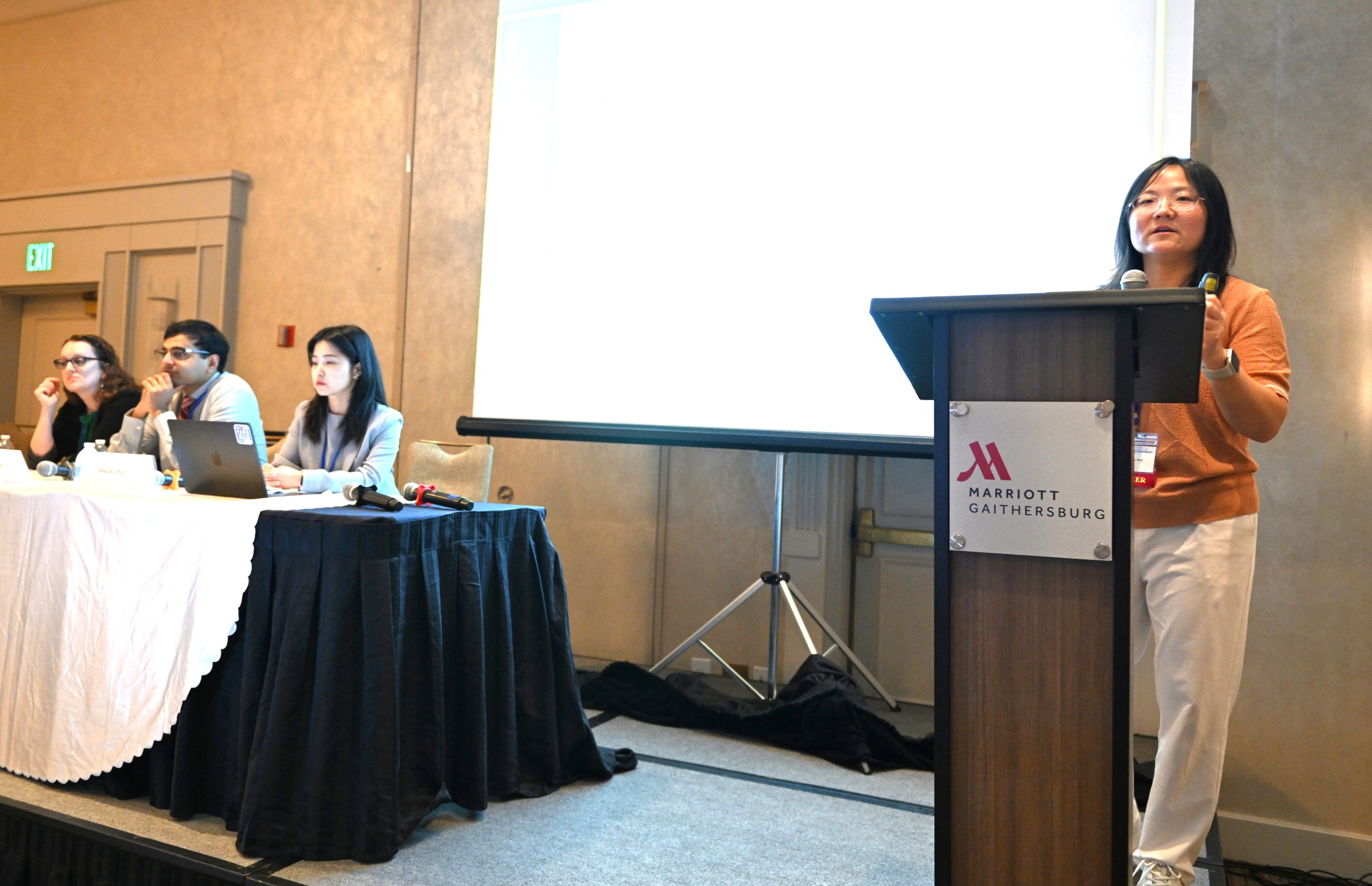
Session 3B highlighted the innovative use of AI in dosage optimization and clinical trial design, co-chaired by Dr. Hongtao Yu and Dr. Dina Du.

  • Dr. Adarsh Subbaswamy (Assistant Professor at the University of Maryland School of Pharmacy) kicked off the session by deeply analyzing the paradigm shift brought by individual/organ-level digital twin technology—driven by real-time mirrored real-world data (RWD)—and electronic health record (EHR) foundation models. He demonstrated its powerful capability to simulate any clinical trajectory via timeline-tokenized pre-training.
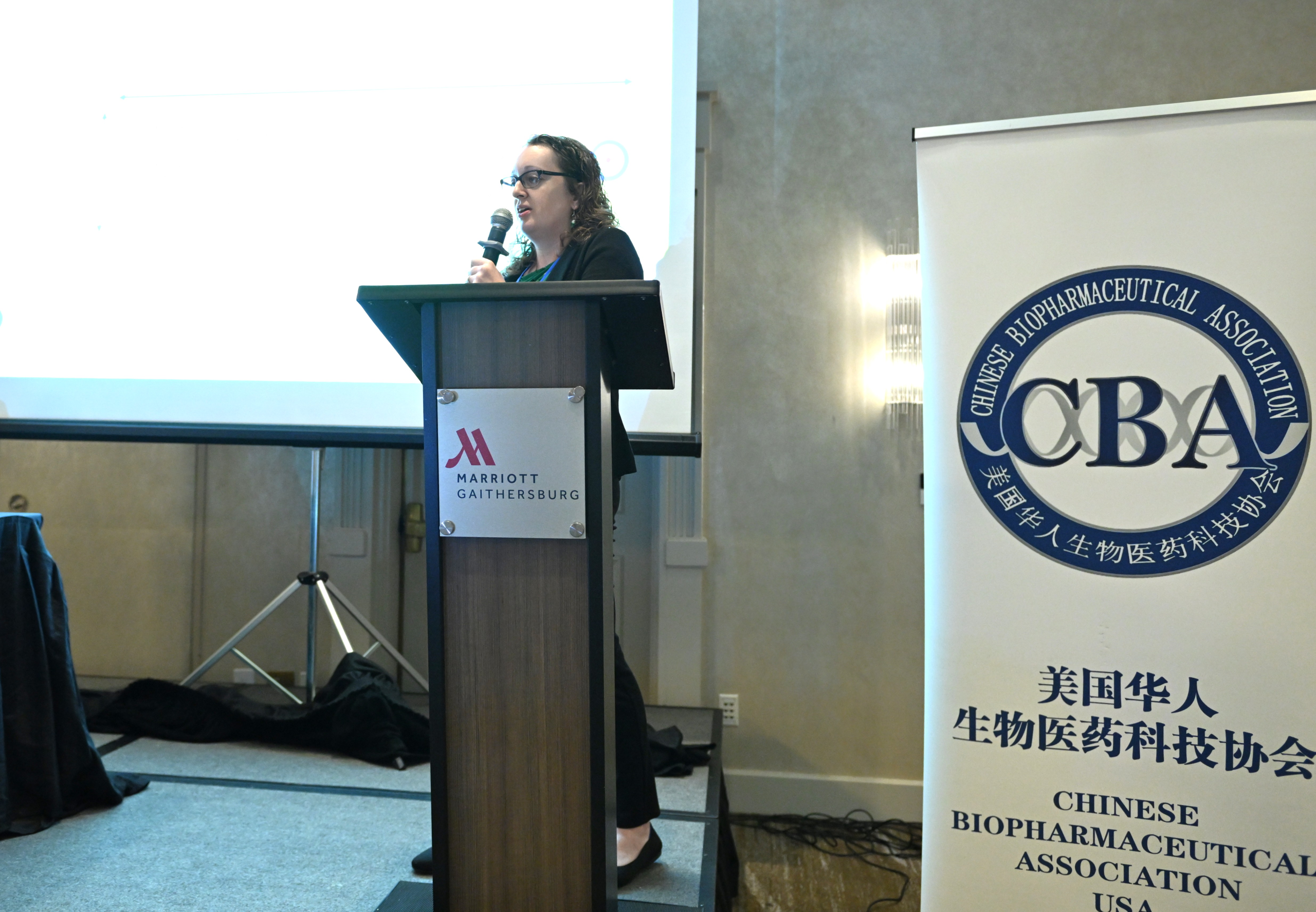
  • Dr. Lindsay Clegg (Group Director at Clinical Pharmacology & Pharmacometrics, AstraZeneca) extended this computational medicine perspective into industrial R&D pipelines. She outlined paths for integrating AI into model-informed drug development (MIDD), showed how automated population pharmacokinetics (PopPK) modeling could shift the R&D curve to the left (fail early, approve early), and disclosed the MADRIGAL model used for zero-shot toxicity prediction in multi-drug combinations.
  • Dr. Yanxun Xu (Joseph & Suzanne Jenniches Scholar Professor at Johns Hopkins University) wrapped up the presentations by unveiling KM-Studio, an end-to-end fully automated survival data reconstruction platform. Integrating VEC-KM, the dual-agent LLM and vision-based KM-GPT system, and the MAPLE algorithm, it provides an elegant solution to the industry pain point where underlying individual patient data (IPD) is missing or trapped in literature curves during clinical evidence synthesis.

The forum concluded that AI will not replace clinical researchers; instead, it will assist them in making faster and more precise decisions, laying the groundwork for future personalized medicine.

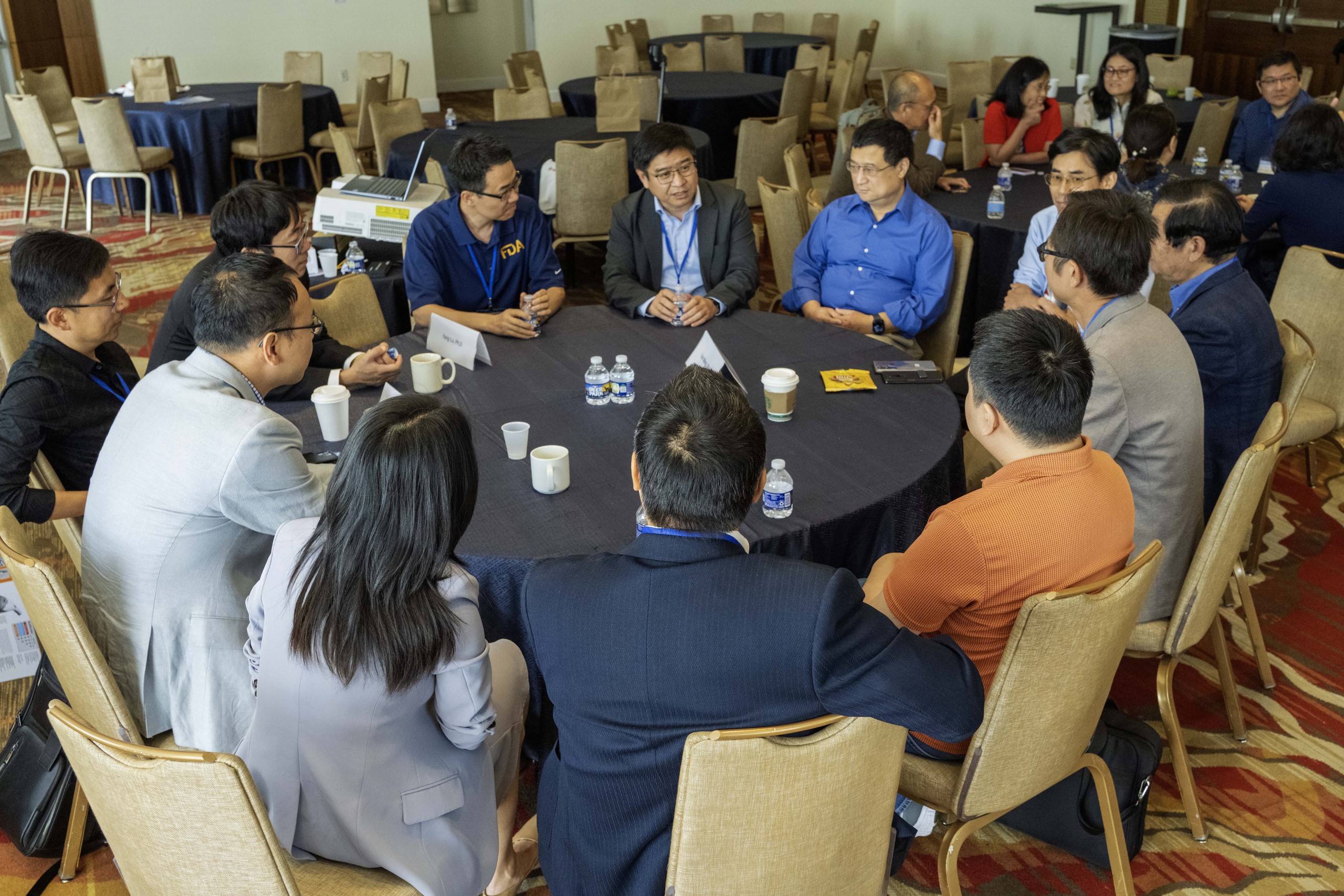
Session 3C: Lakeside Roundtable Discussion

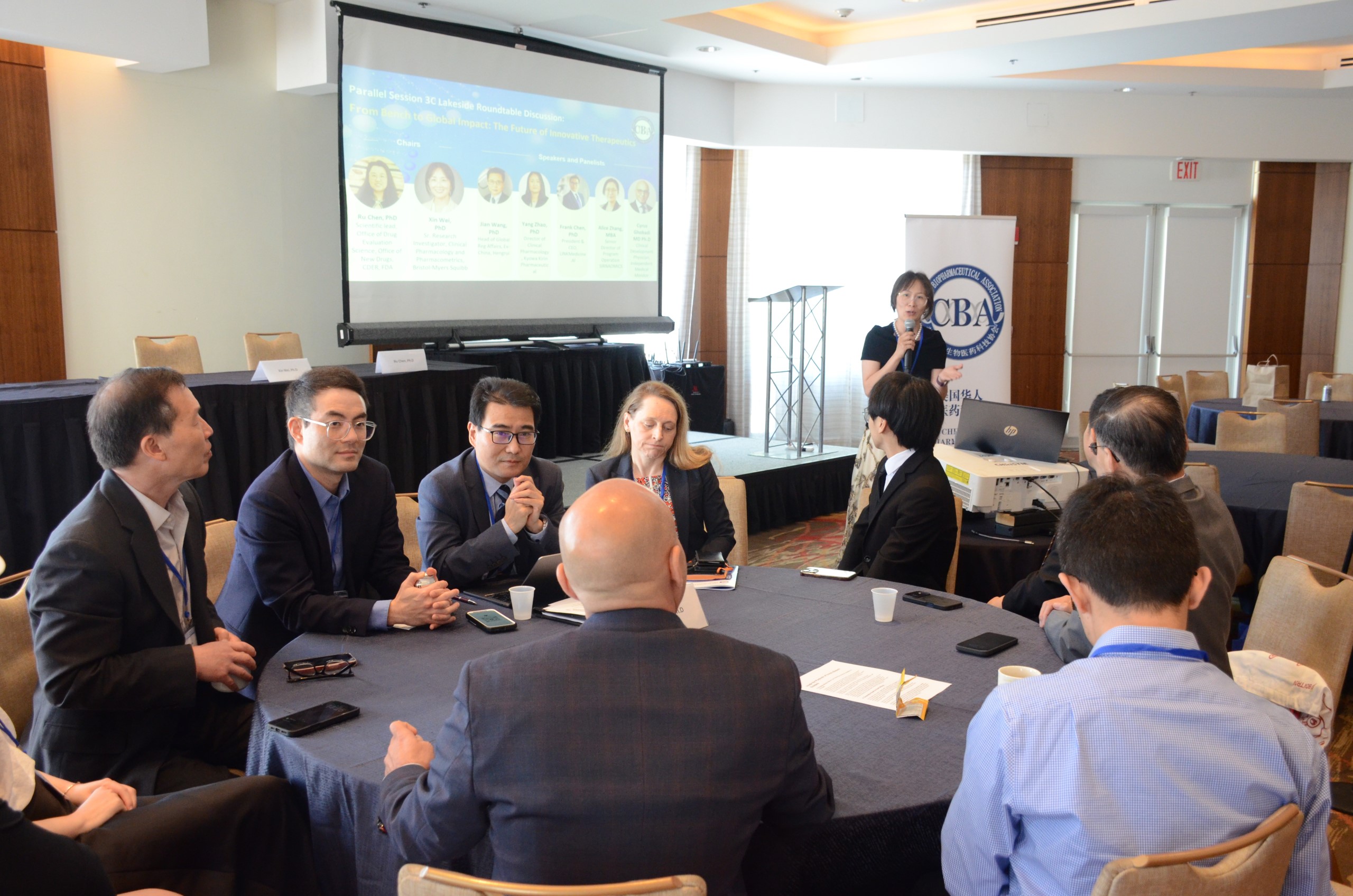
As one of the highly watched new additions to this year’s conference, the Lakeside Roundtable Discussion was held in two parts. Session 3C was co-chaired by Dr. Ru Chen and Dr. Xin Wei. The sessions revolved around two major themes: “CMC & Regulation: Global Strategies” and “Biotech BD & Entrepreneurship,” drawing a large crowd of attendees for passionate, interactive exchanges.

  • In the “CMC & Global Regulatory Strategies” discussion, Dr. Jian Wang (Head of Ex-China Global Regulatory Affairs at Jiangsu Hengrui Pharmaceuticals) and Dr. Yang Zhao (Director of Clinical Pharmacology at Kyowa Kirin) drew on their rich experiences to share the opportunities and challenges in global drug development and registration. They held deep exchanges on hot topics such as shifts in the international regulatory environment, global development strategies, and cross-regional regulatory coordination.
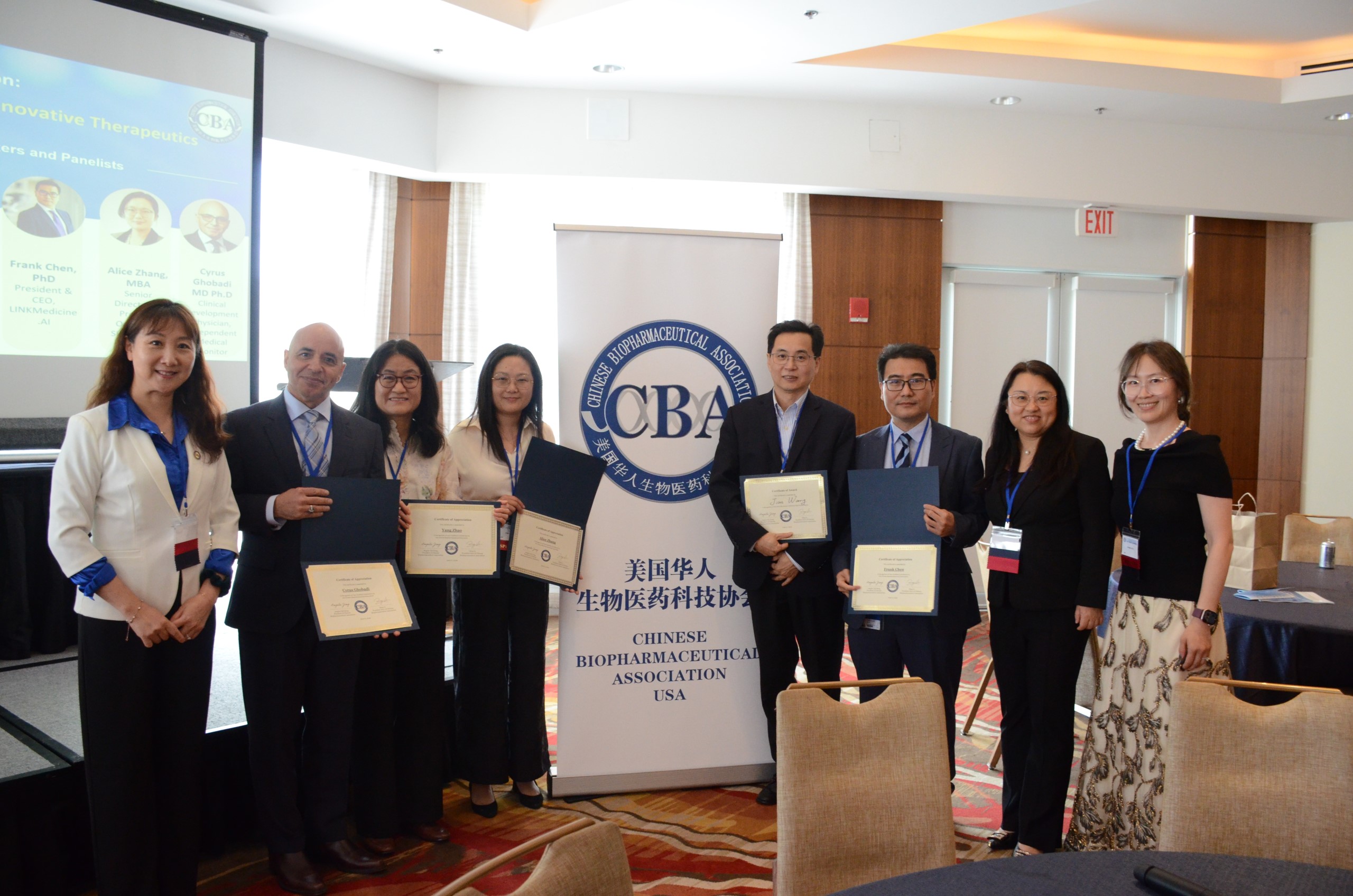
  • In the “Biotech Business Development & Entrepreneurship” discussion, Dr. Frank Chen (Founder & CEO of LINKMedicine.AI), Mrs. Alice Zhang (Senior Project Operations Director at Sirnaomics), and Dr. Cyrus Ghobadi (Founder of Artiko Pharma Consulting) shared valuable experiences regarding startup operations, business partnerships, financing strategies, and growth for innovative companies, striking a strong chord with the audience.

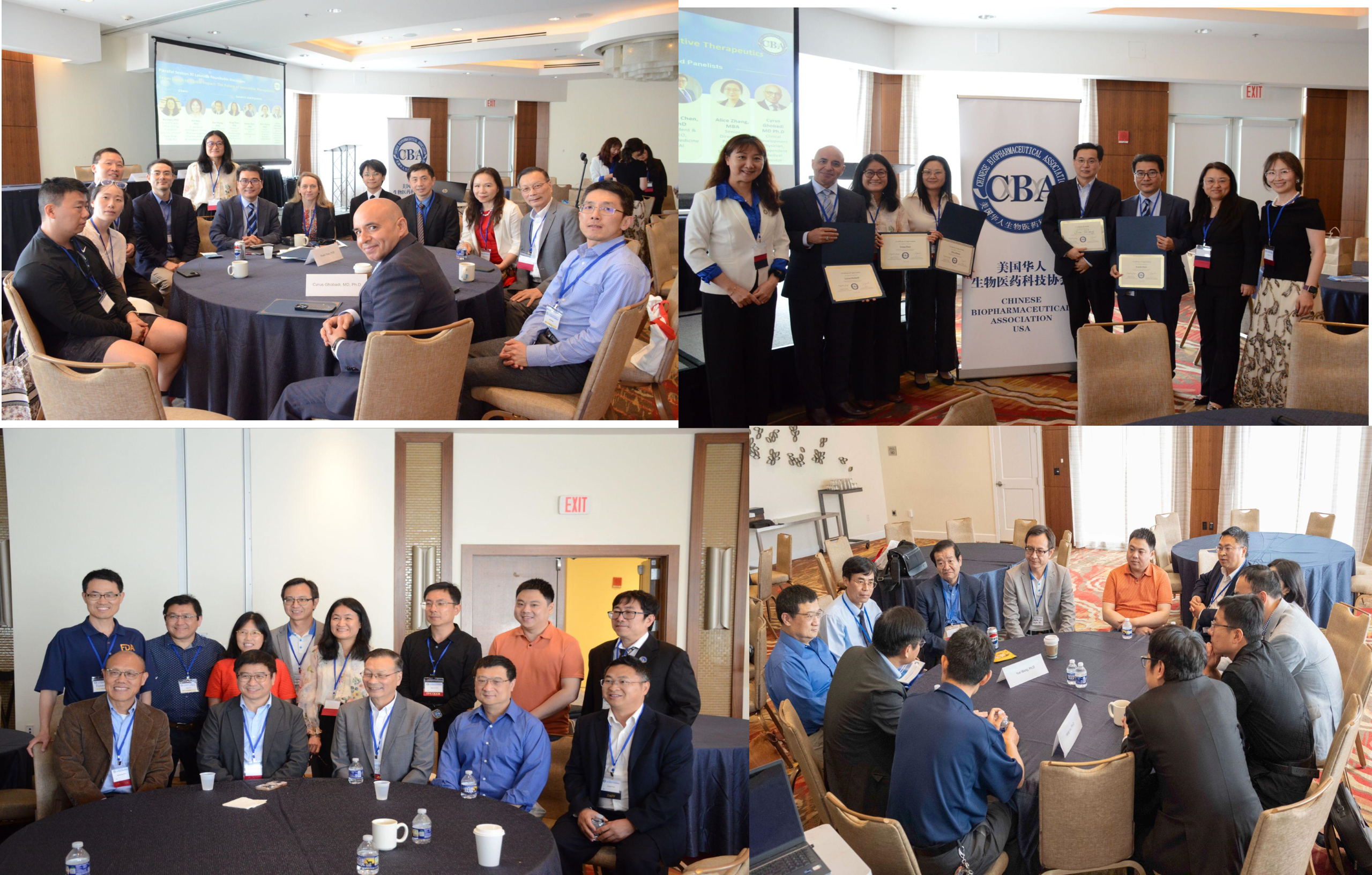
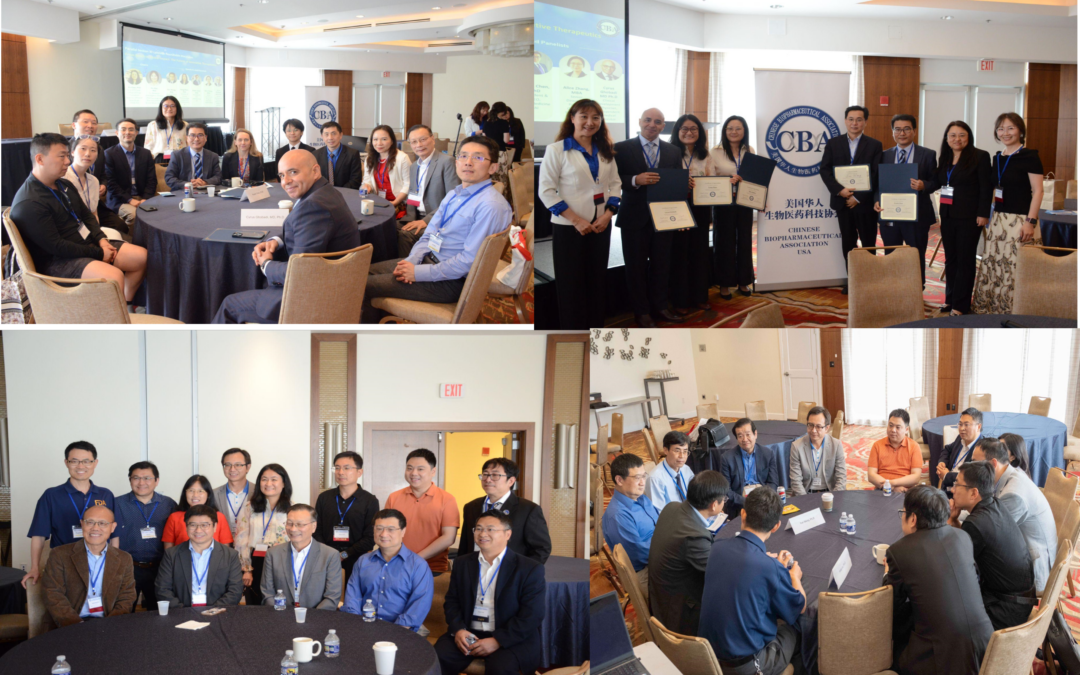
During the roundtables, attendees actively interacted and raised numerous questions covering drug R&D, regulatory science, commercial operations, and AI-enabled pharmaceutical innovation. Beyond the invited speakers, multiple industry veterans, corporate executives, innovation leaders, and past CBA presidents stepped in to share their insights, adding diverse and profound industry perspectives. The energetic atmosphere led to multiple extensions of the discussion times, reflecting the intense interest of the participants. This forum was highly praised for providing a premium platform for professionals across industry, academia, and regulatory sectors to spark cross-disciplinary ideas and collaborations.

Group Photo of Session 3C Speakers

Session 4A: CMC Development Strategies and Considerations for ADC Products

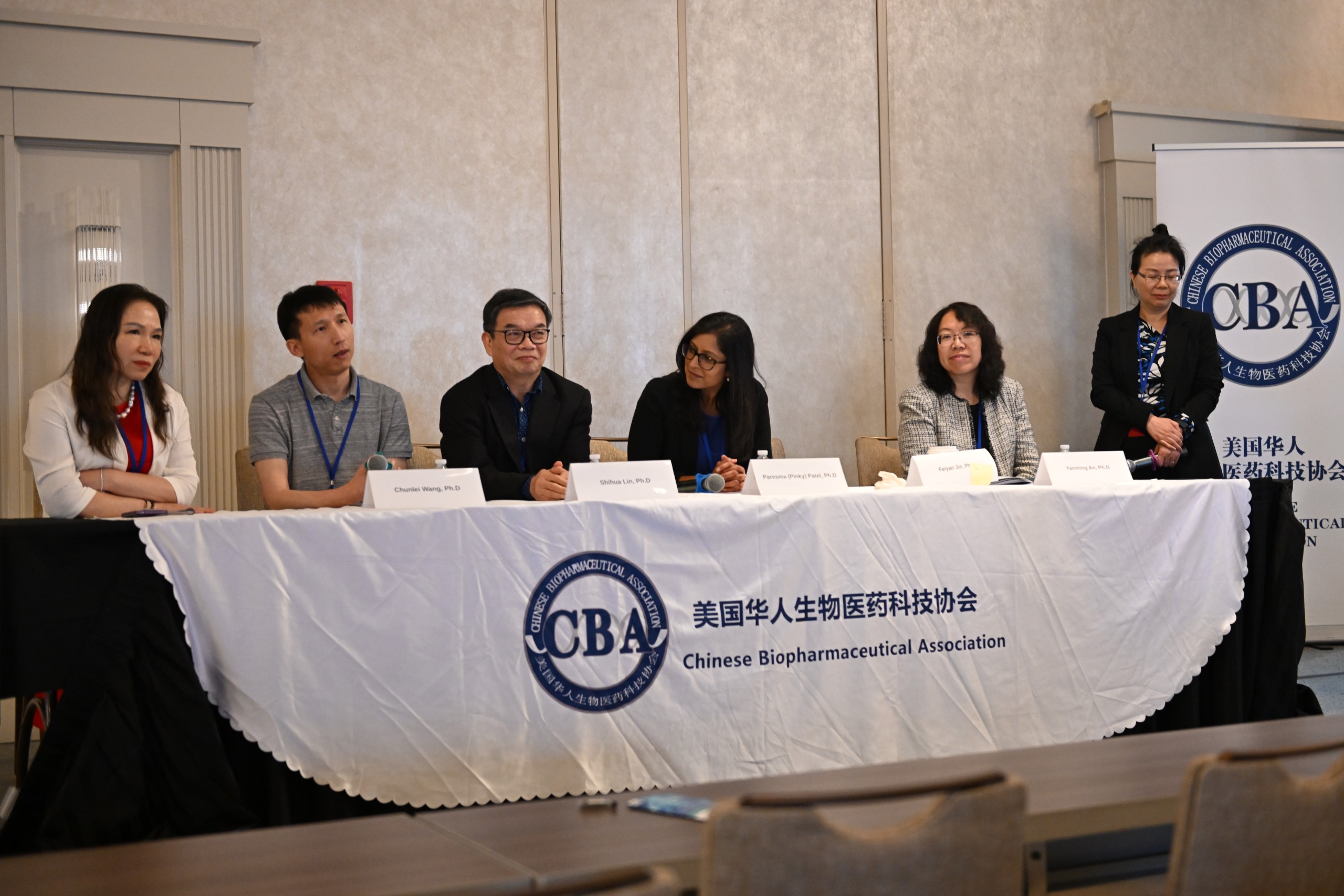
Session 4A focused on key CMC challenges in ADC drug development and was moderated by Dr. Feiyan Jin and Dr. Yanming An.

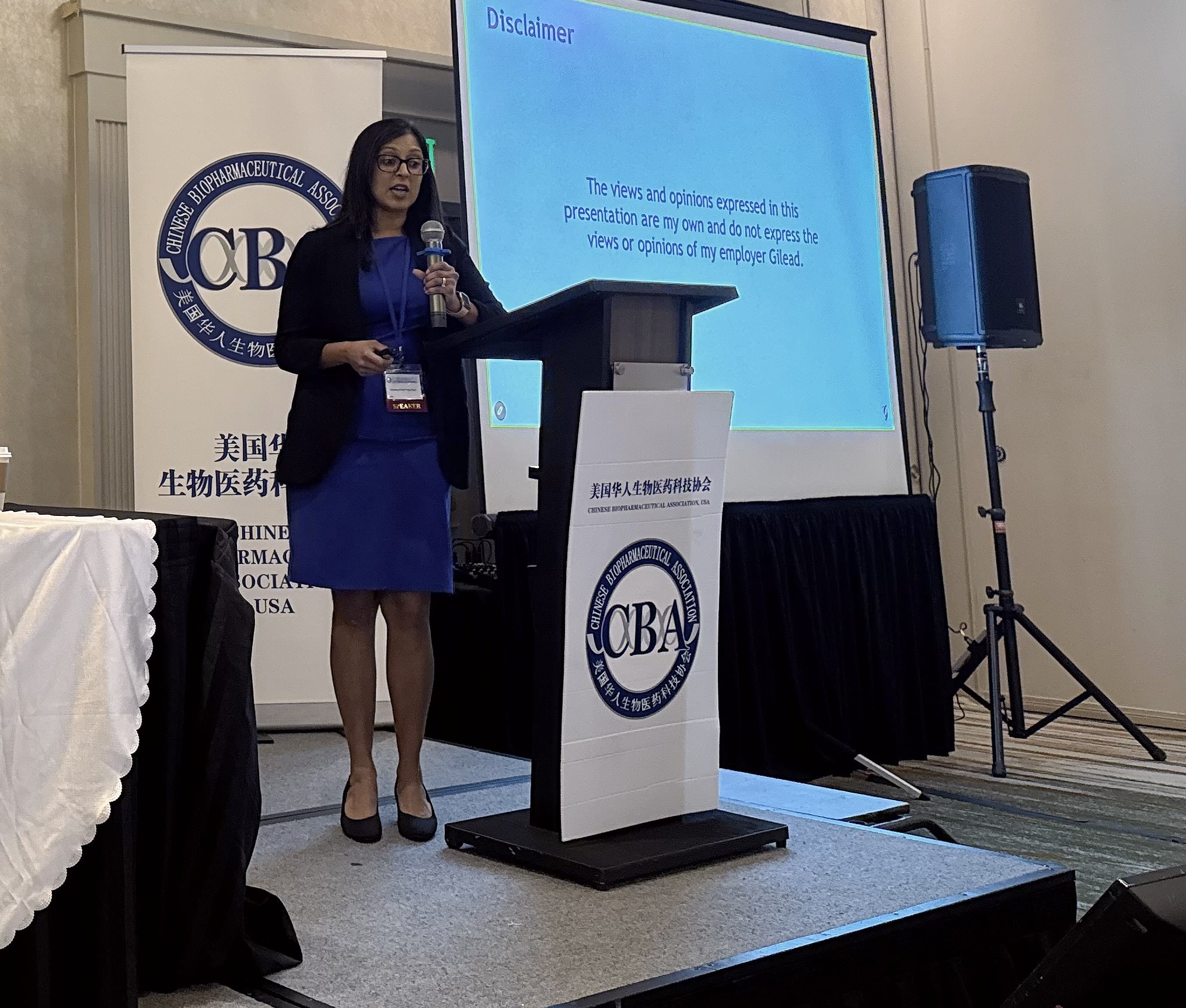
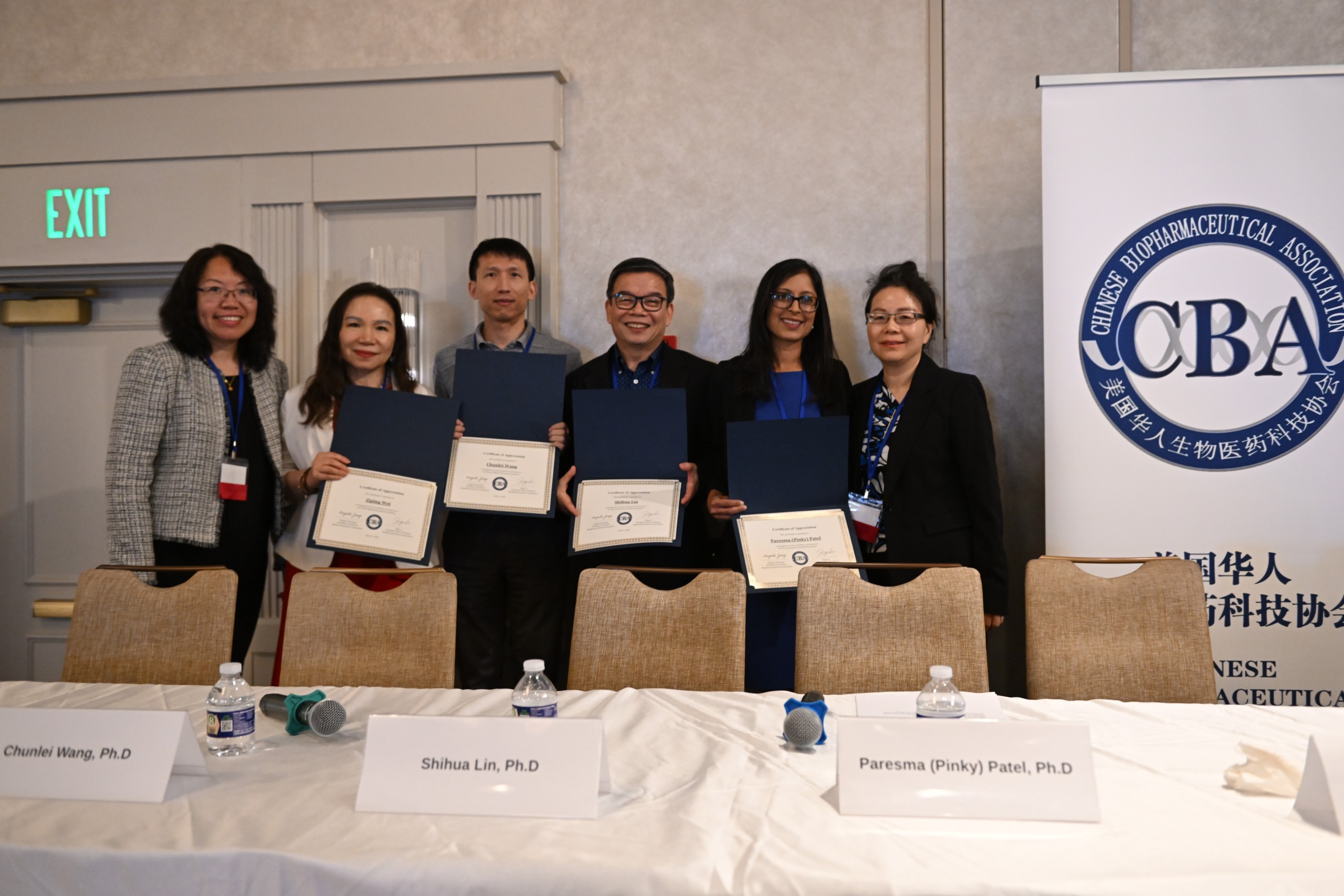
  • Dr. Pinky Patel (former FDA reviewer and current Regulatory Affairs Director at Gilead) systematically laid out the CMC complexities of ADC development, including drug-linker impurity control, global regulatory demands, and future technology trends.
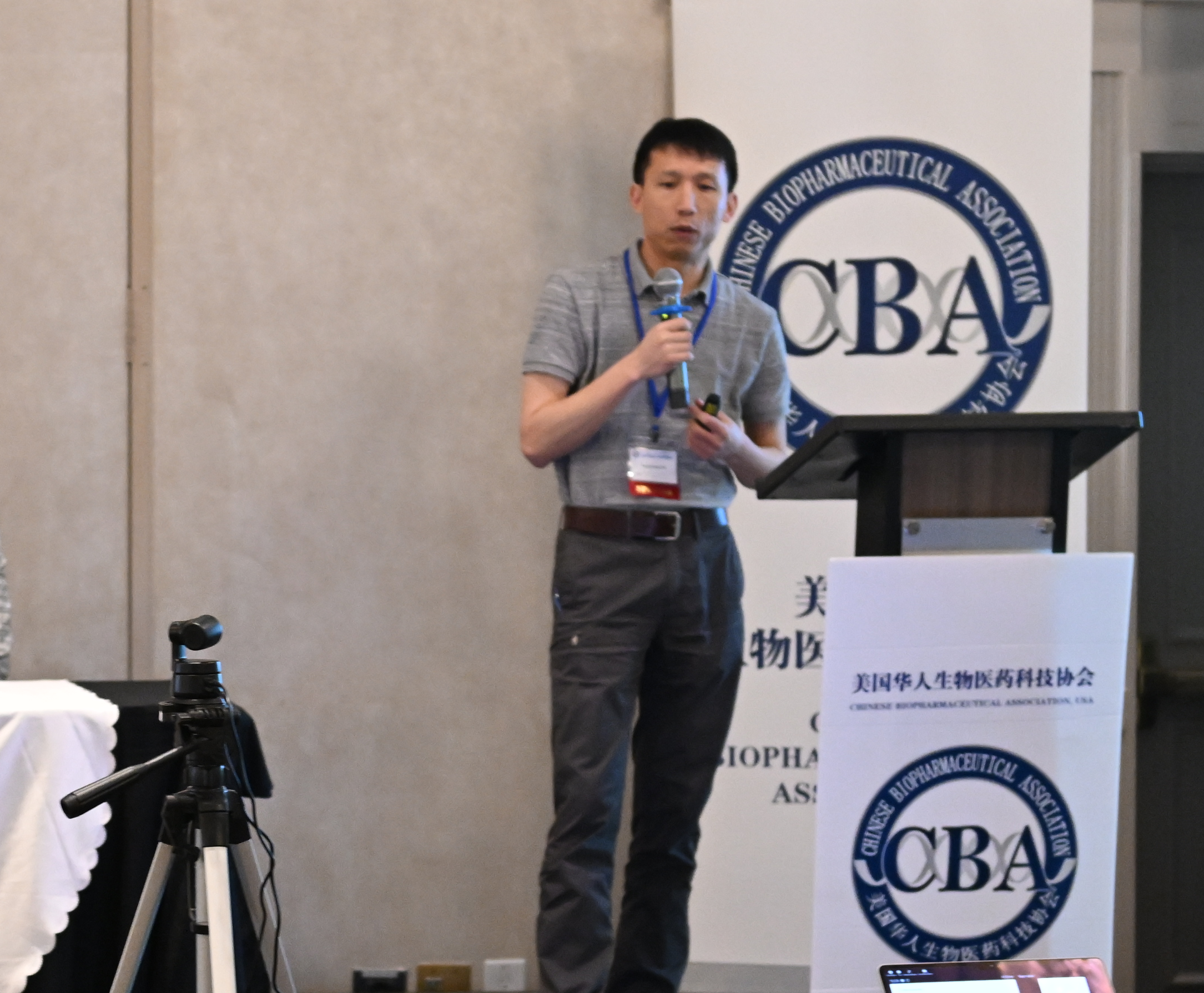
  • Dr. Chunlei Wang (Director of Analytical Sciences at AstraZeneca) focused on control strategies for ADC charge variants, demonstrating the complex and fascinating relationship between charge profiles and in vivo stability.
  • Dr. Shihua Lin (CMC Vice President at TopAlliance Biosciences) analyzed the challenges of developing bispecific and Mult-specific ADC products from the angle of bioactivity assays, emphasizing the importance of mechanism-related testing.
  • In the roundtable, Dr. Zhiping Wei (CEO of Bliss Biopharmaceutical) shared experiences regarding the rapid growth of Chinese ADC enterprises and dual-filing strategies in China and the US.

Group Photo of Session 4A Speakers

The forum underscored the vital importance of CMC science amidst the rapid pace of innovation in the ADC field.

Session 4B: Boundless Innovation: Building, Collaborating, and Scaling Between China and the US

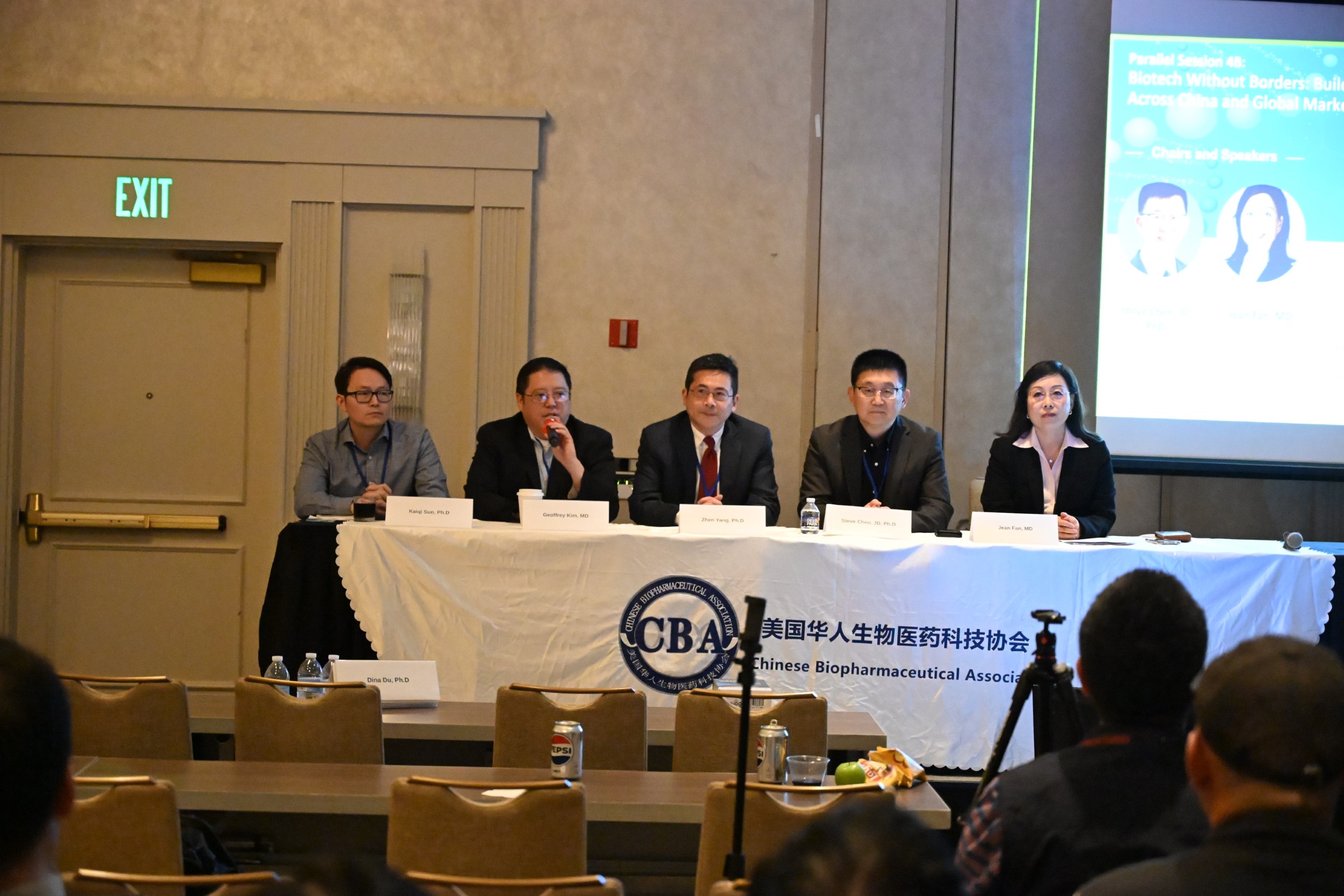
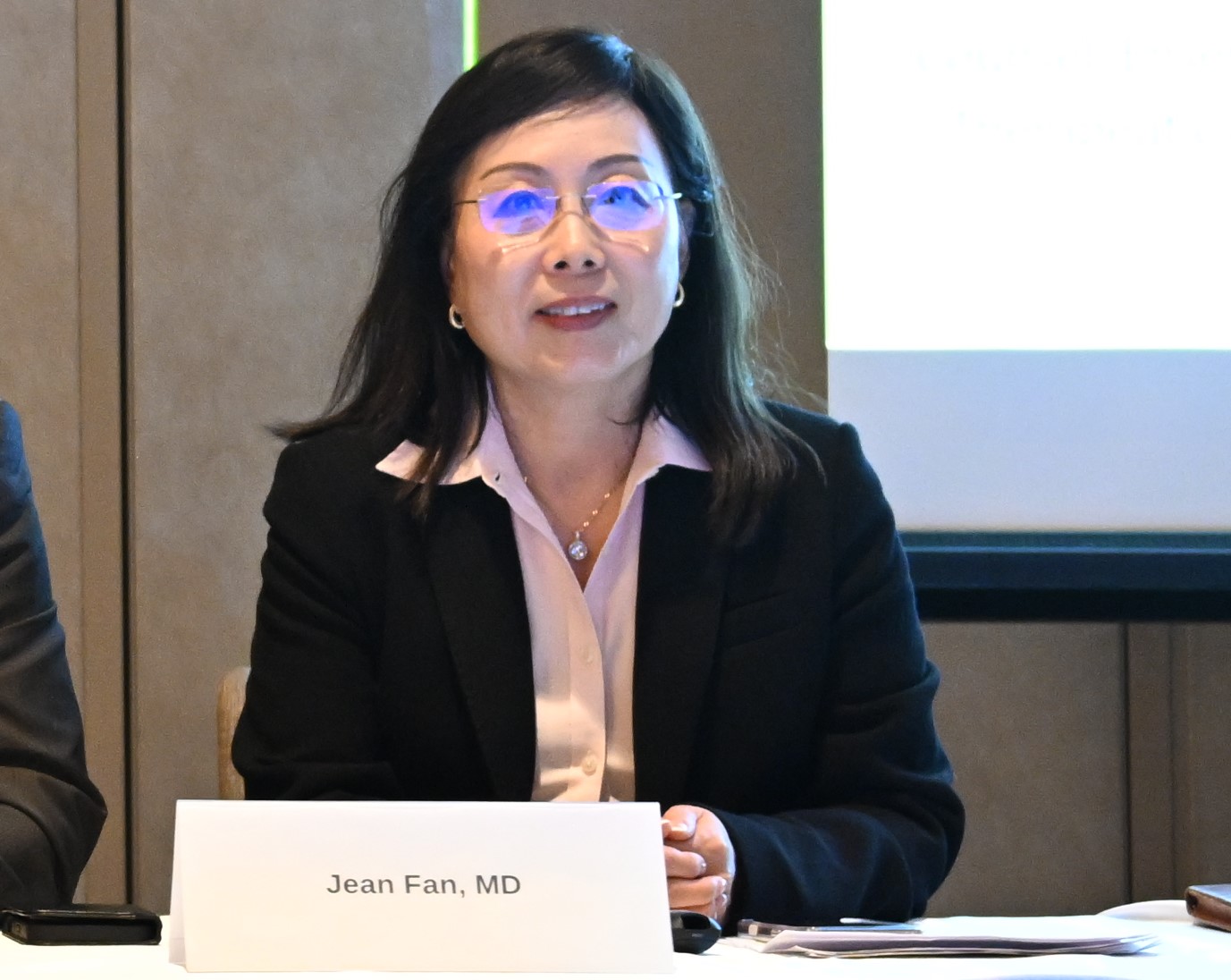
Session 4B highlighted Sino-US biopharmaceutical cooperation and globalized development, co-chaired by Dr. Steve Chen and Dr. Jean Fan.

  • Dr. Jean Fan (CMO & COO of TransThera Sciences) noted that the US and China possess natural complementarities within the innovation ecosystem. She stressed the vital weight of globalized R&D strategies for long-term corporate success, noting that “the future is not the US against China, but the US working together with China.”
  • Dr. Zhen Yang (Senior Director of Global BD & AM at Hansoh Bio) analyzed the booming growth trend of out-licensing for Chinese innovative drugs, sharing globalization lessons drawn from multiple successful case studies.
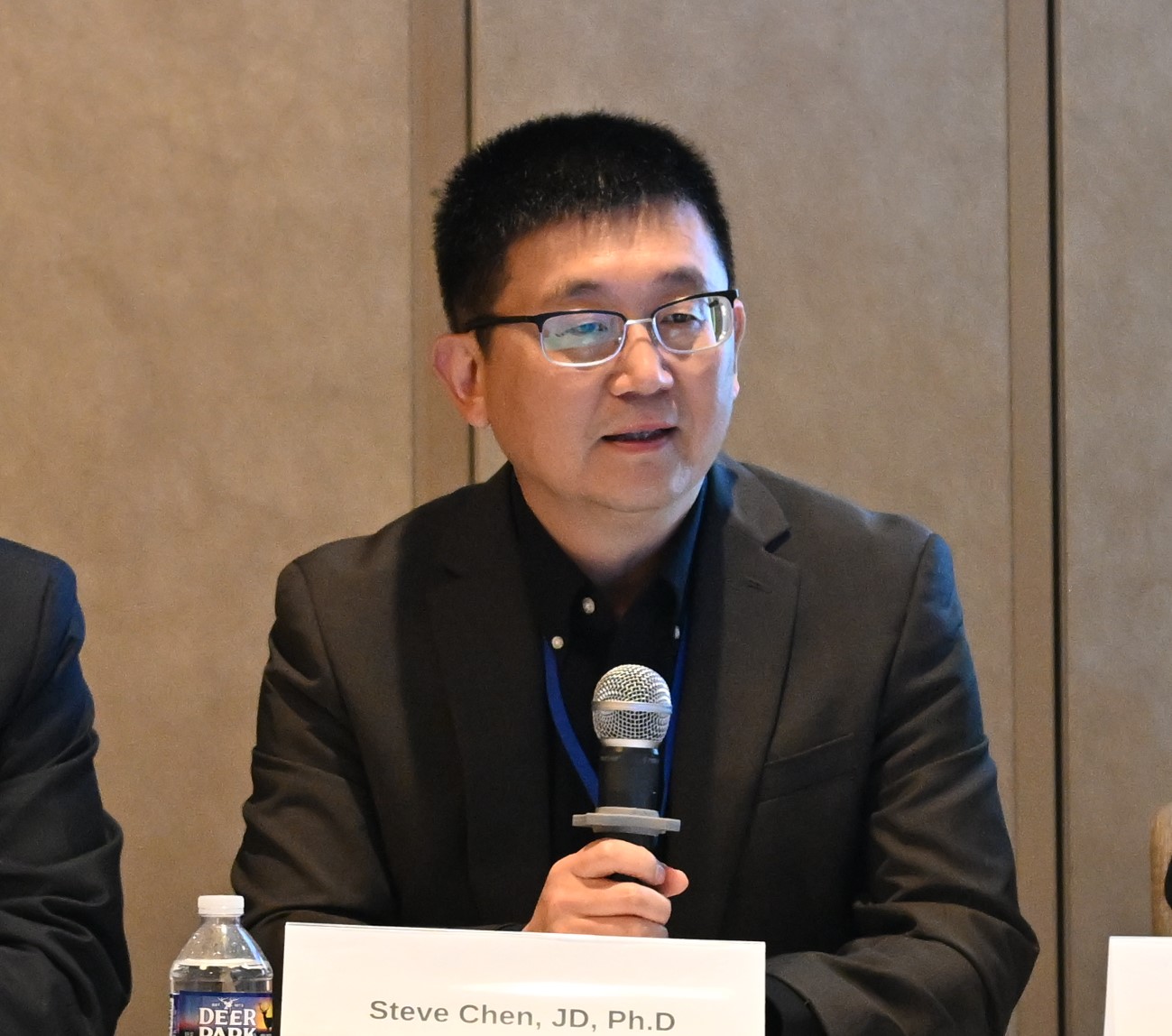
  • Dr. Steve Chen (General Counsel at Ensem Therapeutics) presented key insights on intellectual property protection, equity structure, tax planning, and compliance governance during the creation of a biotech startup from legal and entrepreneurial angles.
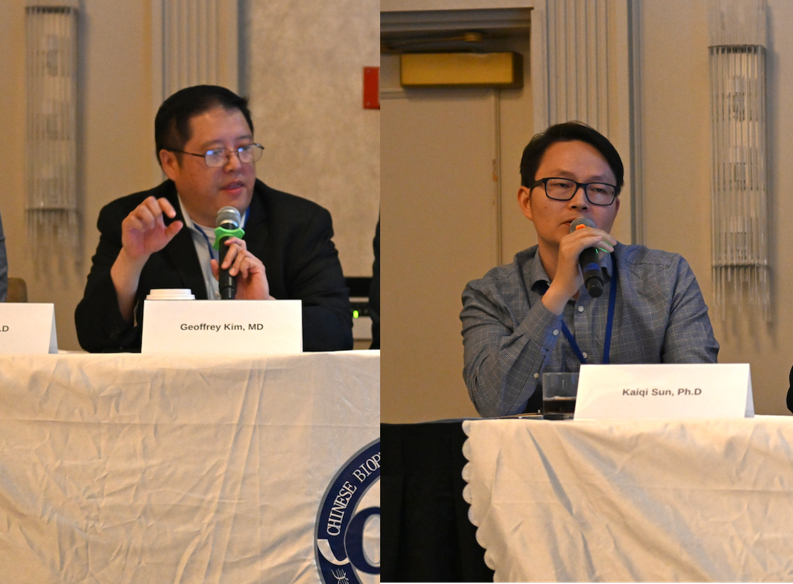
  • During the roundtable, Dr. Geoffrey Kim (Biotech entrepreneur) and Dr. Kaiqi Sun (Head of China at GondolaBio) dove deeper into topics like Chinese innovative drugs going global, BD cooperation models, and cross-border innovation opportunities in the AI era.

The forum unanimously agreed that despite a challenging global environment, scientific innovation and industrial cooperation will continue to propel steady growth in the Sino-US biopharmaceutical space.

Session 4C Lake Side Discussion

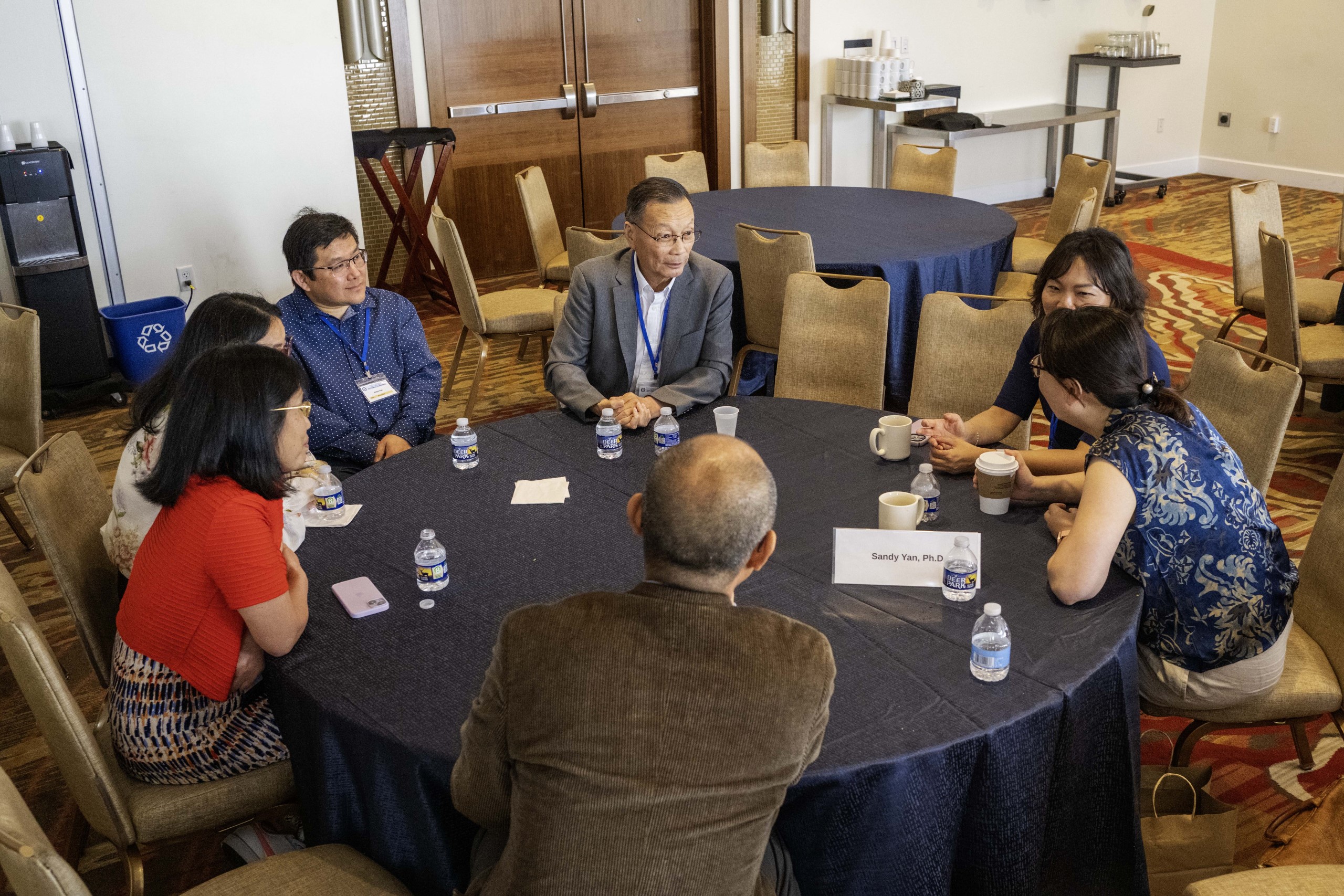
The “Drug R&D Innovation” breakout session (4C) of the CBA Annual Conference was chaired by Dr. Zedong Dong (Founder and Principal Consultant of 28A Consulting). Panelists included Dr. Zedong Dong, Dr. Yingxian Xiao (CBA Former President, Potomac Pharmaceuticals), Dr. Sandy Yan (Henlius Biotech), and Dr. Xinrong Chen (ABC Toxicology Consulting).

The panel discussed drug R&D innovation, regulatory science, New Approach Methodologies (NAMs), and emerging trends in the US-China pharmaceutical sector. Dr. Dong shared his experience regarding drug impurities and sponsor-FDA interactions. Dr. Chen discussed the global shortage of non-human primates and the growing adoption of NAMs in non-clinical safety assessments. Dr. Xiao reviewed his journey from academia to becoming a biotech entrepreneur alongside the global expansion of Chinese pharma. Dr. Yan pulled from her dual experience across the FDA and the private sector to offer key regulatory insights. Together, the experts illustrated how scientific innovation, regulatory demands, and industry trends are shaping the future of drug development.

In the segment “Investor Relations (IR) and Public Relations (PR) in Drug R&D,” Dr. Patrick Lu (CBA Founding President), Dr. Chao Liu (Co-Founder of a stealth drug development company), and Dr. Yue Wang (Vice President of Hansoh Bio) shared real-world case studies and engaged in high-quality, frequent exchanges on crisis communication and market value management. Attendees raised practical challenges, such as information alignment between IR and PR departments and timing for public responses, while sharing actionable insights on cross-functional collaboration.

The panel engaged in a lively debate on critical topics, including the impact of digital media on shareholder communications and the credibility of ESG (Environmental, Social, and Governance) disclosures. This session significantly deepened collective understanding of the synergies between IR and PR, laying a solid foundation and directing the path for upcoming simulation drills.

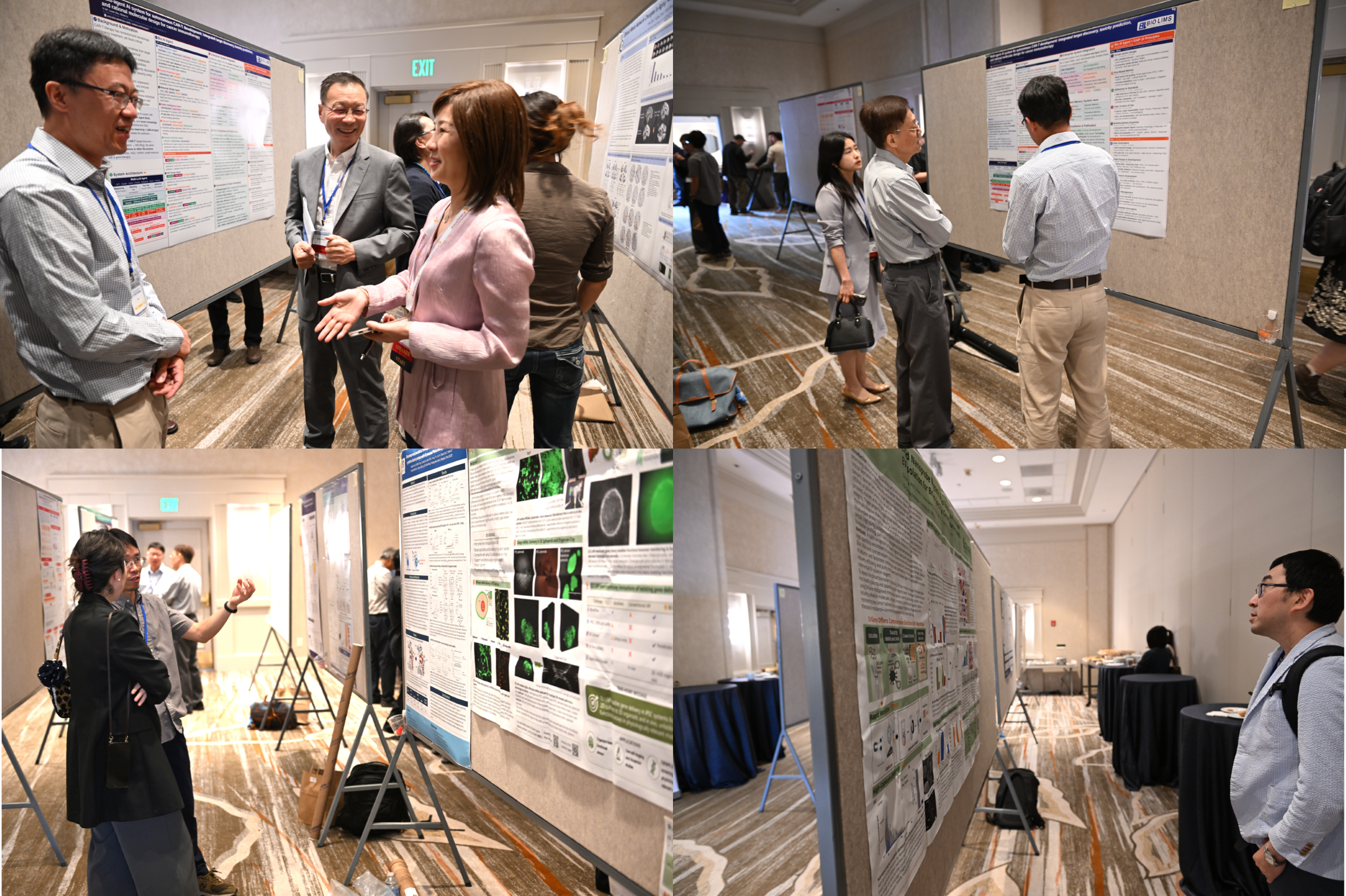
Scientific Poster Showcase and Competition

As a brand-new segment introduced at this annual conference, the Poster Session successfully drew active participation from domestic and international research institutions and innovative companies—including Westlake University, AmpSeq, Bio LIMS INC, Biointron, GenuIN Biotechnologies LLC, HitChem Ltd, MoleculeMind, Allele Biotechnology, OriGene Technology, and SynAgentics Biosciences. A total of 12 high-quality academic posters were displayed. Additionally, several high school students presented their research projects, injecting youthful vitality and innovative perspectives into the conference.
The poster exhibition spanned multiple cutting-edge frontiers, including AI-driven drug R&D, high-throughput molecular glue screening, multi-omics research, mechanisms of neurodegenerative diseases, and novel lipid nanoprobe technologies, reflecting the immense breadth and depth of life sciences and biopharmaceutical innovation. The high-caliber research and carefully designed layouts drew many attendees for vibrant, in-depth academic discussions.

The poster evaluation committee was composed of past CBA presidents Patrick Lu, Zhiping Wei, and Yingxian Xiao, along with CBA expert panel members Hongjun Yang, Wei Zhang, and Ke Zhang. The judges comprehensively evaluated the projects across multiple dimensions—including research innovation, scientific rigor, translational potential, and presentation delivery—and provided professional, constructive feedback to the presenters.

Following careful deliberation by the evaluation committee, the award recipients were announced:

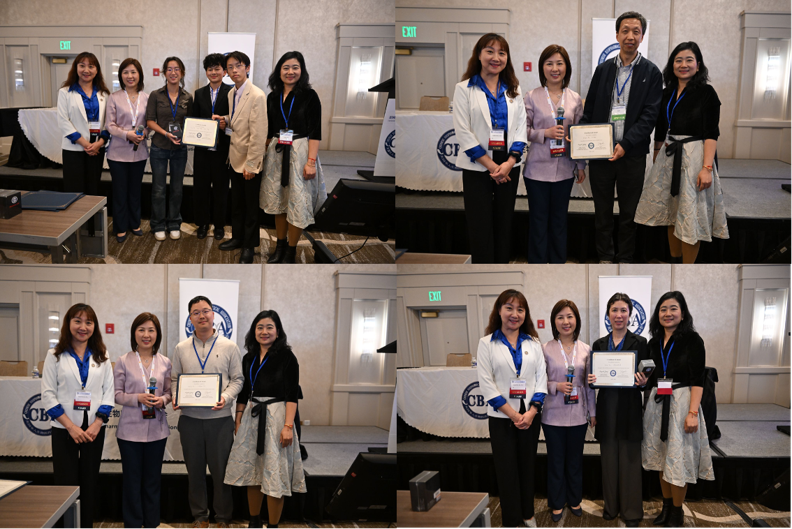
  • CBA Best Poster Award: Qiuyan Ma (OriGene Technology)
  • Innovation Excellence Award: Zhenyu Wu (HitChem Ltd)
  • Translational Impact Award: Jinbo Xu (MoleculeMind)
  • Best Presentation Award: Haoming Zhai (Biointron)
  • Rising Scientist Award: High school project team members Yiren Zhu, Yuzhou Zheng, and Jacob Xiong
The award ceremony was co-chaired by CBA President Dr. Angela Zeng, Immediate-Past President Dr. Angela Men, and President-Elect Dr. Qing Li. As a major innovative trial for this conference, the Poster Session not only gave researchers, industry representatives, and young students a prime platform to showcase innovative achievements, but also fostered academic exchange, industry collaboration, and youth talent cultivation, cementing itself as a highlight of the annual meeting.
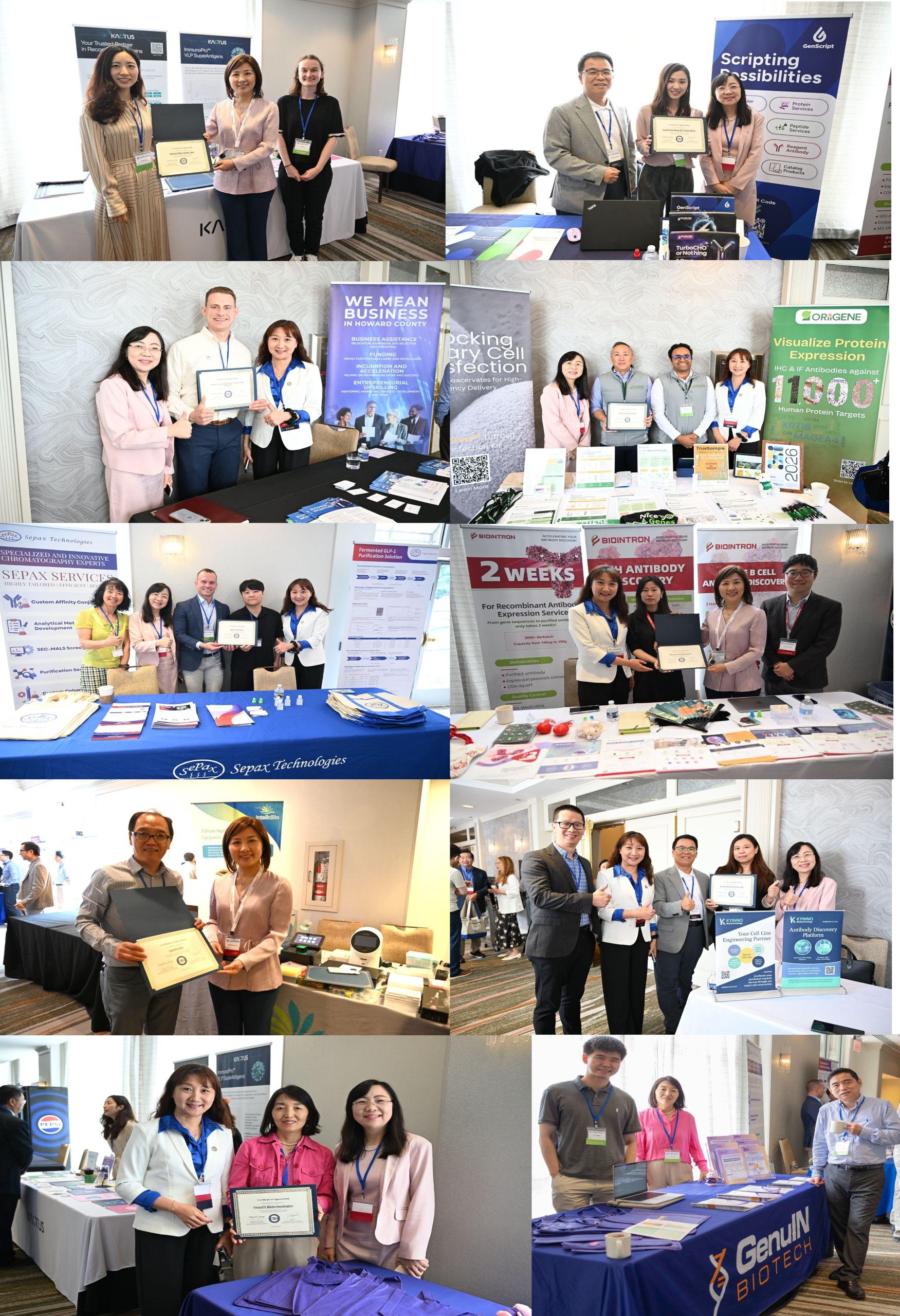
Sponsor Show

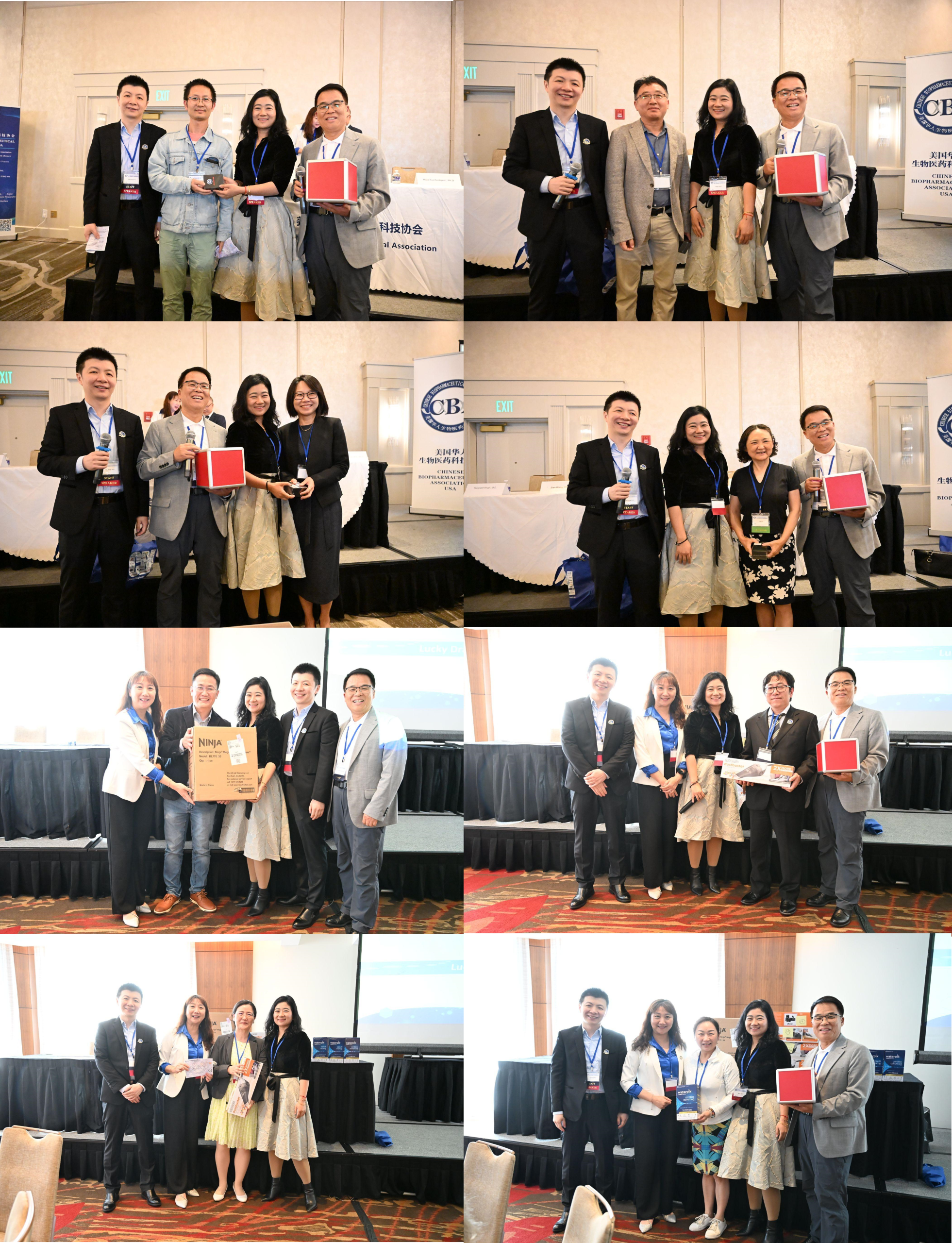
The CBA Annual Conference enjoyed enthusiastic participation from numerous partners and sponsors. During the event, the CBA issued certificates to them to express its most sincere gratitude for their long-standing trust and strong support. It is precisely through the collective efforts of all parties that a top-tier exchange and cooperation platform has been established for the biopharmaceutical field, fostering deep interactions among industry, academia, and investment circles, and making crucial contributions to the growth of the biopharmaceutical innovation ecosystem.

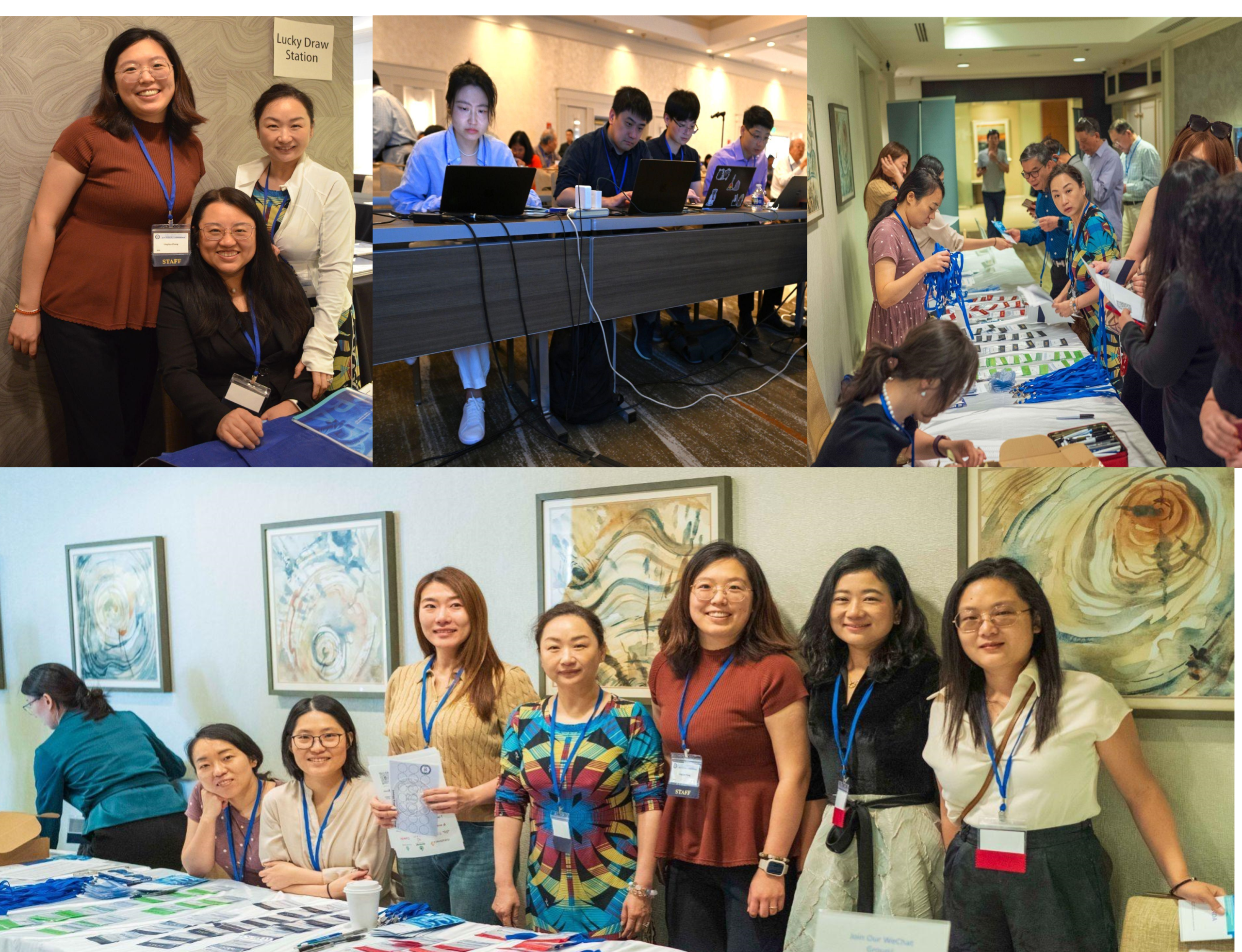
Lucky Draw

The highly popular Lucky Draw activity added a relaxed and joyful atmosphere to an otherwise intense and fulfilling schedule. The wide array of exquisite prizes and the exciting drawing segments drew active participation from many guests, filling the venue with laughter and cheer. The draw brought surprise and joy to the attendees while enhancing networking, interaction, and a sense of community cohesion. As the lucky numbers were revealed one by one, waves of applause and cheers swept the room, driving the conference’s atmosphere to successive peaks.

Closing Remarks

To conclude the conference, CBA President-Elect Dr. Qing Li delivered the closing remarks on behalf of the Chinese Biopharmaceutical Association (CBA), bringing the annual meeting to a successful end. She highly summarized the fruitful achievements of the day, pointing out that biopharmaceutical innovation is never an island; rather, it requires academia, industry, regulatory agencies, and clinical sectors to work hand in hand, anchored by excellent scientific research, global collaboration, and knowledge sharing.

Dr. Li expressed heartfelt thanks to all the speakers who shared their insights, the sponsors and partners who provided unwavering support, the dedicated organizing committee and volunteers, and the warmly interactive attendees. She encouraged everyone to carry forward the spirit of this conference, continue embracing innovation, and deepen cross-border and cross-disciplinary exchanges to collectively push scientific progress forward for the benefit of patients worldwide. She expressed her anticipation to reunite with colleagues from all sectors at future CBA events to co-create more industry opportunities.

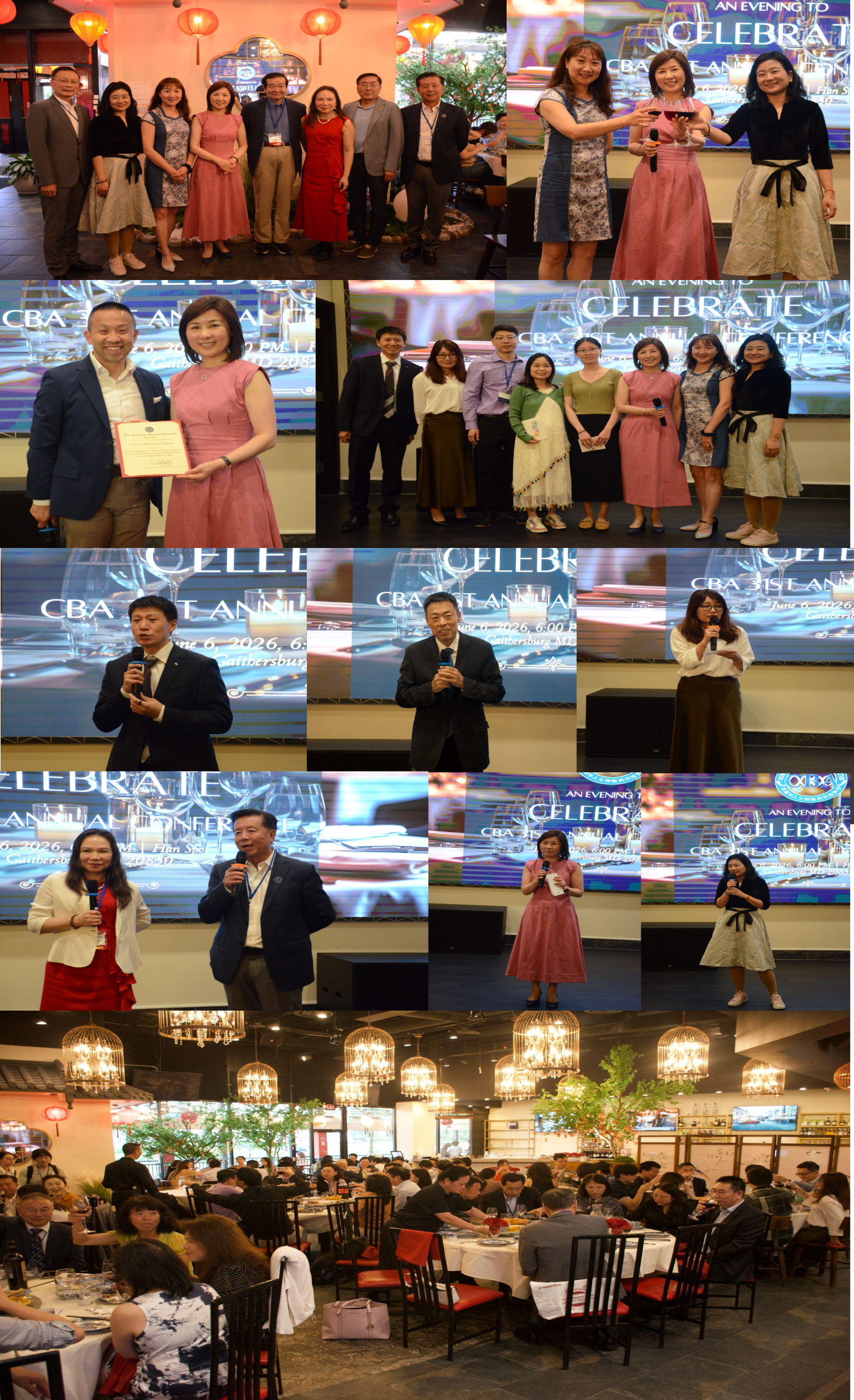
31st Annual Conference Dinner

Following the conclusion of the main conference, the CBA hosted the 31st Annual Conference Dinner, inviting speakers, sponsors, corporate representatives, scientific researchers, and volunteers to attend. The dinner provided an open and relaxed social setting, enabling guests to continue sharing industry insights, exploring collaboration opportunities, and building new professional relationships outside the formal sessions.

As one of the conference’s premier social functions, the dinner fully embodied the “Community Building” philosophy long championed by the CBA. Many attendees deepened their interactions and connections within this lighthearted atmosphere, laying a solid foundation for future cross-institutional, cross-sector, and cross-border innovative collaborations.

Acknowledgements

The success of the 31st CBA Annual Conference would not have been possible without the hard work and dedication of countless volunteers, staff members, and partners.

  • Special thanks to the CBA Promotion Group for their outstanding contributions to conference promotion, media operations, brand building, conference coordination, and post-event reporting. The compilation and release of this conference report received substantial support and collaboration from its members.
  • Thanks to the CBA IT Group for providing rock-solid support in conference website maintenance, registration system development, online and offline technical assistance, and information platform construction, ensuring all tasks ran smoothly.
  • Thanks to the CBA Logistics Group for their tireless work in venue coordination, registration reception, guest hospitality, on-site operations, and various meeting safeguards, offering robust support for the smooth progression of the conference.
  • Thanks to the CBA Business Development Group for their major contributions to sponsor collaborations, partner liaisons, corporate resource matching, and industrial exchange promotion, establishing an even richer platform for cooperation and dialogue.
  • Thanks to the CBA Information Group for their active contributions to conference announcements, content organization, promotional support, and association-wide communication, providing vital backing for timely information distribution and attendee interaction.
  • Thanks to the CBA Leadership Team, Board Members, and Past Presidents for their expert guidance and support. It is their long-term dedication and commitment to the association’s development that has driven the CBA’s continuous growth and its ongoing role as a vital bridge connecting academia, industry, and regulatory bodies.
  • Special thanks to conference photographers Hong Sun, Youlin Qi, Weiwen Sun, and Shen Zhong for fully capturing the wonderful moments of the meeting and leaving behind precious, vivid visual records for this year’s annual conference.
  • At the same time, thanks to all speakers, moderators, sponsors, partners, judges, volunteers, and attending guests for their active participation and support. Through everyone’s joint efforts, the 31st CBA Annual Conference became a highly professional, top-quality, and deeply impactful industry event.

Passing the torch for thirty-one years, the pursuit of innovation never rests. Looking toward the future, the CBA will continue to act as a vital bridge connecting academia, industry, and regulatory agencies. It will work hand in hand with global biopharmaceutical colleagues to jointly drive innovative development in drug discovery and development in the era of artificial intelligence. See you all next year!

About CBA

The Chinese Biopharmaceutical Association (CBA, www.cba-usa.org), founded in 1995, is an independent, non-governmental, and non-profit professional organization. It is one of the largest Chinese-American professional and technical associations in the United States, with a mission to bridge science and innovation in the Chinese and US biopharmaceutical industries. Headquartered in the Washington, D.C. metropolitan area, CBA has four chapters located in Boston, Philadelphia, Canada, and Suzhou, China. CBA has more than 10,000 individual members and nearly 100 corporate and institutional members worldwide, including experts, scholars, and enterprises across various countries and regions such as the United States, China, Europe, Canada, Australia, Singapore, and Japan.

For over 30 years, CBA has consistently adhered to its mission of enhancing communication and cooperation among biopharmaceutical professionals. It is committed to promoting the development of the human life and health industry, effectively fostering business cooperation and partnerships across different countries and regions—particularly between China and the United States. It has served as an incubator for talent and entrepreneurs, establishing an environment for the collaborative growth, innovation, and entrepreneurship of biopharmaceutical companies and research institutions. Over the years, CBA has continuously hosted or co-organized US-China annual conferences, specialized workshops, seminars, and networking events, providing a platform for professionals to share expertise, engage in advanced learning, lead industry development, build networks, and seek career advancement. With the dedication of CBA members and the continuous support of sponsors over the years, CBA has grown and expanded year by year.

Walking together through 30 years of wind and rain, members of the CBA family are working hard to further promote the exchange of biopharmaceutical talent and projects between China and the US, as well as the development and commercialization of innovative medical products. These areas encompass COVID-19 vaccines, novel anti-tumor drugs and antibodies, nucleic acid drugs, human longevity and health, microbial molecular diagnostics, gene therapy, cell therapy, AI big data and precision medicine, modern biopharmaceutical facilities, laws, regulations and regulatory guidelines, and various investment funds for research or industrial development. These efforts aim to meet the clinical needs for the prevention and treatment of various diseases in the global market, contributing in multi-faceted ways to serve patients and benefit humanity. Within the ranks of innovation and entrepreneurship, a large number of outstanding, practical entrepreneurs and investors have emerged among CBA’s presidents and members, achieving remarkable success. At the same time, they have made numerous outstanding contributions to scientific and technological exchanges between China and the US, particularly in the field of biopharmaceuticals.

Individual and Corporate CBA Member Registration

CBA sincerely invites you to join the CBA family!

QR Code for Individual and Corporate Member Registration:

Inviting CBA Partners

We sincerely invite colleagues, enterprises, and institutions worldwide who are interested in participating in science and innovation within the Chinese and US biopharmaceutical industries, have high-quality projects, products, and services, and wish to showcase and promote them, to join us!

Partners of CBA will deeply participate in multiple conferences and major events organized by CBA on numerous occasions, gaining opportunities for “multi-layered promotion.” The future global biopharmaceutical and healthcare industries face many challenges and opportunities. CBA looks forward to joining hands with both new and old partners for win-win outcomes, continuing to ride the waves, forge ahead, actively prepare, and jointly welcome new opportunities and challenges! For more detailed information, please consult and contact Dr. Qing Li from the organizing committee (qing.li@cba-usa.org) or follow the official CBA WeChat account.

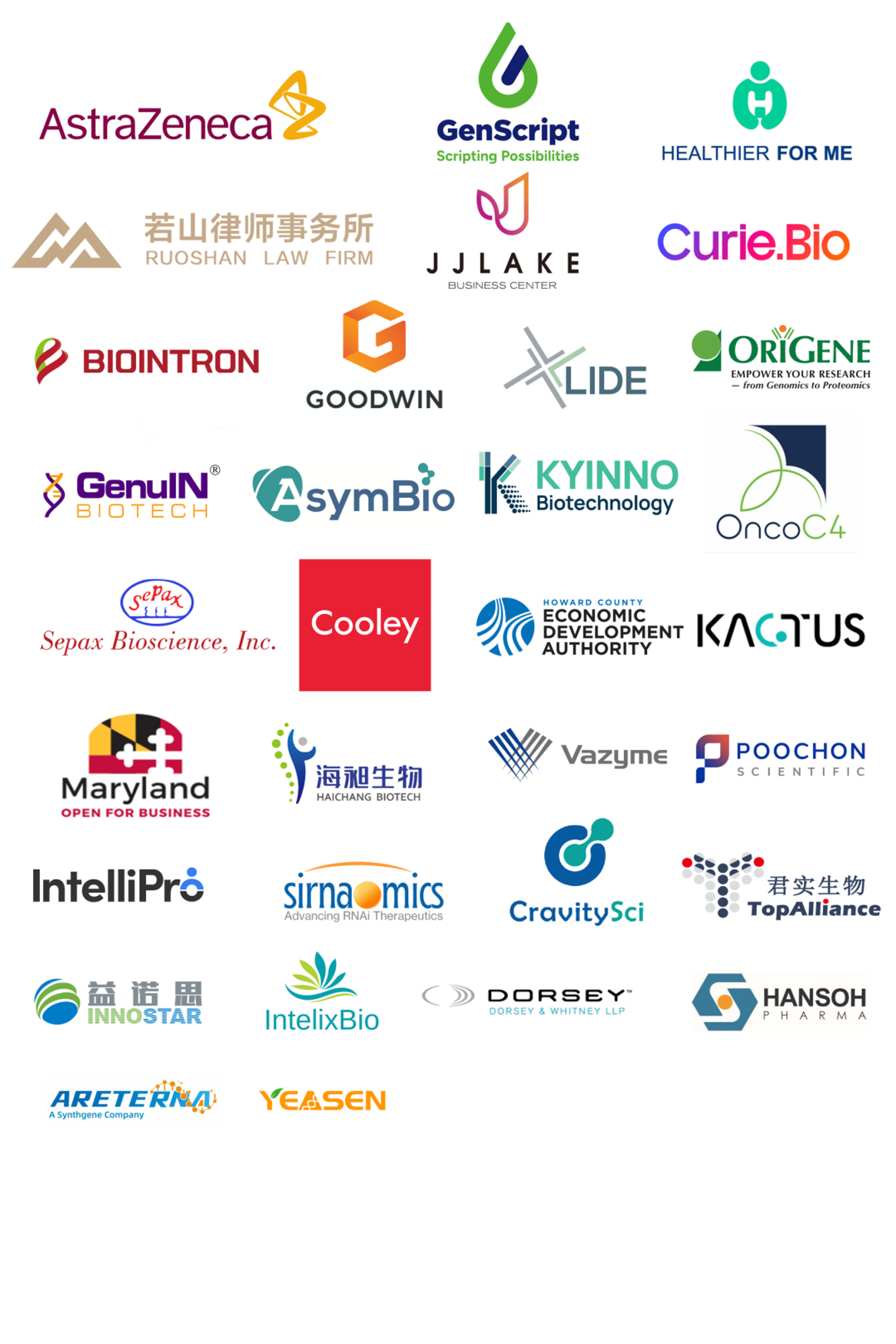
Sponsors and Partners

CBA expresses its heartfelt gratitude to all sponsors and partners for their strong support!