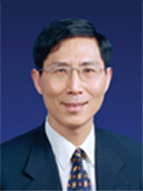
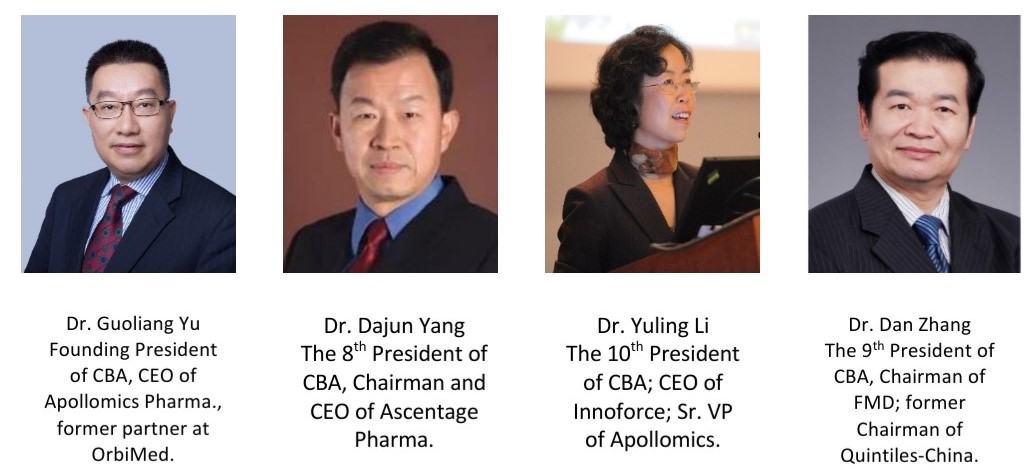
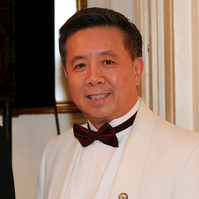
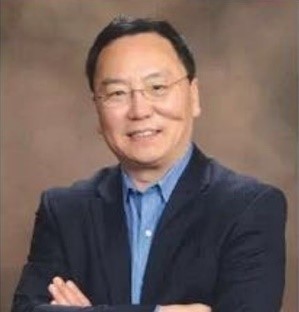
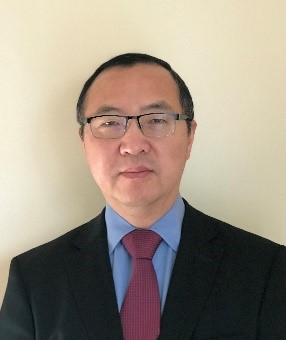
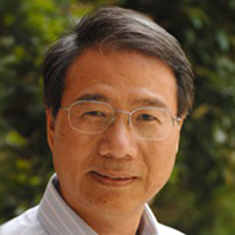
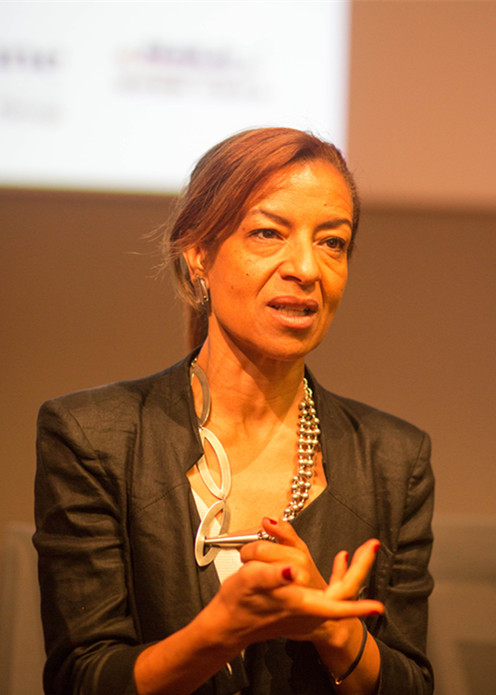
Dr. Kaixian Chen (陈凯先), a member of Chinese Academy of Sciences, has recently accepted the invitation to join our organization as a CBA Scientific Advisor.
Dr. Kaixian Chen has committed himself to research in the areas of organic chemistry, medicinal chemistry and drug design for many years. Through theoretical calculation and molecular modeling, his group has developed and improved many methods and techniques for drug design, studied in depth structure-function relationships of many biological macromolecules, structure-activity relationships as well as mechanism of action of a significant number of biologically active small molecules. Focusing on a series of important drug targets, his team has conducted high throughput virtual screenings, lead discovery researches, prediction and design of biological active small molecules. Through these studies, Dr. Chen has promoted the interdisciplinary exchanges and integrations among medicinal chemistry, life sciences, computer science and informatics, achieving a contribution towards innovative drug research in China.
CBA is very honored to have Dr. Chen join us at the 20th Annual Conference of CBA (2015, China). Dr. Chen’s thought-provoking lecture attributes tremendously to the success of this 20th anniversary event of CBA.
Since its founding over 20 years ago, CBA has been serving as a bridge between US and China in the field of bio-med research with the goal of bringing new pharmaceutical agents to commercial development and healthcare market. Among many US-based professional societies and associations, CBA stands out as one of the most active, vibrant and engaging organizations. Dr. Kaixian Chen’s wealth of scientific knowledge and experience in scientific communities will be a great asset to CBA’s future growth and our continued involvement in scientific research and biopharmaceutical development.
Again, we are very honored and excited to have Dr. Kaixian Chen as a valuable addition to the CBA team. We look forward to working with Dr. Chen to take CBA to a higher level in the future.
CBA-USA Successfully Held the Fourth Biopharmaceutical Development Workshop on February 19, 2017 in Maryland, USA
2016-2017 Workshop series-4
Entrepreneurs in Biopharmaceutical field
Sharing experience and advising your real start-up plan
CBA-USA successfully organized the fourth seminar of biopharmaceutical development workshop on February 19, 2017. This event is co-sponsored by Chinese Culture and Community Service Center (CCACC), Chinese Students and Scholars Association at the National Institute of Health (NIH-CSSA) and American Society for Quality-Washington DC and Maryland Metro, Section 509. Nearly 80 professionals attended the forth work shop at CCACC in Gaithersburg, Maryland.
CBA currently has over 3000 registered individual members (www.cba-USA.org).The goal of this series of CBA workshops is to provide opportunities for biomedical professionals to gain a deeper understanding of drug development and marketing approval. At the same time, the CBA workshop is a unique networking platform for local biomedical professionals. Speakers and attendees will have opportunities to discuss the current state-of-art practice, future directions, and career development in biopharmaceutical field.
The forth workshop focused on how to successfully start, run and grow your biopharmaceutical companies. We invited four entrepreneurs from biopharmaceutical industry, ranging from small start-ups to multinational biotech and contract research organization (CRO). The speakers presented their distinguished backgrounds and past achievements, as well as successful and failed stories during entrepreneurship. Further, valuable advice and guidance were shared for future entrepreneurs. Markedly, family support is critical for running a successful business.
Dr. Dazhi Lai, founder of SPEED Biosystems, started his reagent service company after being frustrated as a postdoctoral researcher in Yale University and the NIH. He mentioned that entrepreneurship not only gives him financial reward, but also promotes his spirituality. Next, Mr. Charles Li, senior director of Poochon Scientific LLC, presented their sophisticated business model of how to identify customers, expand market and practically analyze profit. The third speaker is previous CBA president Patrick Y. Lu. Currently, he is founder, president and CEO of Sirnaomics, Inc.in Rockville, Maryland and chairman of board of directors of Suzhou Sirnaomics Pharmaceuticals, Ltd. in Biobay, SIP, China. Dr. Lu showed his impressive 20 years’ drug discovery and development trip to potentially the first RNAi based therapy, which could be used for treatment of many diseases. At the same time, Dr. Lu has published many top-class research articles and applied for many patents. The last speaker Dr. Dan Zhang is chairman of board of directors of Fountain Medical Development. He also served as CBA president previously. Dr. Zhang shared his unique experience in working with both governments and venture capitals in China. His company is one of the largest CROs in China. Dr. Zhang shared his insight into current biopharmaceutical industry in China. During lunch and network time, participants had good communications with each other. At the end of the workshop, Drs. Frank Li and George Chang hosted the panel discussion and lottery.
CBA is dedicated to bridging the Chinese and US biopharmaceutical industries. We will continue to organize the bimonthly workshop. CBA will organize career development workshop and job fair in April. The 2017 CBA annual conference will be in June. We will post more information in the following month. Please stay tuned. If you have any advice for this event, please feel free to contactcontact@cba-usa.org.
注册后,你将收到确认的电子邮件,还会告诉你参会的具体信息。After registering, you will receive a confirmation email containing information about joining the meeting.
讲座内容: 1. 新冠病毒的药物研发与公众科普
Yebin Zhou, Ph.D. Dr. Zhou was trained as a geneticist and immunologist at University of Alabama at Birmingham. He completed his postdoc training in autoimmune research at MedImmune, AstraZenecca. Since then, Dr. Zhou has joined AbbVie as a senior scientist in Immuno-Oncology. In his spare time, Dr. Zhou also enjoyed writing popular science online.
2. Remdesivir临床试验的解析及新冠肺炎疫情应对的探讨
Angela Zeng, M.D., Ph.D., Vice president of CBA, Clinical Study Physician in Ascentage Pharma. Dr. Zeng is a well-trained surgeon and medical scientist. She has near 20 years’ experience in clinical medicine and currently serves as a study physician leading global clinical trials for early development of new drugs.
3. 中美新冠病毒临床试验之比较
Dan Zhang, MD, MPH, the Executive Chairman of Fountain Medical Development (FMD), a clinical CRO with 1700 employees operating in China, Hong Kong, Taiwan, South Korea, Japan, UK, India, Philippines, Armenia & USA. He also served as General Secretary of “Thousands of Talents Program”.Before founding FMD in 2007, Dr. Zhang was the Head of Clinical Development and Head of Safety Assessment at Sigma-Tau Research Inc., a leading Italian Pharmaceutical Company. Prior to that, he was the Vice President at the Quintiles Transnational Corp., the world largest clinical CRO, and Chairman of Quintiles Medical Development (Shanghai) Company Ltd.
2020初始,新型肺炎疫情的进展速度超出了大家的预期。位于美国首都华盛顿的美国华人生物医药科技协会(CBA),本计划在大年初一举行一年一度的庆祝中国新年的盛装酒会。考虑到在大华府地区久负盛名的CBA Chinese New Year Gala规模大(近200人聚会),层次高(嘉宾包括联邦,州,郡和驻美使馆的官员和议员,各大公司主管以及著名艺术家),专业强(成员都是生物医药方面的专家),我们果断取消了这次酒会。这样的果断决定得到了全体嘉宾的由衷支持和感谢!
在疫情肆虐的非常时期,为了尽快地得到控制,美国FDA会有一套变通的做法,包括允许使用一些还没有被FDA批准的药物,或者用在还没有被批准的适应症上。但FDA的具体规定如何呢?CBA第二十三任会长,美国BLA Regulatory公司的李利博士加班加点,果断地把FDA的Emergency Use Authorization (EUA)法规翻译成中文,并无偿提供给国内的制药企业和政府机关参考和借鉴。该法规的中文文本可以联系CBA免费索取。
After registering, you will receive a confirmation email containing information about joining the meeting. 注册后,你将收到确认的电子邮件,还会告诉你参会的具体信息。
讲座内容:
报告1:RNAi技术是开发治疗新冠肺炎创新药物的有效方法
报告人:陆阳 博士
Patrick Lu, PhD, CEO and Chairman of Sirnaomics Inc., the 2nd President of CBA. Dr. Lu and his team have developed RNAi technology to fight against respiratory tract viruses during the outbreak of SARS, H1N1 and its further development can work towards Coronavirus.
报告2:预防新冠肺炎的疫苗研发和防疫的中长期规划
报告人:巢守柏 博士
Shoubai Chao, PhD, COO of CanSino Biologics Inc., the 20th President of CBA. Dr. Chao and his team have been working on the recombinant Ebola vaccine that has been approved in China. Now he is focusing on the vaccine for SARS-CoV-2.
点评嘉宾:陆杭 博士
Dr. Hang Lu is CBA VP of Science Project and the director of BioAssay at Emergent BioSolutions and has been working in vaccine development at Emergent BioSolutions and Merck for ~ 20 years. He has contributed to the development of several traditional and new generation vaccines from the preclinical to post approval in USA.
请关注下一讲:关于Remdesivir的临床研究 (3月4日8:30 pm of Eastern Time)
3月11日美国东部时间晚9点,美国华人生物医药科技协会(CBA)抗击新型冠状病毒知识系列线上讲座第四讲在听众们的一片期待中如期准时开始。这次讲座在CBA前会长李利博士的主持下,第一位演讲嘉宾是中国生物工程学会精准医学专委会联席主任杨宏钧博士,他也是CBA的老战士,多年来一直活跃于中美两国的生物医药事业的舞台上,对中美两国生物医药领域的创新创业、商务发展、交流合作及人才培养等诸多领域做出杰出贡献。杨博士的演讲以“A Comparison of Detection Methods of SARS-CoV-2 ”为题,详细比较了现行可用的几种检测方法在COVID-19疫情爆发中的应用。他首先带领听众简略回顾了SARS-CoV-2的基因结构及形态学特征,强调spike 蛋白的重要性,然后简略介绍了qRT-PCR、宏基因组新一代测序(mNGS)、胸部 CT、抗体免疫检测、CRISPR‘s Sherlock 系统及ddPCR共六种检测方法。接下来,杨博士为在线听众们一一解析了6种方法的优缺点,如RT-PCR的敏感度受探针和引物的设计,病人发病的时期,鼻、咽拭子采样、分离、标本的储存及运送过程,试剂的活性,操作人员的培训和熟练程度,实验室的整个管理等诸因素的影响都有很大的关系。他以一个1049例患者进行RT-PCR及胸部CT的比较,阐述了RT-PCR的假阴性问题,提出应将RT-PCR与CT相结合从而降低漏检率。在分析抗体免疫检测时,杨博士分析了不同抗体IgM及IgG产生的时间先后,结合自身经验总结胶体金试纸条的测试快捷、简单,可以在15分钟就得到结果,而且还不需要专职人员操作,适合大范围患者群体的初筛。而宏基因组新一代测序 (mNGS),在精准测序的基础上,与大数据相结合,把所有环境微生物中的相关基因组信息整合在一起,从而尽快找出疾病的起源,但是这一先进的技术过程较复杂,耗时相对较长,所以仅适用于高度疑似病例的确诊。在介绍CRISPR’s SHERLOCK 系统时,杨博士详细介绍了CRISPR是近年基因编辑技术发展的新亮点,而SHERLOCK系统是哈佛大学张锋院士应用CRISPR检测病毒的最新方法。该方法曾在检测寨卡病毒时取得空前的成功。这次,张锋院士又把该方法应用于新冠病毒的检测。针对RNA及dsDNA病原的不同特征,杨博士借助形象的示意图,简明、清晰地介绍了这个检测系统的原理,并且高度评价这个检测方法的高度灵敏性,甚至可以检测到低至10-18M的样本量,同时兼具高度的特异性,尤其是该方法还突破了现有核酸检测指南的规定,以最具新冠病毒特征的Spike蛋白的RNA片段为检测目标。遗憾的是这一创新的检测手段尚未经过临床验证,也未获得FDA批准,我们只能期待不久的将来可以应用于这类应急
这次讲座的第二位嘉宾是北美华人临床化学家协会候任会长王永强博士。王博士曾担任研发经理、CAP认证实验室临床实验室主任等。他以“Viral Sample Management and Biological Safety”为题,分析指出COVID-19临床样本的社区采样很关键,而且采样后应保存于4摄氏度容器,并需要在采样后4小时内送检,否则容易发生RNA降解。王博士也再次强调医护人员应加强自我保护。在讲到临床实验室的检测时,王博士介绍了FDA通过的EUA中的体外诊断(IVD)及CLIA认证的LDT即实验室自行开发的技术;他详细为听众们介绍了CLIA(临床实验室改善修改条例)的法规标准及强化的领域(如实验人员资质要求,质控标准及执行标准等);同时,王博士也详尽介绍了在欧洲应用非常广泛的ISO15189标准,同时这也是在160多个国家共用的国际性的标准;这个系统在保证通用原则不变的情况下,也给各个单独的实验室提供了一定的灵活性。最后,王博士重点强调了CAP(美国病理学家学院)的系统及认证,指出如果同时具备CAP及ISO5189认证,那就表明此实验室已经进入全球顶端1%的范围,由此可见此两种认证的高标准。
嘉宾:Dr. Zhiming Zheng, NCI/NIH和Dr. Helen Schiltz, NIAID/NIH
庚子伊始,正值中国传统佳节春节来临之际,一场突如其来的“2019新型冠状病毒”疫情向我们无情袭来,不断蔓延的疫情更是牵动了无数CBA成员和朋友们的心,许多我们熟知CBA的骨干企业及个人,已经直接或间接地投入到了这场没有硝烟的战斗中! 抗疫情,CBA在行动!作为CBA抗疫行动的一部分,CBA Biomarker Study Group 和CBA Clinical and Regulatory Affair Study group 决定联合举办抗击新型冠状病毒知识系列讲座(CBA Anti-Coronavirus Webinar Series)。这个系列讲座将就大家关注的新型冠状病毒的科学知识,流行病防控战略和机制,抗病毒药物制备和临床试验,病毒检测方法和应用,特殊时期FDA的药政法规等一系列问题,邀请本地的专家、学者、政府官员、企业家、工程技术人员来分享他们的真知灼见,并回答大家的问题。这个讲座将对CBA及社会公众开放,听众可用Zoom来加入。
Meeting ID: 470 329 093(Participants from China are encouraged to use PC voice and review shared screen)One tap mobile+16699006833,,470329093# US (San Jose)+19294362866,,470329093# US (New York) Find your local number: https://zoom.us/u/aoTc33reQ
Dr. Guoping Zhao has accepted to be a CBA Scientific Advisor
Dear CBA members, supporters and friends,
We have a very exciting news to share with you all!
Dr. Guoping Zhao (赵国屏), a member of Chinese Academy of Sciences, has accepted the invitation to join our organization as a CBA Scientific Advisor. Dr. Guoping Zhao is a molecular microbiologist in Shanghai Institute of Plant Physiology and Ecology (SIPPE), Shanghai Institutes for Biological Sciences (SIBS), Chinese Academy of Sciences. Dr. Zhao was Born in Shanghai and received his bachelors in microbiology from Fudan University in 1982 and his doctorate in biochemistry from Purdue University in 1990. He is currently the Executive Director of the China National Human Genome Center at Shanghai, a Director of Shanghai Biochips, a Director of the Chinese Society for Microbiology and Biotechnology, and the Vice Chairman of the Shanghai Society for Microbiology. In 2005 he was elected to the Chinese Academy of Sciences.
Dr. Zhao studies the correlation between microbial metabolic regulation and the structure and function of enzymes as well as the reaction mechanism to develop the microbial and protein biotechnology engineering. Dr. Zhao is a leading scientist in the area of microbial genome and functional genomics research, where among other things he completed the whole genome sequencing and annotation for leptospira interrogans, identified a number of key metabolic pathways and gene functions, which led to new ideas for studying pathogenic mechanisms. Dr. Zhao led the molecular epidemiology of SARS and SARS coronavirus evolution research and built a solid foundation for understanding the animal origins of viruses and the genome variation rules when they are spread from animal to human.
CBA is very honored to have Dr. Zhao join us at the 20th Annual Conference of CBA (2015, China). Dr. Zhao’s thought-provoking lecture attributes tremendously to the success of this 20th anniversary event of CBA.
Since its founding 20 years ago, CBA has been serving as a bridge between US and China in the field of bio-med research with the goal of bringing new pharmaceutical agents to commercial development and healthcare market. Among many US-based professional societies and associations, CBA stands out as one of the most active, vibrant and engaging organizations. Dr. Guoping Zhao’s wealth of scientific knowledge and experience in both US and Chinese scientific communities will be a great asset to CBA’s future growth and our continued involvement in scientific research and biopharmaceutical development in both countries.
Again, we are very honored and excited to have Dr. Guoping Zhao as a valuable addition to the CBA team. We look forward to working with Dr. Zhao to take CBA to a higher level.
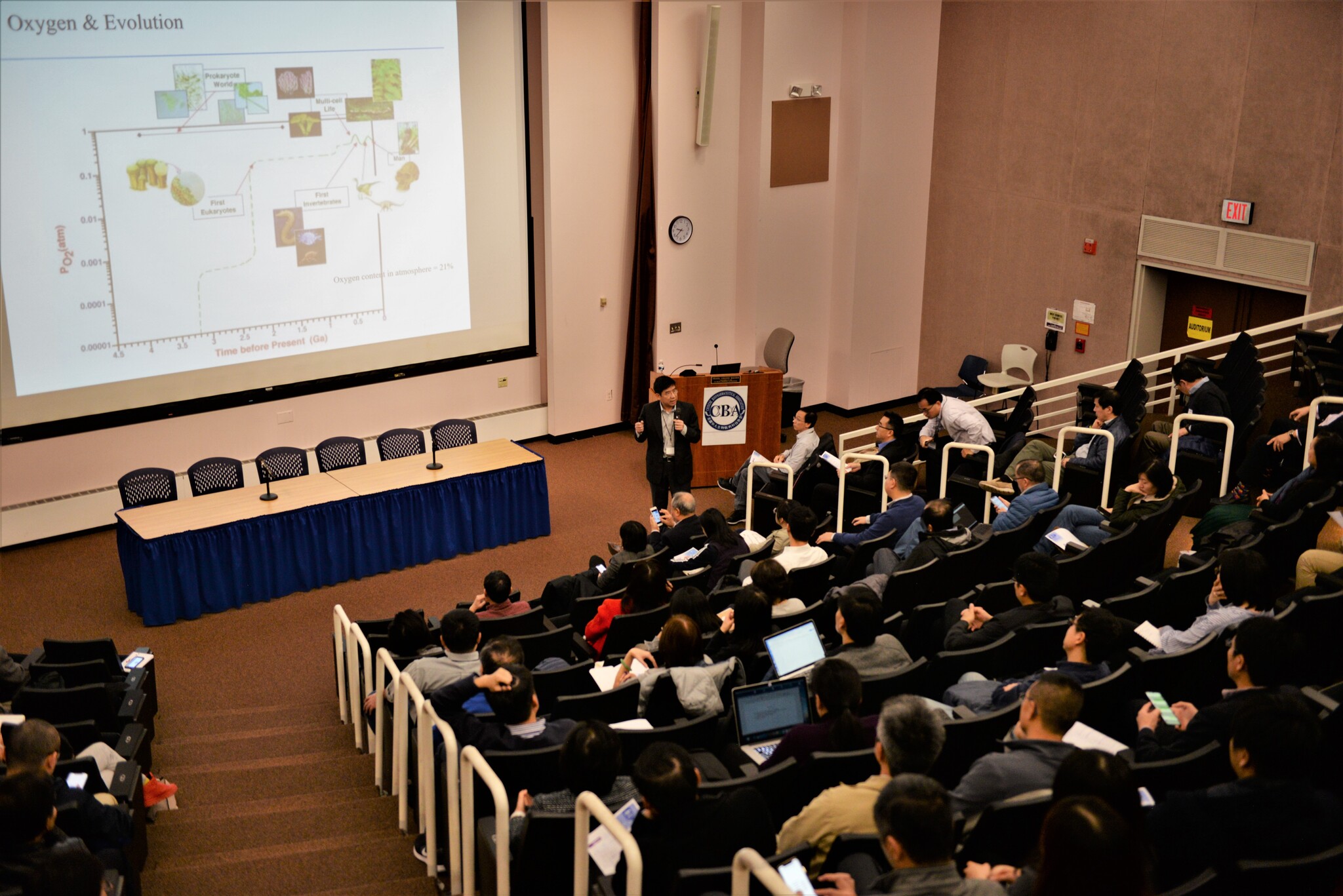
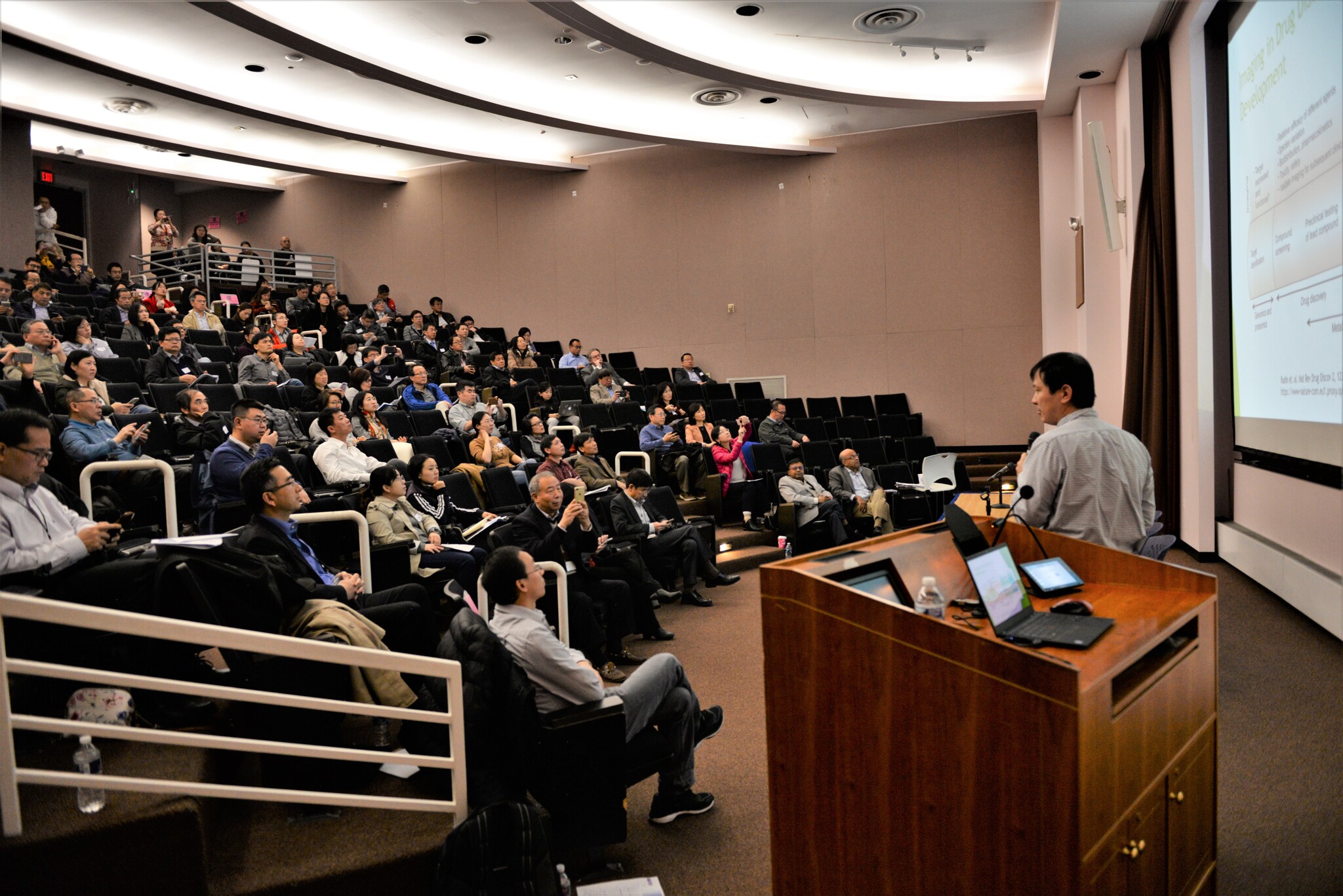
CBA 2019 Fall Symposium Ended with Great Success The long-awaited CBA 2019 Fall Symposium just closed its 1 day event with great success at Johns Hopkins Montgomery County campus on the past Saturday, Nov. 23th, 2019. Hosted by CBA (Chinese Biopharmaceutical Association), this symposium has attracted over 200 attendees to this intensive and very informative event. Speakers invited by CBA came from areas crossing Maryland to Boston, from industry and government representatives, and also patient advocate. Hot topics in biopharmaceutical area were covered and heated discussions were raised between speakers and audience.
This symposium started with the introduction by current CBA president Dr. Chuanhua Julia Xing; she briefly introduced the 24 years history of CBA development and showed different active functional groups as well as very vivid records of their enthusiastic events through the year. Talks in the whole day followed the theme of “The Next Horizon of Precision Medicine, Biomarker Discovery and Biopharma Innovation”, which the Symposium held. The first distinguished speaker is scientist Guangliang Wang, who served as the 1st author and one of the key contributors in 2019 Nobel Prize in Physiology or Medicine. He brought the audience back to the time when he and the Nobel Prize Winner Laureate Dr. Gregg L. Semenza worked very hard to clone HIF-1 (Hypoxia inducible factor-1) and purify the protein. Even it occurred back to over 20 years ago; the vivid description by Dr. Guangliang Wang still provided each audience a very clear picture of their persistence in science. Dr. Wang also talked about how Clinical applications of HIF-1 have robustly developed in recent years in various areas such as anemia resulted from renal disease, cardiac ischemia, pulmonary hypotension and stroke. It was also applied to wound healing and inflammation.
Warren Li, the Director of Oncology Translational Medicine in AstraZeneca gave a talk about “Considerations of Tumor Mutational Burden and other Predicative Biomarkers in Immune-oncology Late Clinical Development” right after the HIF-1 story. He shifted the gear from hypoxia to immuno-oncology field. By addressing how biomarker-driven patient selection remains challenging for immunol checkpoint inhibitors, Dr. Li gave the example of published data of checkmate 227 in NSCLC (Non-Small Cell Lung Cancer), then concluded that TMB (Tumor Mutation Burden) as immuno-oncology predictive biomarkers is a clear proof of concept in NSCLC and some other solid tumor indications, with blood TMB has advantages over tumor TMB but still some potential pending issues. Dr. You Li, the Director of Regulatory Affairs in Thrive Earlier Detection Corp., focused on “Liquid Biopsy in Cancer Diagnostics: Promises and Challenges”, he introduced the concept of “liquid biopsy” and described the current landscape, then rose the question “why cancer liquid biopsy is much more difficult than non-cancer disease”. He shared with audiences the challenges we are facing in the liquid biopsy area and consideration from regulatory authority perspective. Right after this topic, Dr. Zhiyong Xie, the Director of Statistical Learning from Pfizer Inc, who flew to this symposium from Boston, gave a talk on “Deep learning in Digital Biomarker Development”. By reviewing the development of digital biomarker, Dr. Xie highlighted how machine learning will give better diagnosis, quantification and prediction in diseases. With the advanced digital technique applied in medicine, we can foresee more and more goals will be achieved in the near future. The morning section ended by the past president Frank Li by announcing the found of new CBA Clinical and Regulatory Affairs study group (CCRA), he introduced the key members and the work plan for year of 2020.
The afternoon session started with a talk given by the State Senator Susan Lee, which explained the knowledge-based economy strategy of Maryland state, then emphasized on improving commercialization – taking innovation to market. At the end of her talk, she emphasized the policy of Maryland to support bioscience – biotech credit. Aligned with this, Marc Elrich, Montgomery County Executive, further explained the Welcoming and protective place for immigrants in the county, and the natural, geographic and social environment to attract Bio & IT and merge of Bio/IT etc. Lynn Stein Benzion – Director of Business Expansion and Retention and Life Science Lead, showed the detailed local assets in the biomedical field, then shared several success stories of collaborations and technique transfers between government agencies and companies. Local governmental representatives showed very broad interest and warm welcomes to everyone working hard in biopharmaceutical field.
Without a break, Founder and CTO from Pacific Biosciences, Dr. Stephen Turner gave a very passionate talk about how he started his first company. By sharing his own first-hand experiences; Stephen gave the audience a suggestion on how to raise funding for start-ups. Right after his speech, Dr. Wei Cheng, the Investment Director from Beijing Legend Star Investment Management Co, described the story from the other types of funds. As an expert in investment, Wei shared her thoughts about Venture Capital. This whole session provided huge amount of highly needed information for all starters from small biotech companies. The symposium directly went into the third session which first focused on “Differential Biomarker and Treatment strategies for PD-1 pathway blockade-based immunotherapies in China”. This topic was presented by Dr. Sheng Yao, the SVP from Shanghai Junshi /TopAlliance Biosciences. He reviewed the robust development history of this fast growing company and shared their clinical experience and differential strategies for their core product. Dr. Qingsong Zhu, the Chief Operating Officer from Insilico Medicine, talked about “Application of deep learning in biomarker and drug discovery”; then Dr. Wenming Xiao, the Senior Scientific Reviewer from FDA Division of Molecular Genetics and Pathology, gave a speech on “Towards best practice in cancer mutation detection with WGS and WES”. From a regulatory authority standpoint, Dr. Xiao highlighted balance between the profit and the risk, also emphasized a reasonable assurance of safety and effectiveness. The last session was presented by Yiou Wang, a patient advocate of rare disease. Ms. Wang talked about her experience in China about the role of patients and their organizations in rare disease policymaking. She clearly described the short-term goals as “awareness, accessibility, affordability,” and the long-term goals as “institutionalization, innovation, inclusion” for the “The illness challenge foundation”.
This whole day symposium went smoothly and marked as a remarkable success. Chinese biopharmaceutical association, one of the largest Chinese American professional associations in the US (www.cba-usa.org), was founded in 1995. It is an independent, non-political, not-for-profit professional organization, accumulated more than 8000 membership with > 80% having Ph.D degree. The well organized executive team has demonstrated its strong team effort and commitment to the society. Volunteers started preparation for this symposium and worked very hard through months. This Symposium set up the platform for all audience with different background and attracted some of the most influential organizations/companies, thoughtful leaders, scientists, physicians, regulators, investors, and executives from the public and private sectors from both China and the US. With holding this successful event, CBA once again proved its critical role in North America biopharmaceutical area and its high reputation in Asian American community. We believe the whole organization will continue serving the community and bridging the US-China biopharmaceuticals.