CBA Science Symposium 2026
Chinese Biopharmaceutical Association (CBA-USA) 2026 Annual Science Symposium
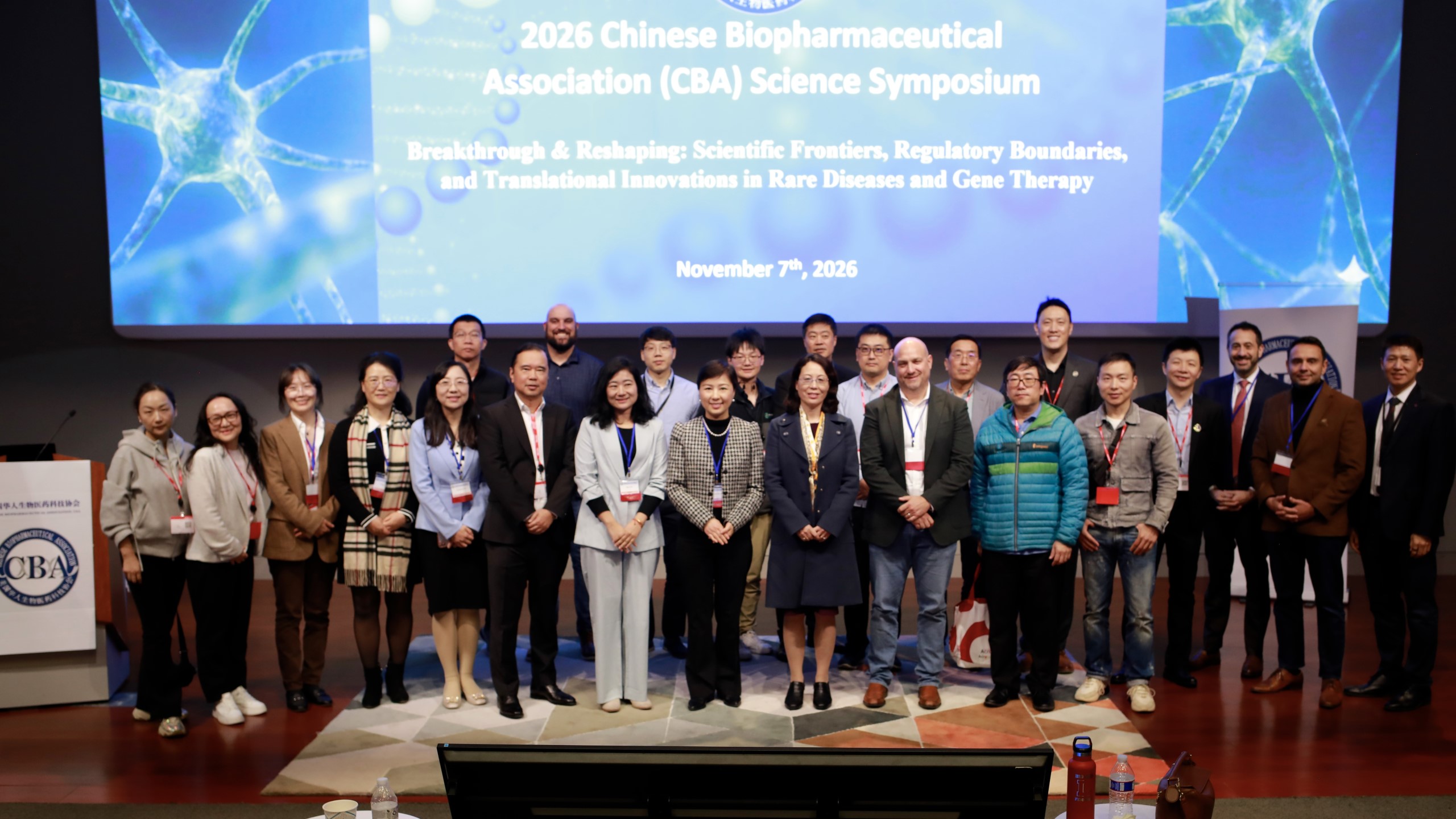
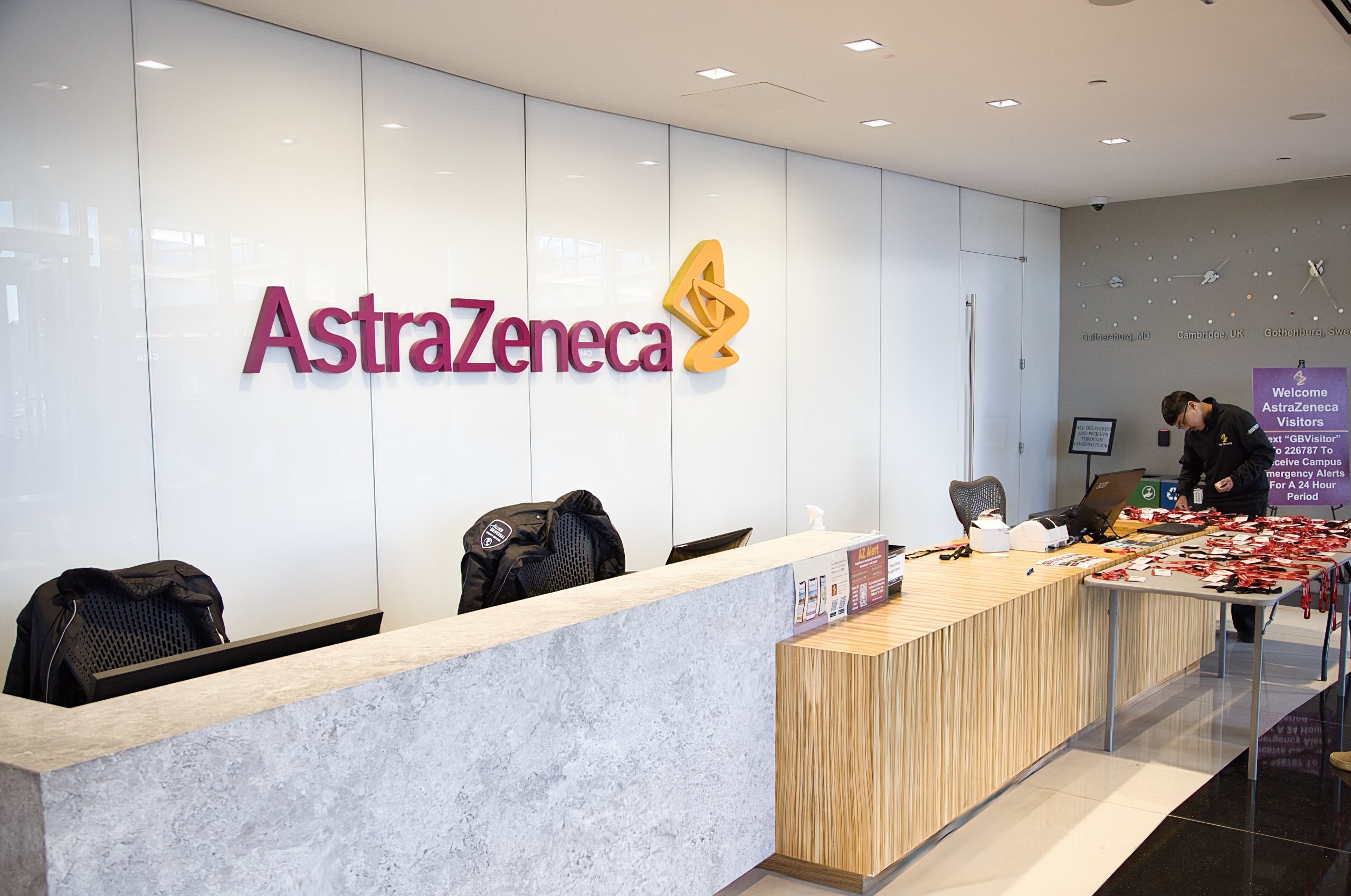
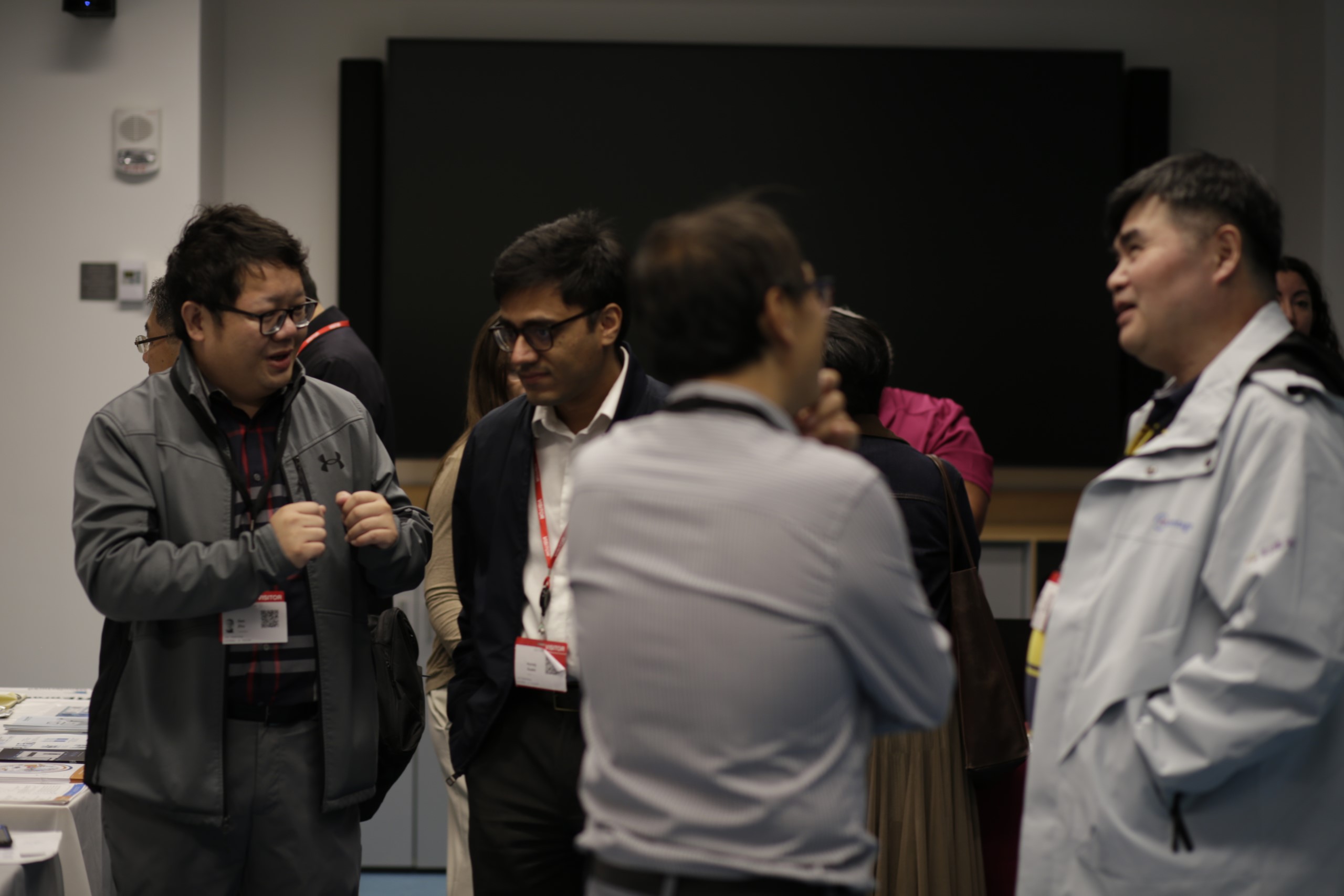
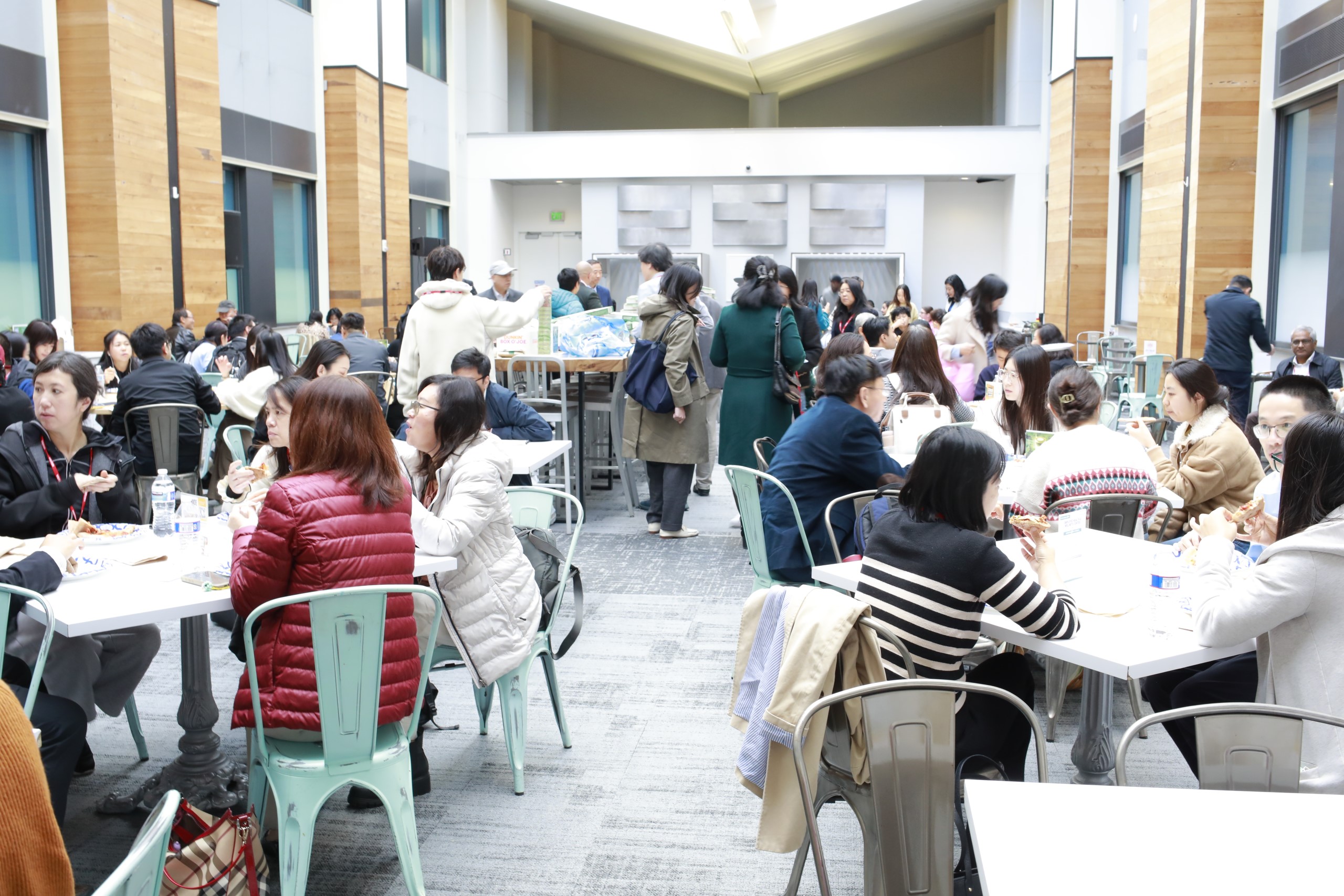
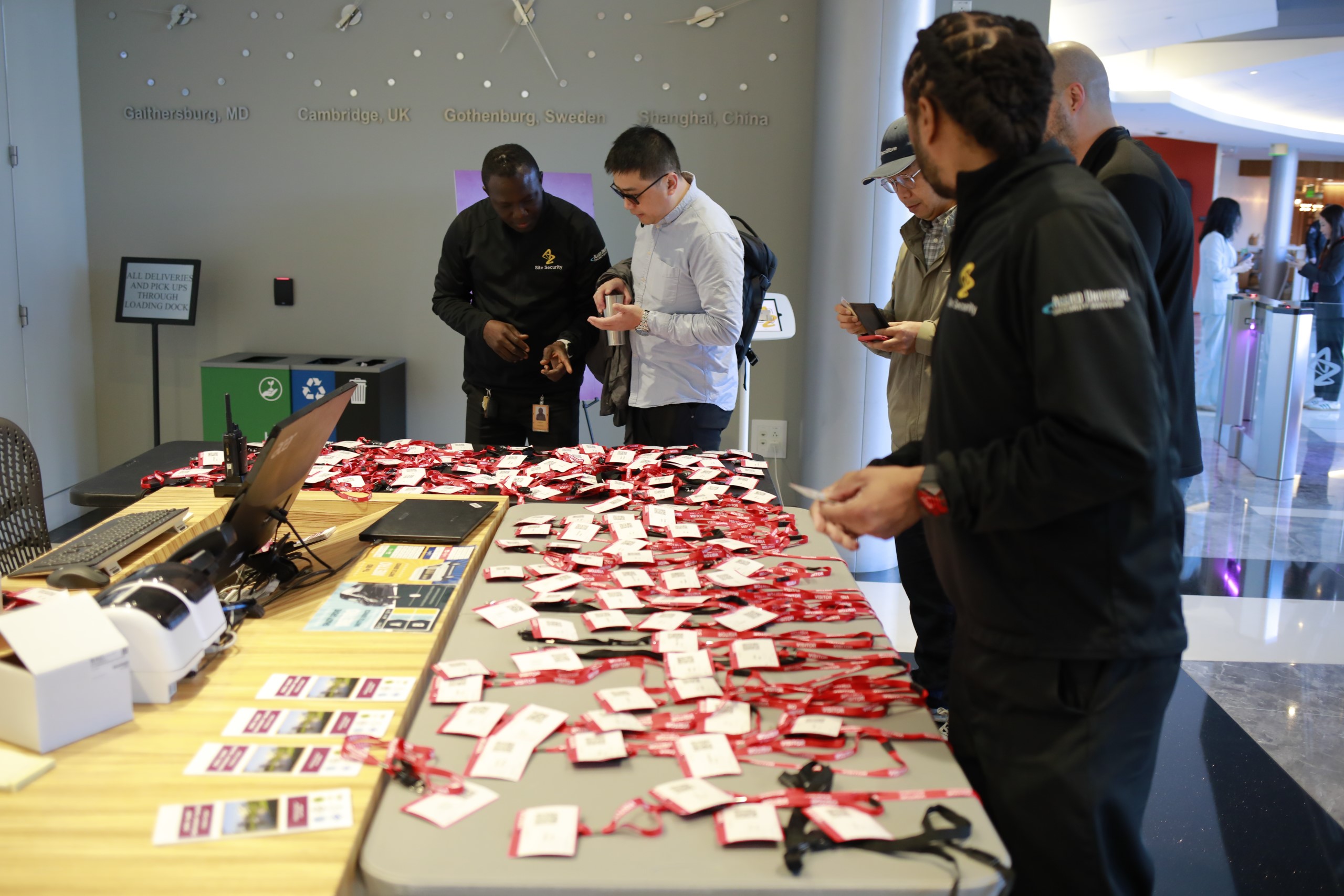
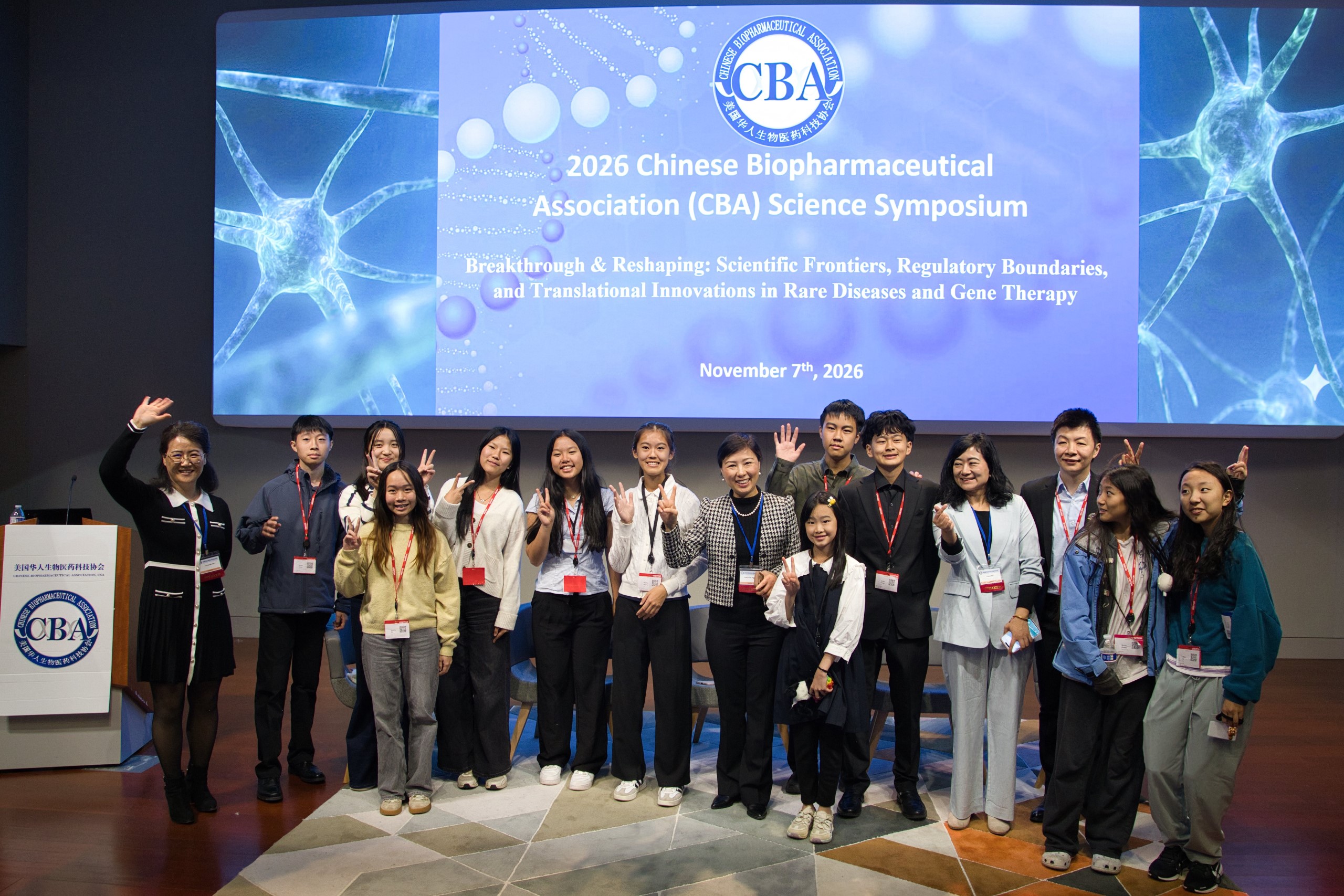
Although individual rare diseases affect relatively small patient populations, their collective impact worldwide is substantial, and effective treatments remain unavailable for many of these conditions. Accelerating the translation of scientific discoveries into clinical therapies is therefore a pressing priority for the biopharmaceutical community. On November 7, 2026, the Chinese Biopharmaceutical Association (CBA) held its Annual Science Symposium, dedicated to rare diseases, at AstraZeneca’s U.S. headquarters campus in Gaithersburg, Maryland. The event brought together more than 200 in-person attendees and over 4,000 online viewers.
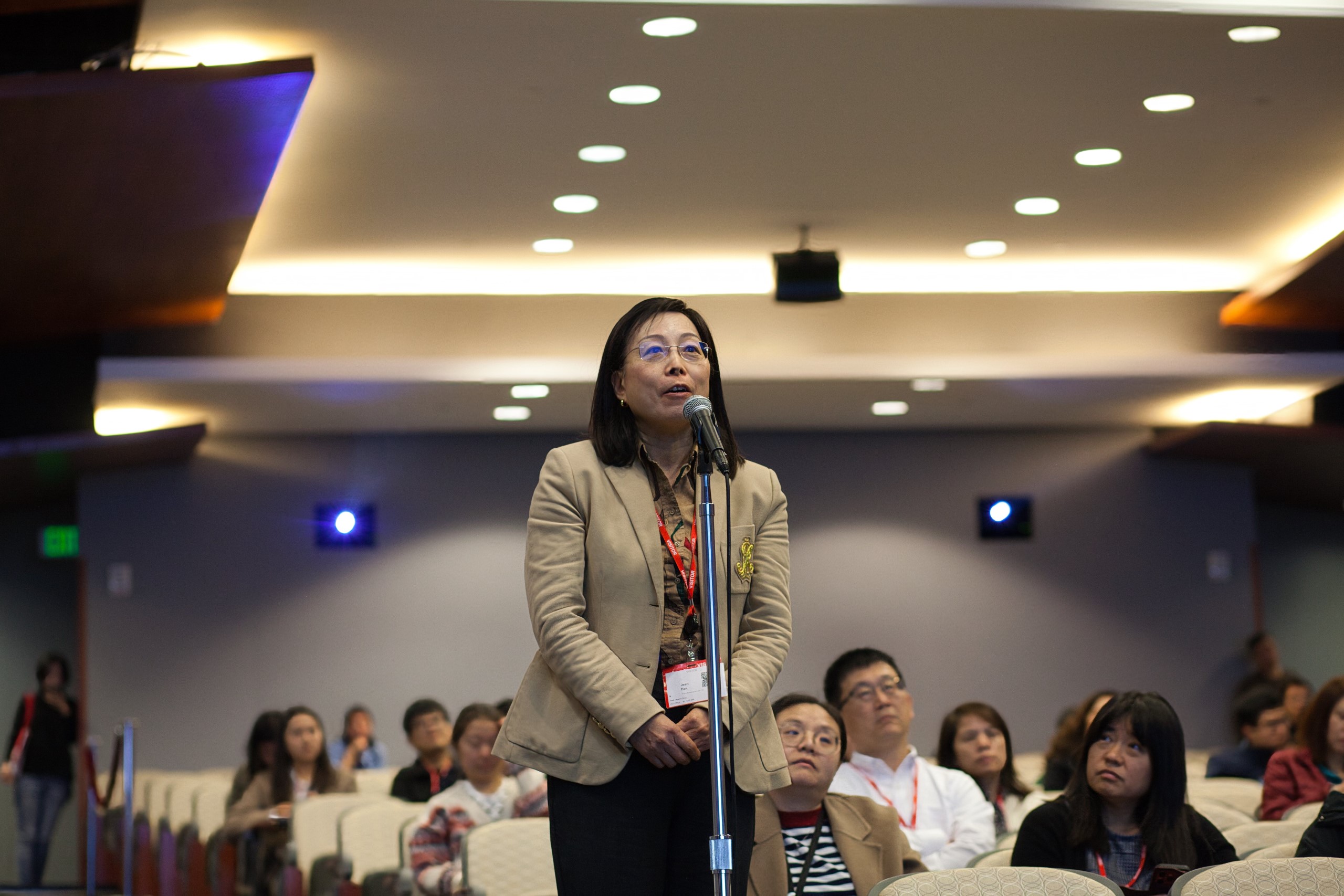
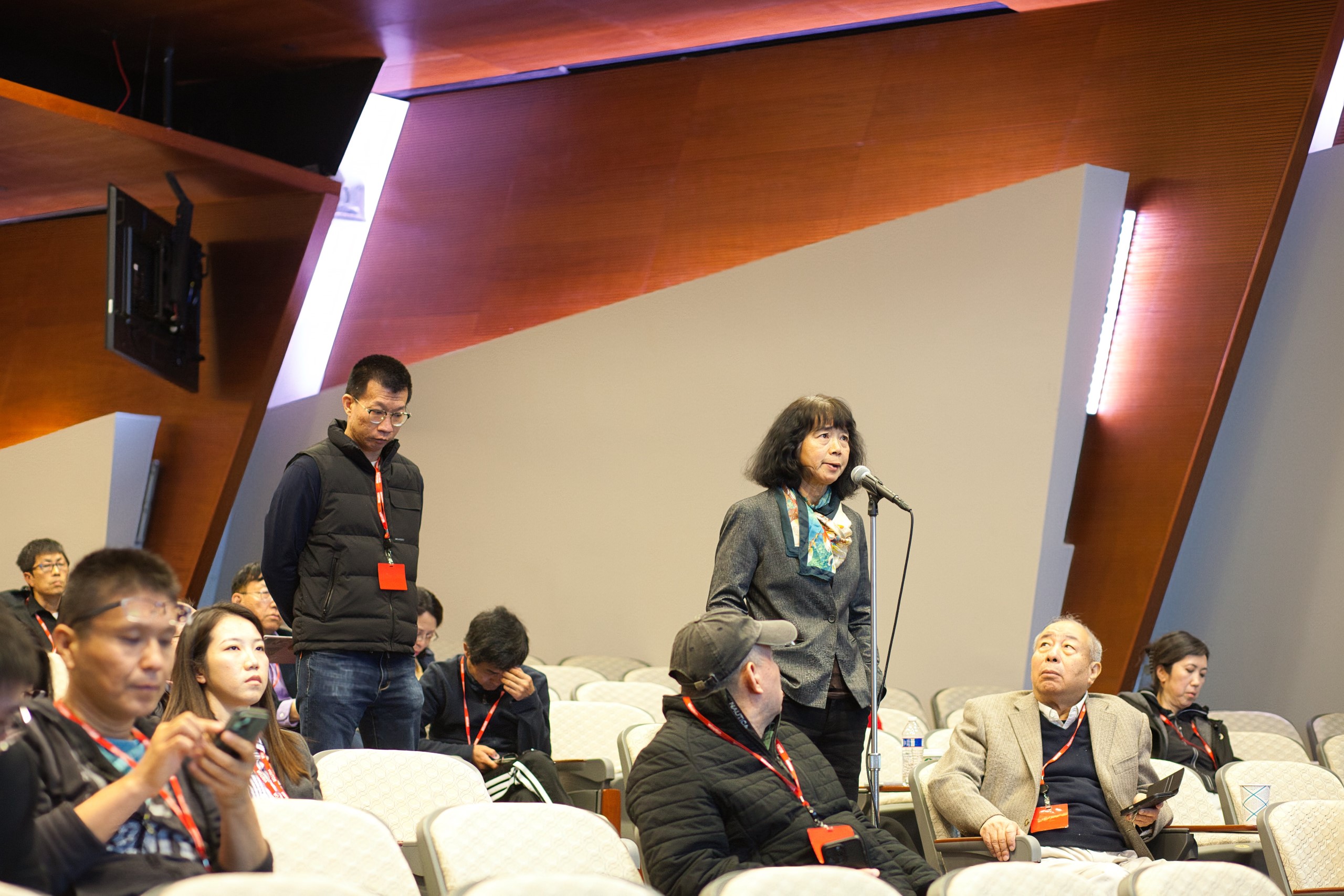
Across two sessions featuring seven presentations and a roundtable discussion, experts from academia, clinical medicine, regulatory affairs, and the biopharmaceutical industry explored rare disease mechanisms, innovative therapeutic strategies, clinical trial design, regulatory pathways, and the chemistry, manufacturing, and controls (CMC) and commercialization challenges associated with innovative biologic therapies. During the interactive discussions, attendees engaged with speakers on functional models for investigating disease-causing genes, drug delivery, clinical study design, regulatory flexibility, and the translation of research into therapeutic products. These exchanges underscored CBA’s role in supporting interdisciplinary dialogue and industry collaboration.
Opening Remarks
The symposium opened with remarks from Dr. Angela Zeng, CBA President and Global Clinical Program Head at AstraZeneca. She highlighted the challenges of rare disease drug development, including small patient populations, complex disease mechanisms, and difficulties in generating clinical evidence. Addressing these challenges requires closer collaboration among academia, industry, and regulatory agencies to explore innovative development approaches. She noted that this collaborative effort aligns closely with CBA’s mission to promote exchange and cooperation across the biopharmaceutical community.
Dr. Zeng described the symposium’s focus on rare diseases as a reflection of CBA’s patient-centered values and commitment to the rare disease community. She expressed her hope that the meeting would bring together expertise from across disciplines to advance the clinical translation of scientific discoveries and innovative therapies.
Dr. Zeng also reflected on CBA’s growth over the past 31 years. What began as a small group of professionals has developed into a platform connecting biopharmaceutical professionals across North America, Asia, Europe, and beyond. Through its chapters in the United States, China, and Canada, CBA offers a wide range of activities supporting knowledge exchange, industry collaboration, and career development.
Alongside established programs such as its annual conference, regional meetings in China, and thematic symposia, CBA has expanded its channels for engagement through the CBA Red Note Channel, CBA Frontier Insights, CBA Startup Club, annual conference roundtable discussions, and CBA Quality Highlight Review. These initiatives create additional opportunities for science communication, entrepreneurship, innovation, and industry dialogue.
In closing, Dr. Zeng outlined CBA’s major activities for the coming year and warmly invited attendees to join the CBA community and participate in its programs. She thanked AstraZeneca for supporting the symposium, as well as the speakers, attendees, and volunteers who contributed to the event, and wished everyone a rewarding day of learning and professional exchange.
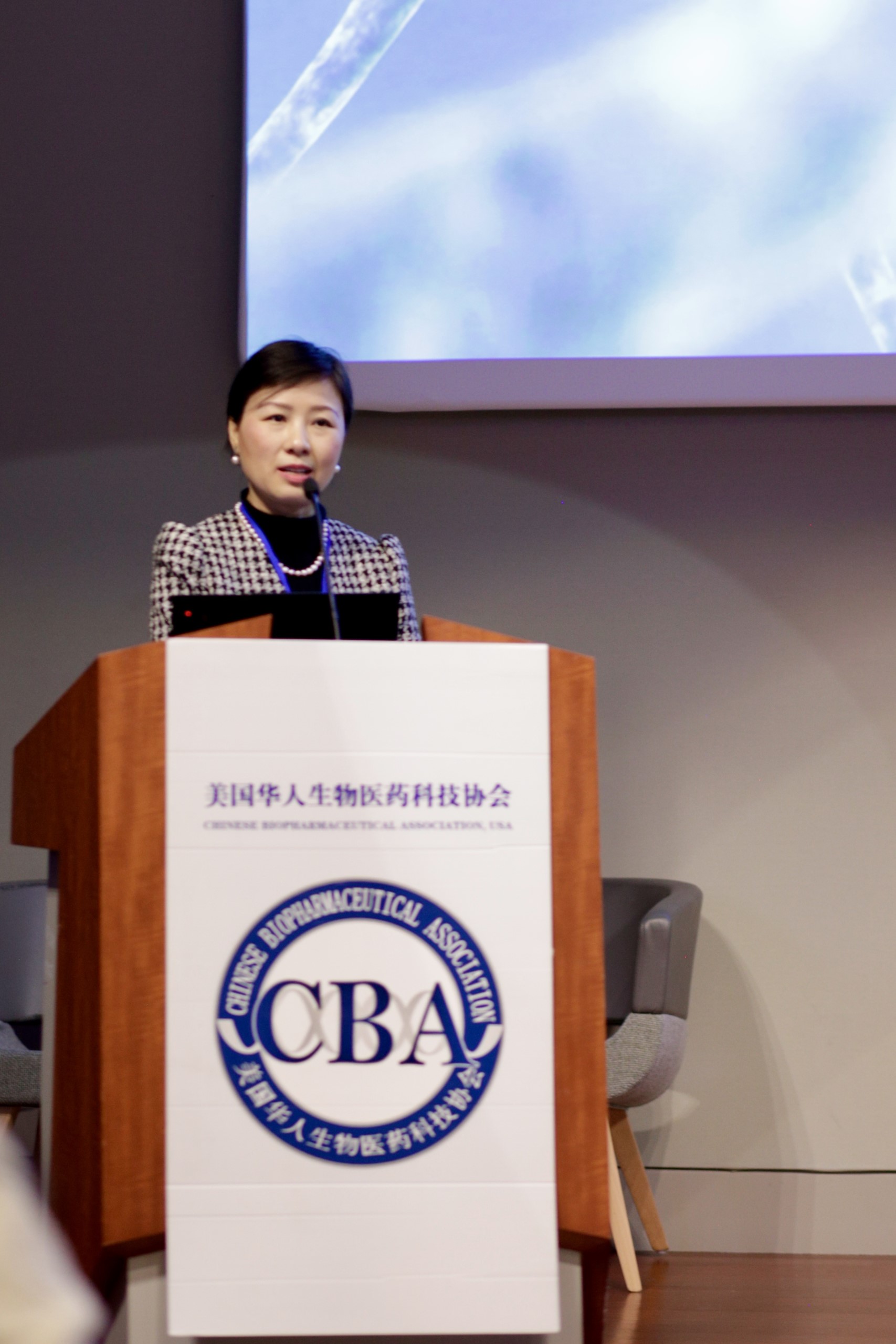
Dr. Angela Zeng, President of CBA and Global Clinical Lead at AstraZeneca
Mr. Gang Dai, Minister Counselor for Science and Technology at the Embassy of the People’s Republic of China in the United States, then delivered guest remarks on the importance of international cooperation in science and technology. He observed that shared challenges such as climate change, energy security, and global public health require collective action, making international scientific exchange and collaboration increasingly important. He highlighted the broad foundation for cooperation between China and the United States in scientific research, technological innovation, and talent development.
Mr. Dai also referred to the renewal of the China–U.S. Agreement on Cooperation in Science and Technology, describing it as an important framework for continued research exchange between the two countries. He recognized CBA’s long-standing contributions to biopharmaceutical innovation, professional exchange, and industry collaboration between China and the United States. He expressed his hope that CBA would continue to connect the scientific, medical, and industry communities, with the symposium opening further opportunities for international exchange and mutually beneficial cooperation.
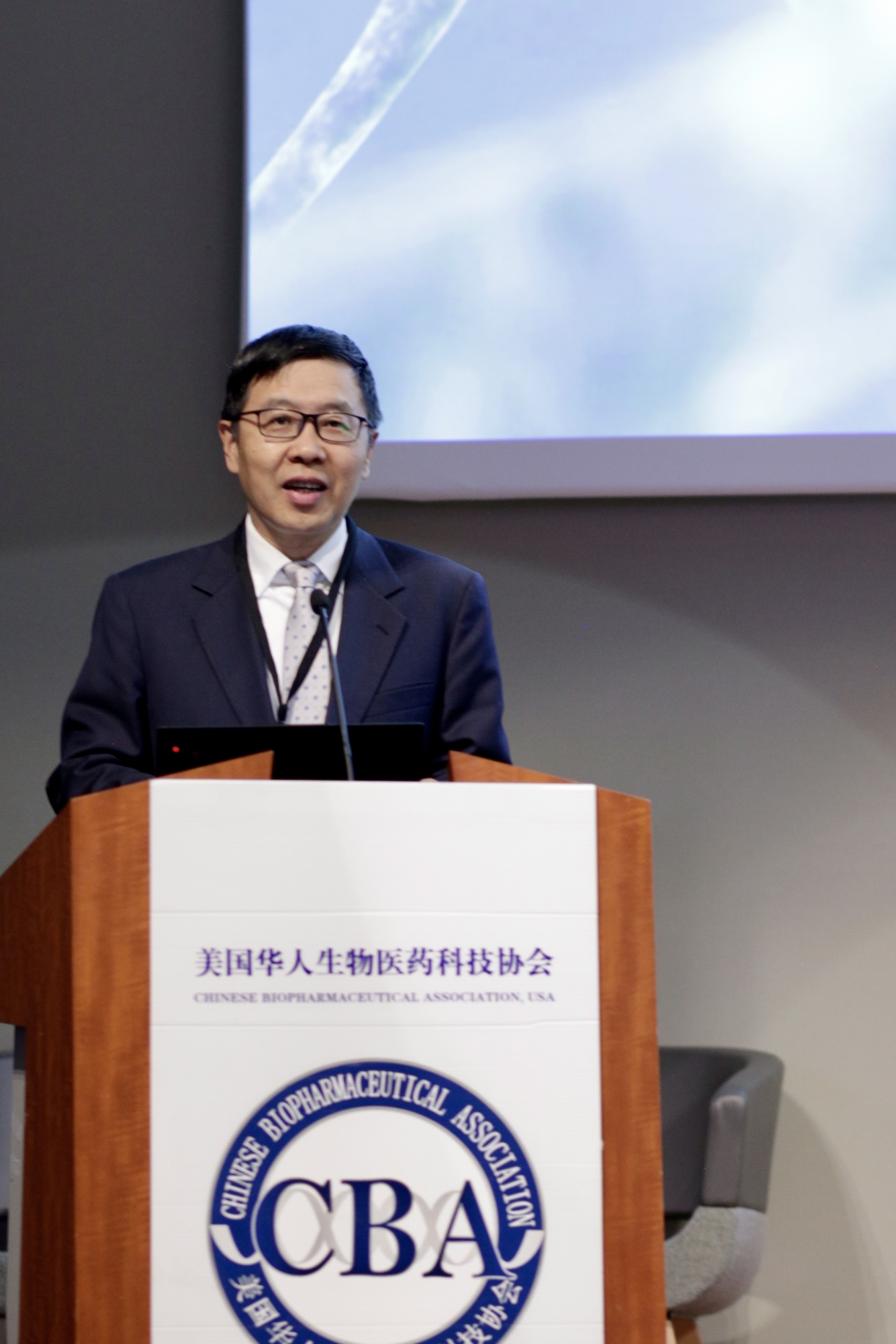
Mr. Gang Dai, Minister Counselor for Science and Technology at the Embassy of the People’s Republic of China in the United States
Session One — Scientific Frontiers in Rare Disease Research
The first session, “Scientific Frontiers in Rare Disease Research: From Disease Mechanisms to Novel Therapies,” explored the connections between mechanistic research and therapeutic development. Three experts shared perspectives on precision disease modeling, neurodegenerative diseases, and the regulation of protein homeostasis.
The session was co-chaired by Dr. Yixing Han, a scientist at the National Institutes of Health (NIH), and Dr. Hongtao Yu, Director of Clinical Pharmacology and Quantitative Pharmacology at AstraZeneca.

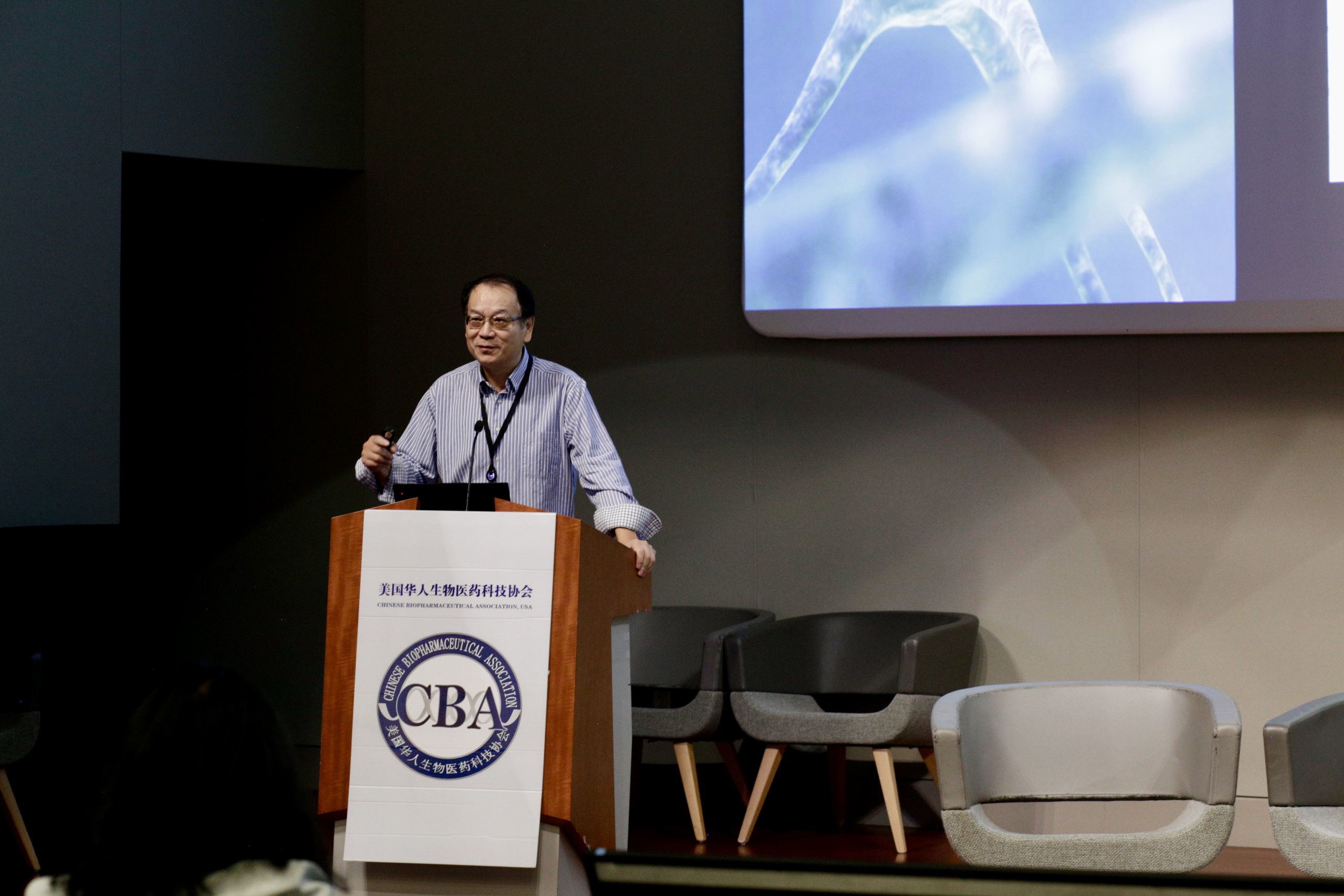
1. The first presentation, “Rare Diseases: Mechanisms, Medicines and Opportunity,” was delivered by Dr. Zhe Han of the Center for Precision Disease Modeling at the University of Maryland School of Medicine. Using personalized Drosophila disease models as a starting point, he explained how functional experiments can help interpret genetic variants, investigate disease mechanisms, and identify potential treatments. By integrating human genetics with experimental disease models, his presentation illustrated a practical approach to developing precision therapies informed by individual patients’ genetic information.
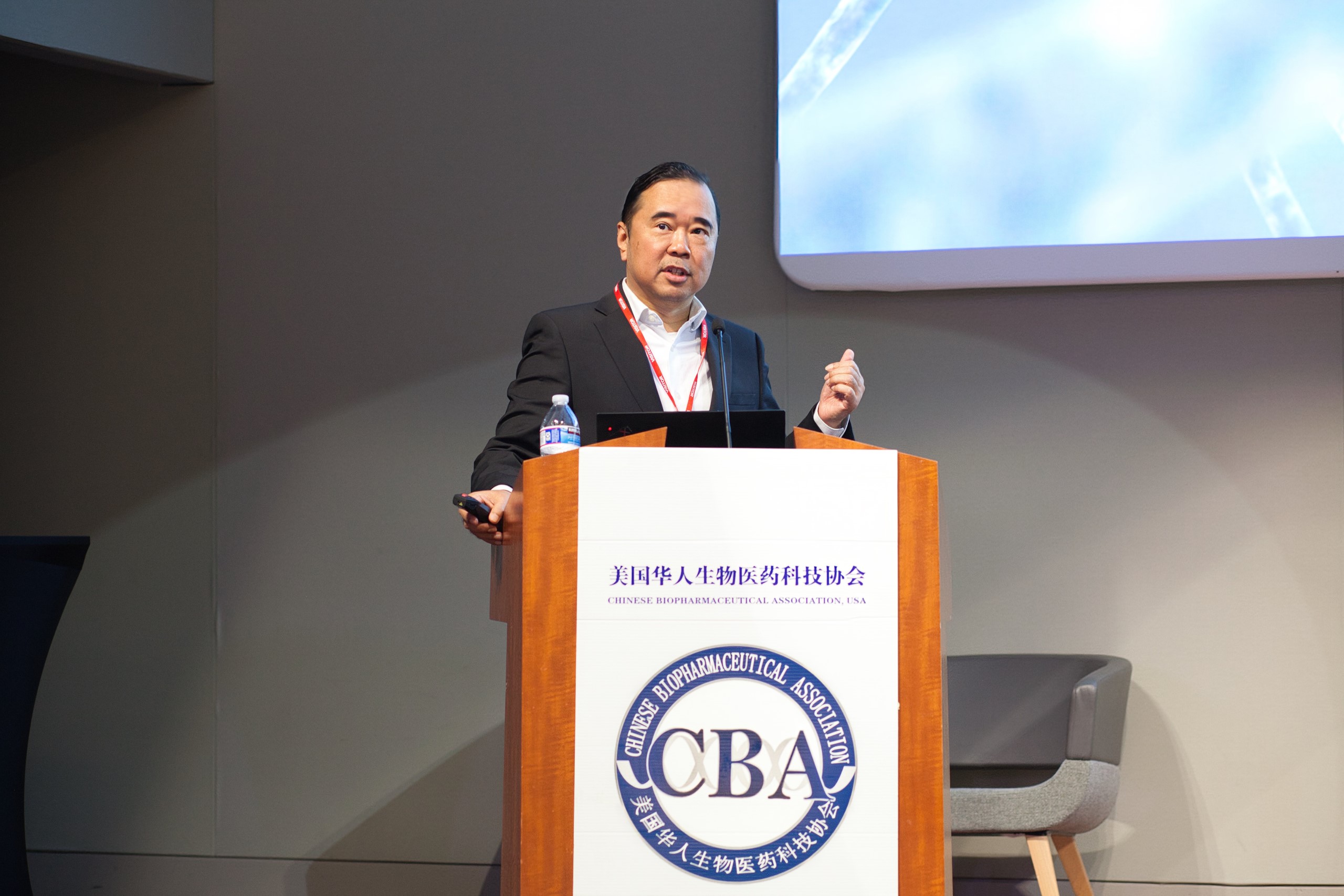
The second presentation, “The Potential of Gene Editing for Huntington’s Disease,” was delivered by Dr. Wenzhen Duan of the Johns Hopkins University School of Medicine. She discussed translational research spanning disease mechanisms, innovative therapeutic strategies, and biomarker development. Focusing on mutant huntingtin protein, somatic CAG repeat expansion, and delivery to the central nervous system, she examined key scientific challenges in developing therapies for Huntington’s disease.
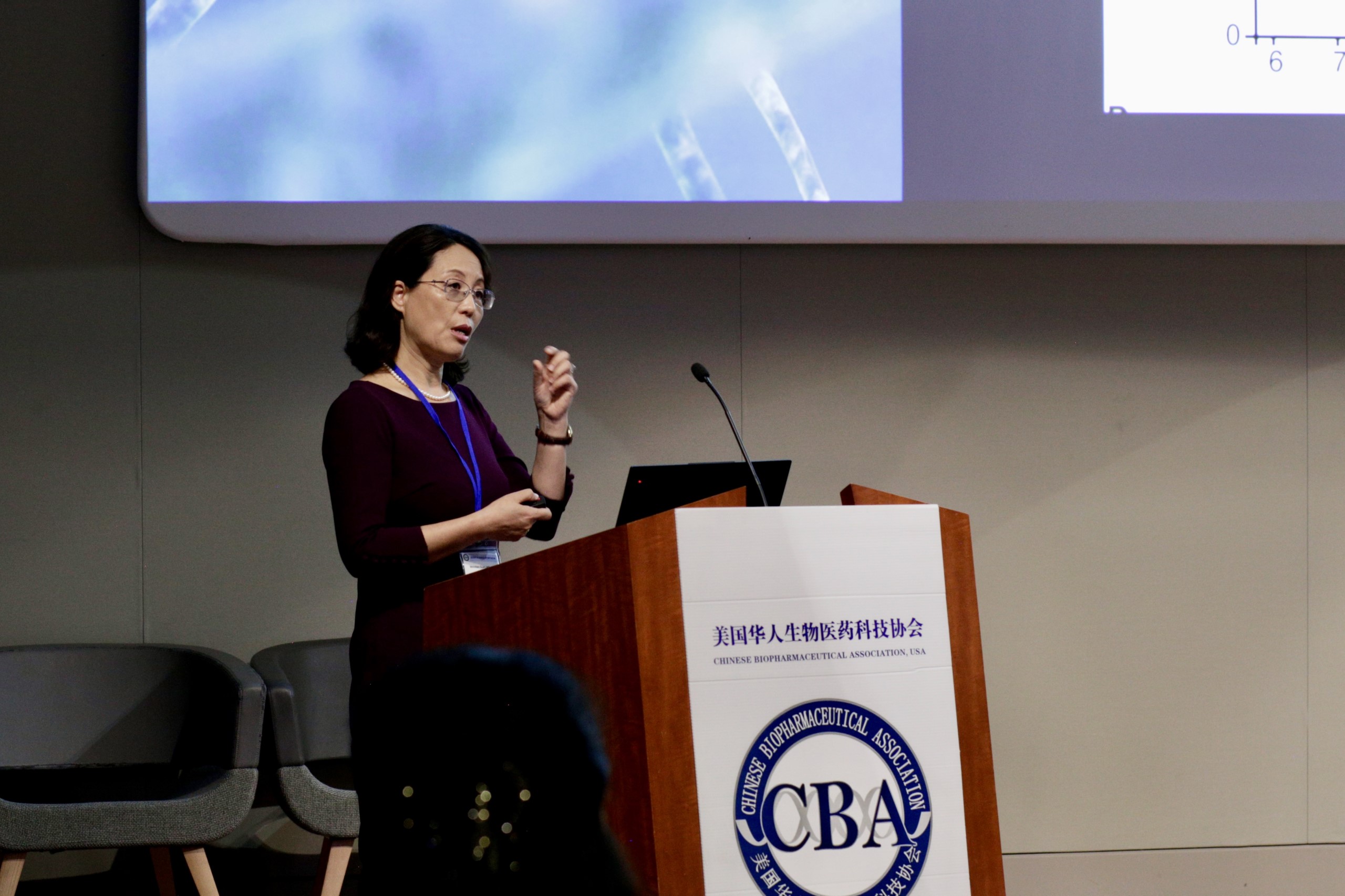
The third presentation, “VEXAS Syndrome: from Pathogenic Mechanisms to Therapeutic Development,” was delivered by Dr. Shengyun Fang of the Department of Pharmacology and Physiology at the University of Maryland School of Medicine. His presentation focused on protein homeostasis, examining the mechanisms and potential therapeutic applications of the ubiquitin–proteasome system and endoplasmic reticulum-associated degradation. Drawing on research into several rare genetic diseases, he illustrated how disrupted protein processing can reveal targets for therapeutic intervention and guide drug discovery.
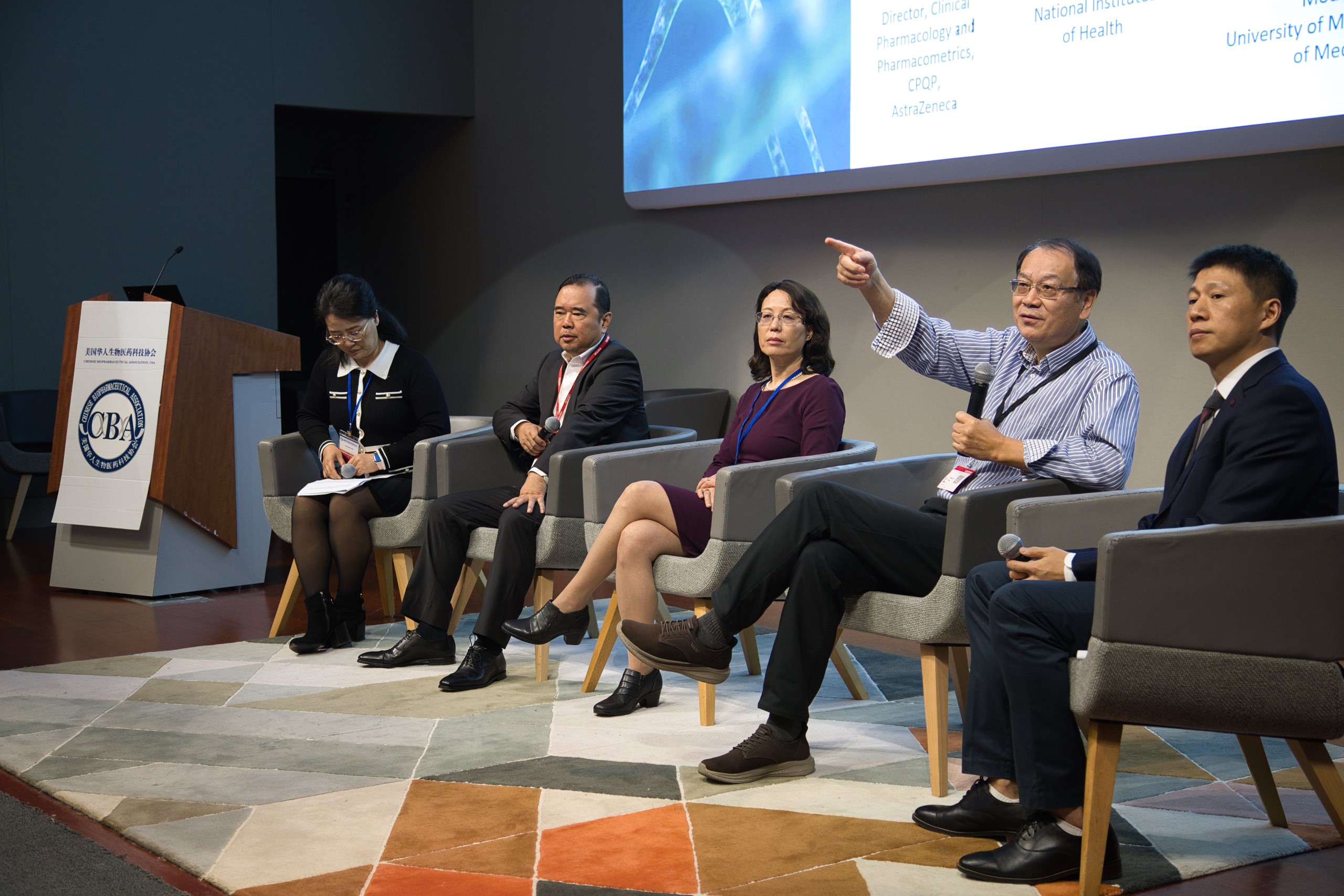
The session’s discussion was moderated by Dr. Yixing Han and Dr. Hongtao Yu. Participants explored the distinctive contributions of the Drosophila models developed by Dr. Zhe Han’s team to functional studies of disease-causing genes, cell-type-specific research, and the screening of potential therapeutic targets. They also discussed the importance of validation across species.
Dr. Duan shared insights from long-standing collaborations among academic researchers, patient advocacy organizations, and industry in the Huntington’s disease community. She emphasized the value of open data exchange, shared lessons from clinical trials, and collaboration across institutions in refining drug development strategies.
The discussion also addressed the challenges researchers face when establishing biotechnology companies, as well as the potential applications of artificial intelligence and virtual cell models in disease research. Together, these exchanges highlighted the contributions of interdisciplinary collaboration and technological innovation to rare disease therapeutic development.
Session Two — Clinical and Regulatory Perspectives on Rare Disease Drug Development
The second session, “Clinical & Regulatory Perspective: Accelerate Rare Disease Drug Development,” focused on clinical, regulatory, and commercialization challenges in rare disease drug development. It was co-chaired by Dr. Xin Wei, Clinical Pharmacologist at Bristol Myers Squibb, and Dr. Chunhong Liu, Associate Director of Translational Medicine at Hansoh Bio.
Experts in clinical development, regulatory affairs, and technical operations shared practical experience in clinical trial design, regulatory pathways, evidence generation, and manufacturing at scale. The four presentations examined different stages of the development process, illustrating the challenges involved in translating scientific discoveries into clinical applications and creating opportunities for exchange across professional disciplines.

The first presentation, “Window-of-Opportunity Trials in Glioblastoma,” was delivered by Dr. Samuel A. Goldlust, Global Clinical Lead at AstraZeneca Alexion, whose work focuses on rare oncology. He introduced the use of window-of-opportunity trials in glioblastoma drug development.
Against the backdrop of persistent treatment challenges and clinical studies that have fallen short of anticipated breakthroughs, Dr. Goldlust explained how the limited period before surgery can be used to administer an investigational treatment and collect paired blood, cerebrospinal fluid, and tumor tissue samples. These samples can help assess drug exposure, target engagement, and downstream biological effects. Such studies examine drug penetration into tumor tissue and generate pharmacodynamic evidence to inform subsequent development decisions. He also emphasized the importance of sample collection, assay methodology, appropriate controls, patient safety, and ethical considerations
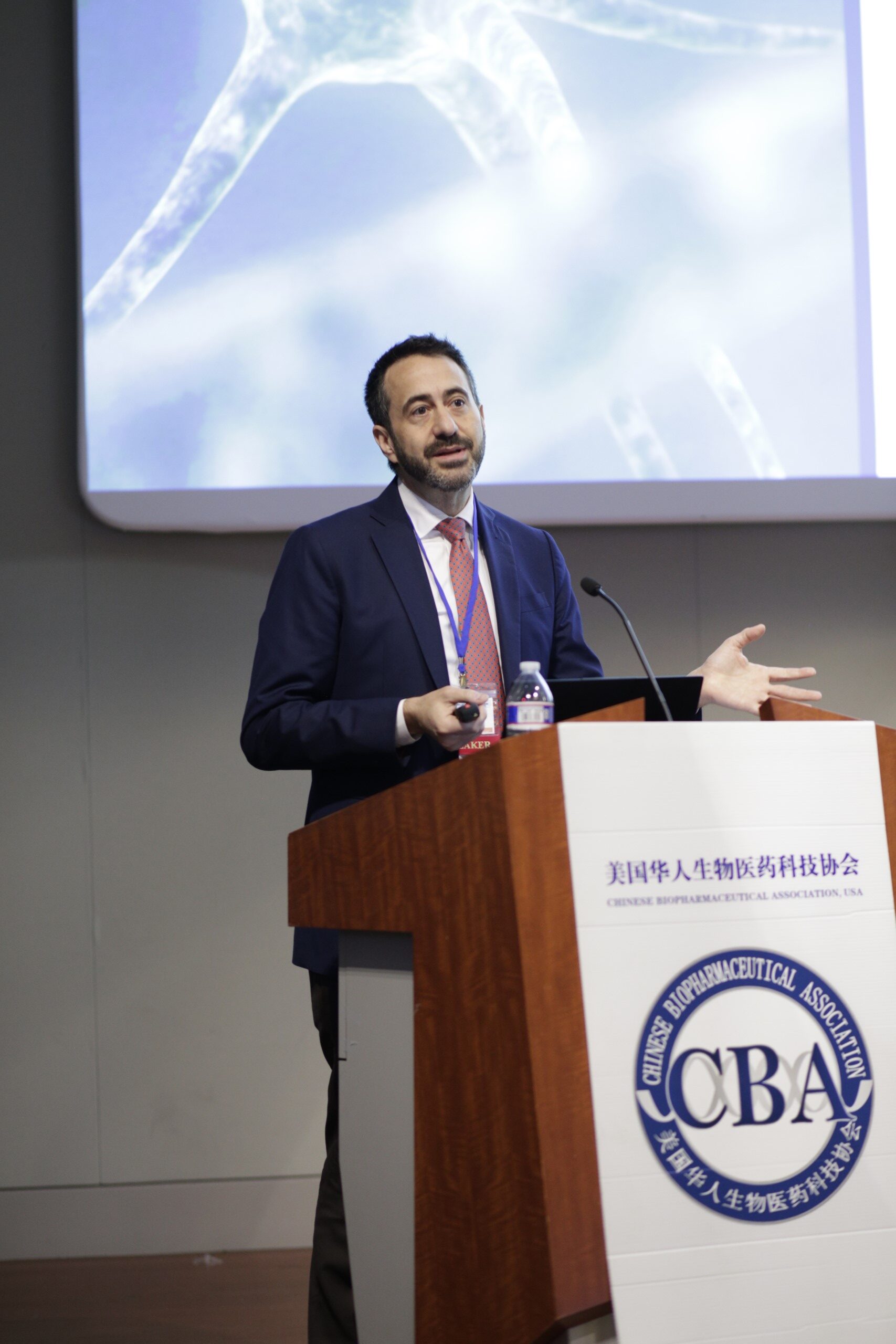
The second presentation, “Rare by Design: Lessons From Rare Oncology Development,” was delivered by Dr. Shaad E. Abedin, Chief Medical Officer of Quetzal Therapeutics. Drawing on his experience in hematologic malignancies and oncology drug development, he shared practical lessons from developing treatments for rare cancers.
Dr. Abedin participated in the early development of Imfinzi and Imjudo and led the clinical development of tebentafusp. Drawing on the development of tebentafusp, he discussed key considerations in rare oncology research, including the definition of patient populations, endpoint selection, assessment of survival benefit, and biomarker use.
He also introduced Quetzal’s investigational program QTX-2101, an oral arsenic trioxide formulation for acute promyelocytic leukemia (APL), and its global Phase III QUATRO-APL study. His presentation emphasized the importance of coordinating clinical strategy, global trial planning, and patient treatment burden from the earliest stages of development.
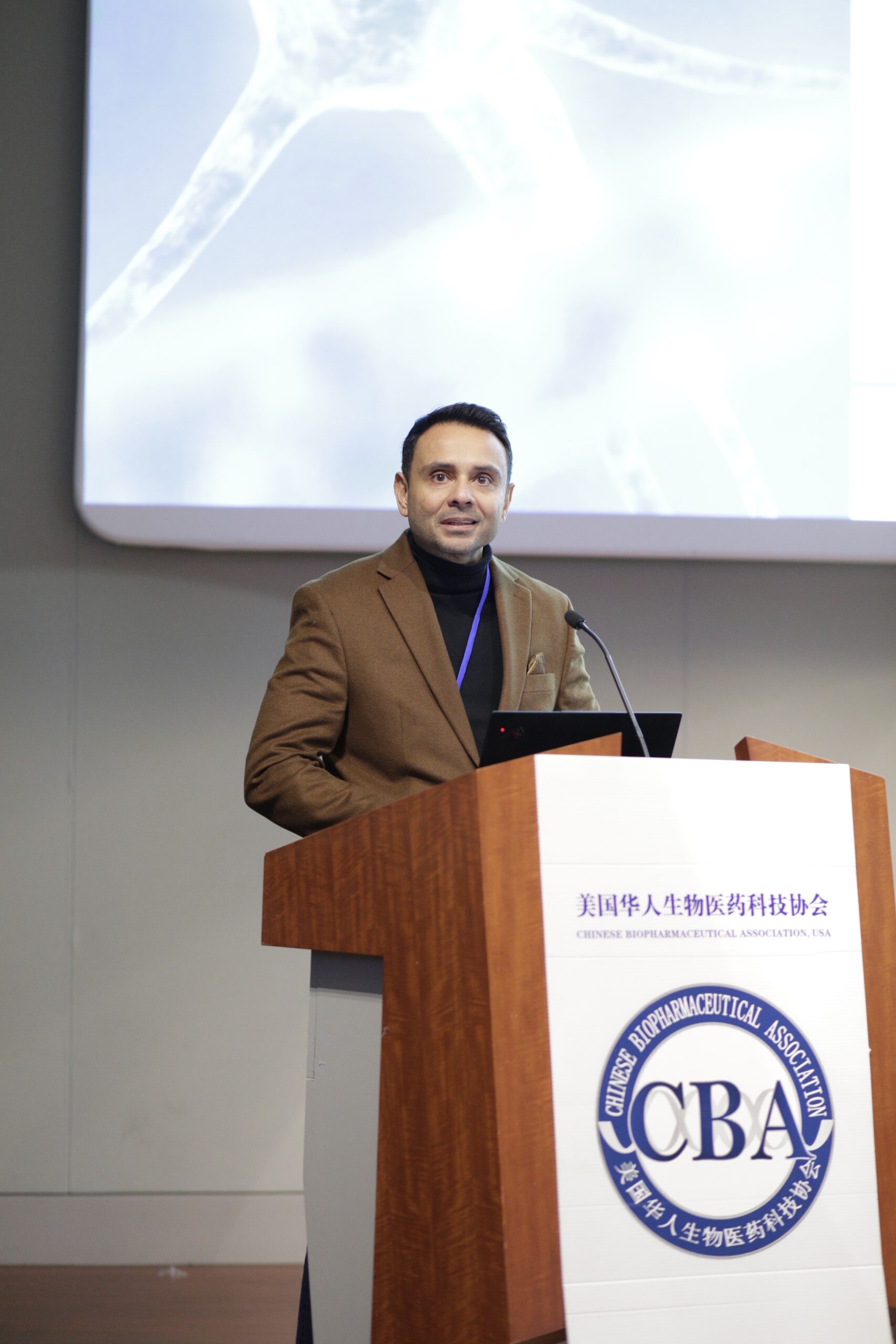
The third presentation, “U.S. FDA Rare Disease Landscape – 2026: Trends, Programs & Regulatory Considerations,” was delivered by Dr. Frank Li, Founder and CEO of BLA Regulatory LLC. From a regulatory affairs perspective, he reviewed policy developments, support programs, and development considerations within the U.S. Food and Drug Administration’s rare disease landscape in 2026.
His presentation covered the FDA Rare Disease Innovation Hub and related initiatives, including ARC, the START Pilot, RDEP, and RDEA. He also discussed orphan drug designation, regulatory incentives, and priority review vouchers.
Dr. Li highlighted common challenges in rare disease programs, including small patient populations, limited natural history data, and difficulties in selecting clinical endpoints. He emphasized the need for early engagement with regulators to clarify evidence requirements and development pathways. His presentation offered practical guidance for teams seeking to understand the FDA regulatory environment, plan clinical development, and reduce uncertainty in later stages of development.
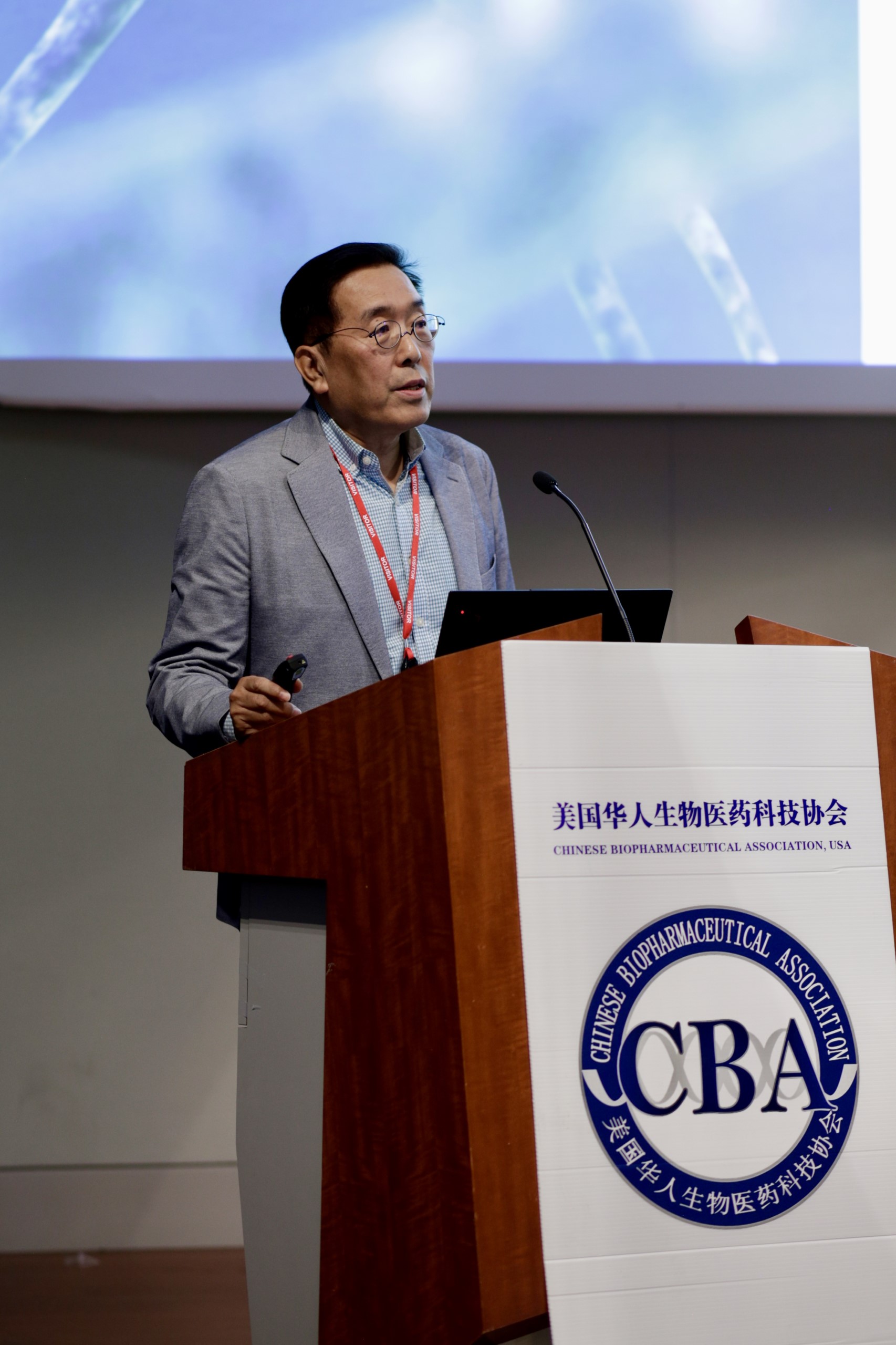
The fourth presentation, “From Scientific Breakthrough to Reliable Supply: Making Rare Disease Therapies Scalable,” was delivered by Mr. John Higgins, Vice President of Technical Operations at Cartesian Therapeutics. He examined how scientific breakthroughs can be translated into therapies that can be manufactured reliably and supplied sustainably.
For rare disease therapies, successful clinical research must be supported by process development, CMC, quality control, technology transfer, and manufacturing capacity to achieve commercialization and ongoing patient access. Drawing on industry experience, Mr. Higgins discussed manufacturing network expansion, process lifecycle management, capacity planning, and cost control.
He emphasized the importance of incorporating manufacturing feasibility and supply strategy into development planning at an early stage to prepare for future scale-up. His presentation brought a manufacturing and operational perspective to the broader discussion of rare disease drug development.
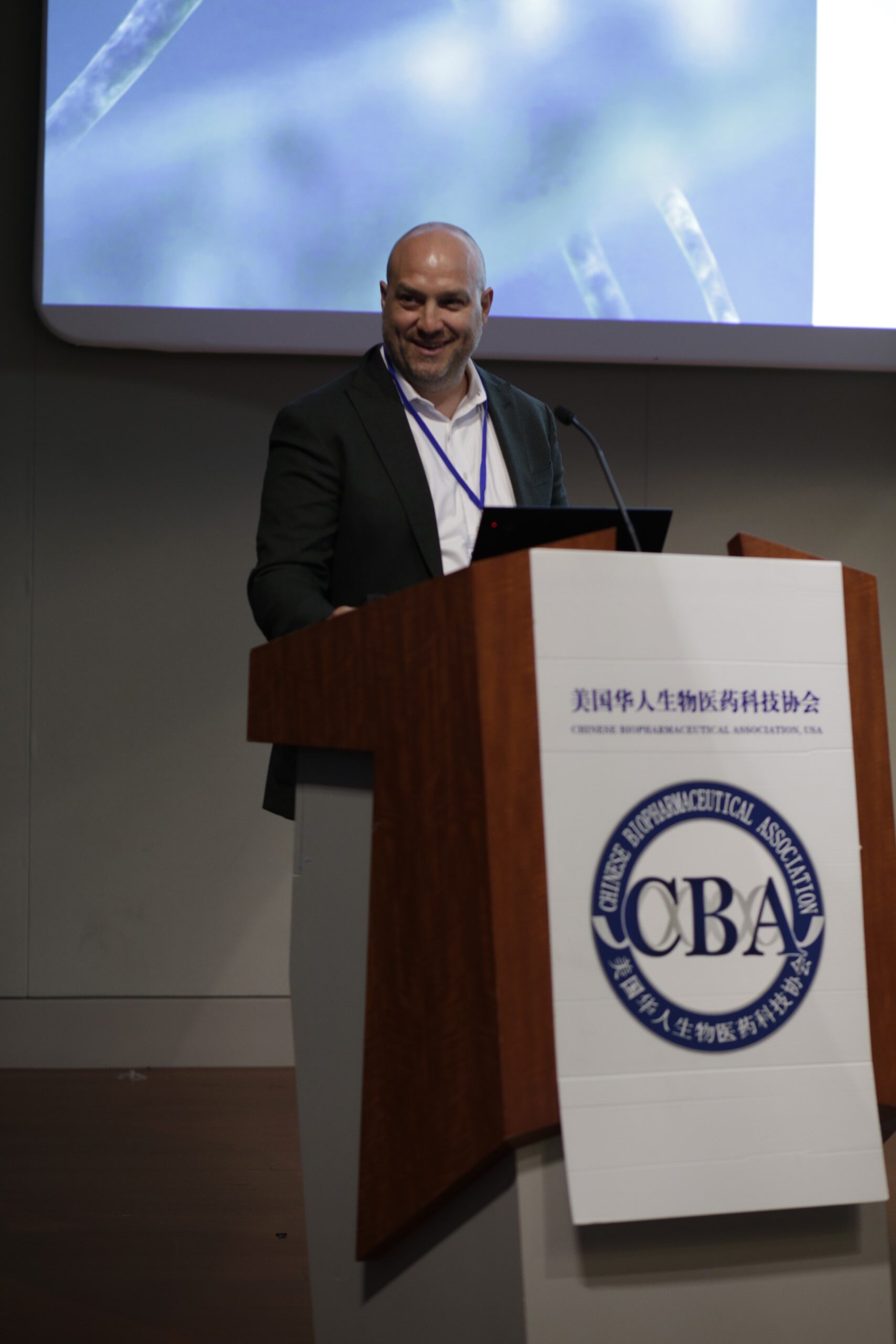
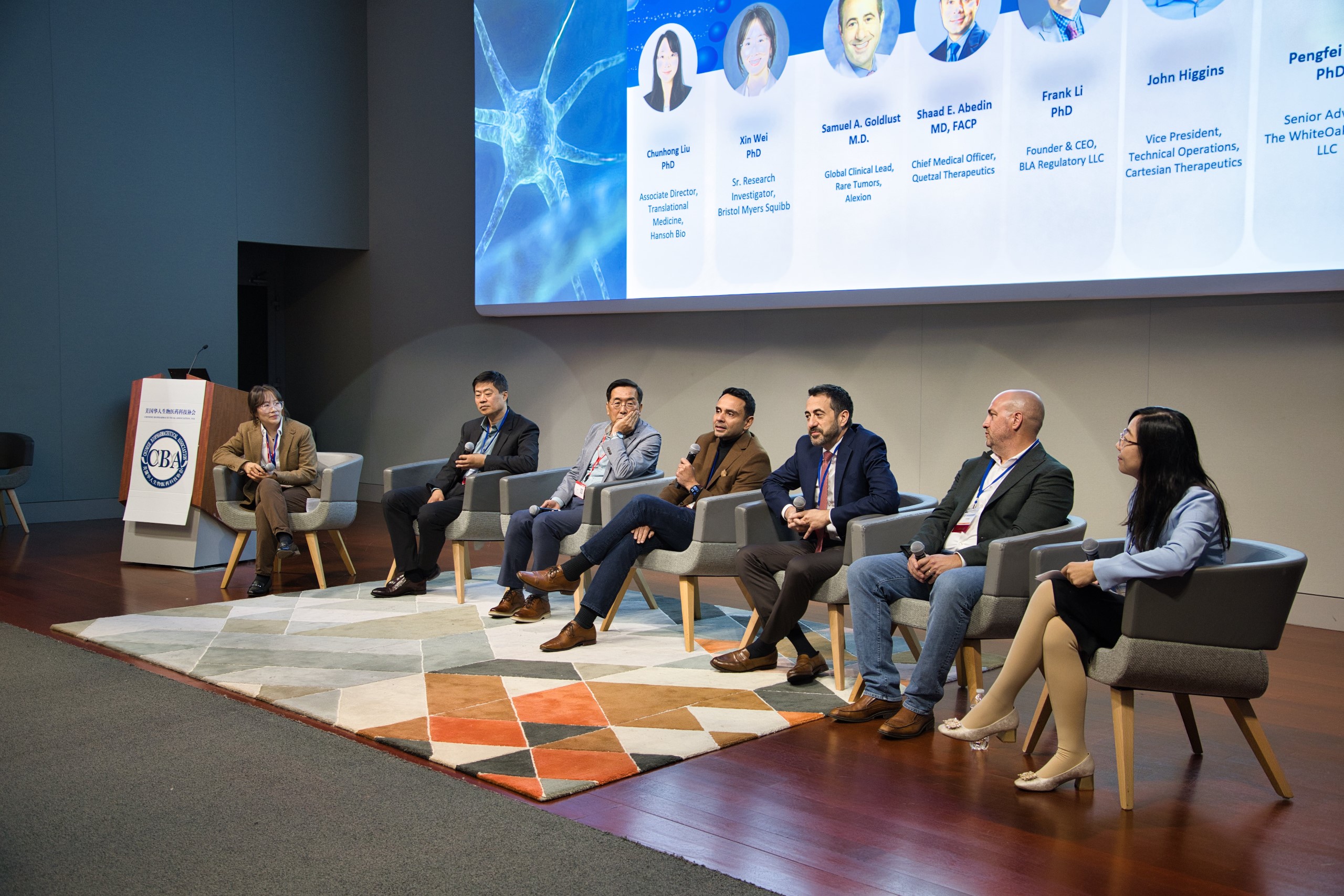
Following the presentations, the symposium featured a roundtable discussion on “Accelerate Rare Disease Drug Development.” Co-moderated by Dr. Xin Wei and Dr. Chunhong Liu, the panel brought together Dr. Samuel A. Goldlust, Dr. Shaad E. Abedin, Dr. Frank Li, Mr. John Higgins, and Dr. Pengfei Guo, Senior Consultant at The WhiteOak Group, LLC.
The panelists shared perspectives on accelerating rare disease drug development through clinical development, regulatory strategy, technical operations, and industry practice. Their discussion connected the quality of clinical evidence, study design in small patient populations, regulatory engagement, manufacturing feasibility, and patient access. It emphasized the coordinated effort required across clinical, regulatory, research, and industry teams.
Closing Remarks
At the close of the symposium, Dr. Qing Li, CBA President-Elect and Head of Bioengineering at PrimaLux BioMed, delivered the closing remarks. She thanked the speakers, roundtable panelists, and attendees, and expressed special appreciation to AstraZeneca for providing the venue and supporting the event.
Dr. Li also encouraged more professionals to join CBA’s volunteer team and contribute to scientific programming, professional exchange, and community building. She noted that CBA’s continued growth depends on the commitment of its members and volunteers, and welcomed broader participation in advancing knowledge sharing and collaboration across the biopharmaceutical community.
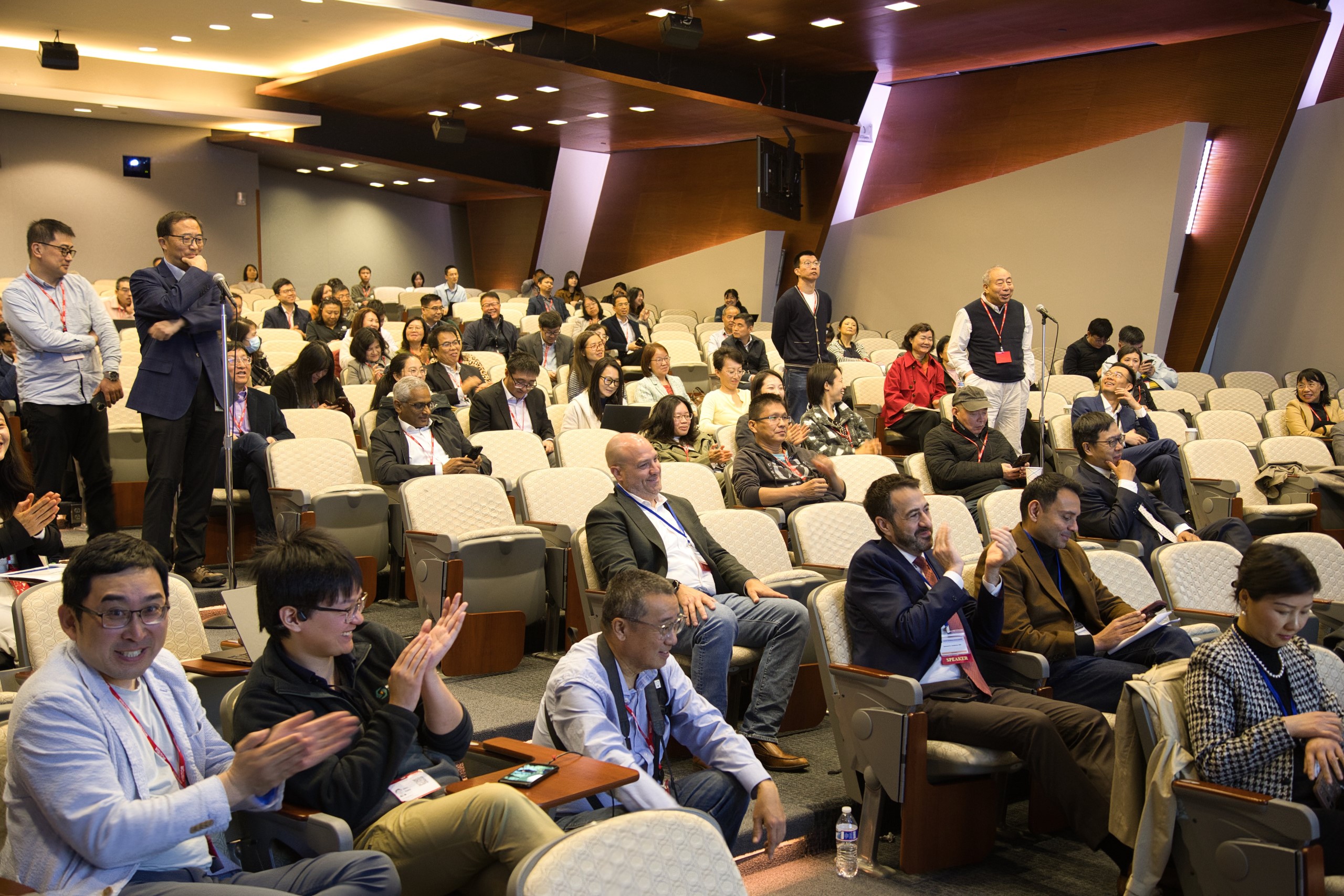
The symposium’s seven presentations addressed key areas of rare disease research and development, from disease mechanisms and innovative therapies to clinical research, regulatory strategy, and commercialization. Together, they offered perspectives on the path from basic research to clinical translation. Lively discussions brought together expertise from multiple disciplines, encouraging thoughtful scientific exchange and the sharing of practical experience. Attendees responded positively to the scientific quality, depth of discussion, and organization of the event.
CBA will continue to connect academia, industry, and biopharmaceutical professionals, support interdisciplinary collaboration, and advance the translation of scientific discoveries into clinical applications. Through these efforts, the association aims to bring greater attention to the needs of people living with rare diseases and help scientific innovation deliver meaningful benefits to patients.
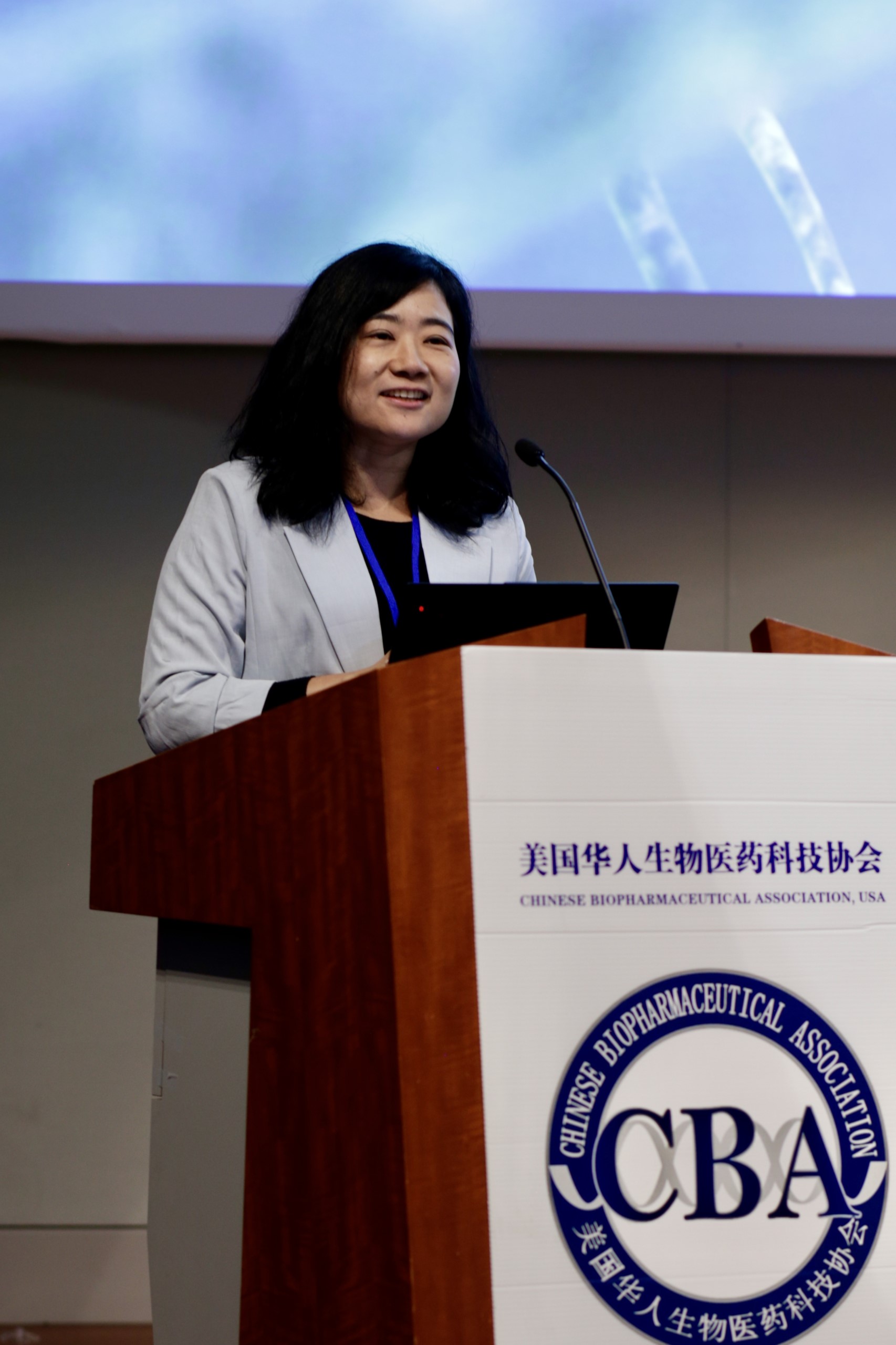
Dr. Qing Li, CBA President-Elect and Head of Bioengineering at PrimaLux BioMed, delivering the closing remarks.
Photo Highlights
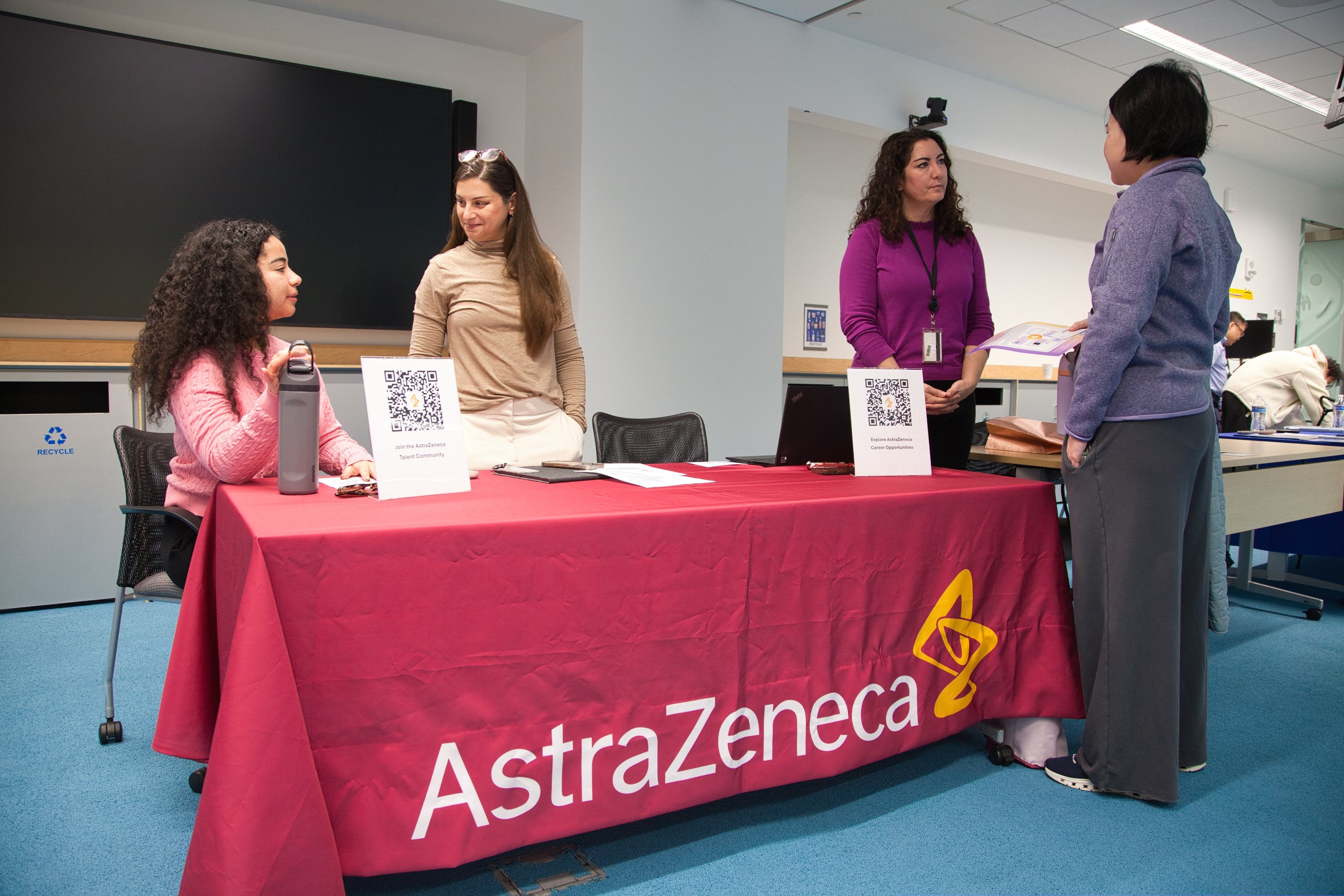
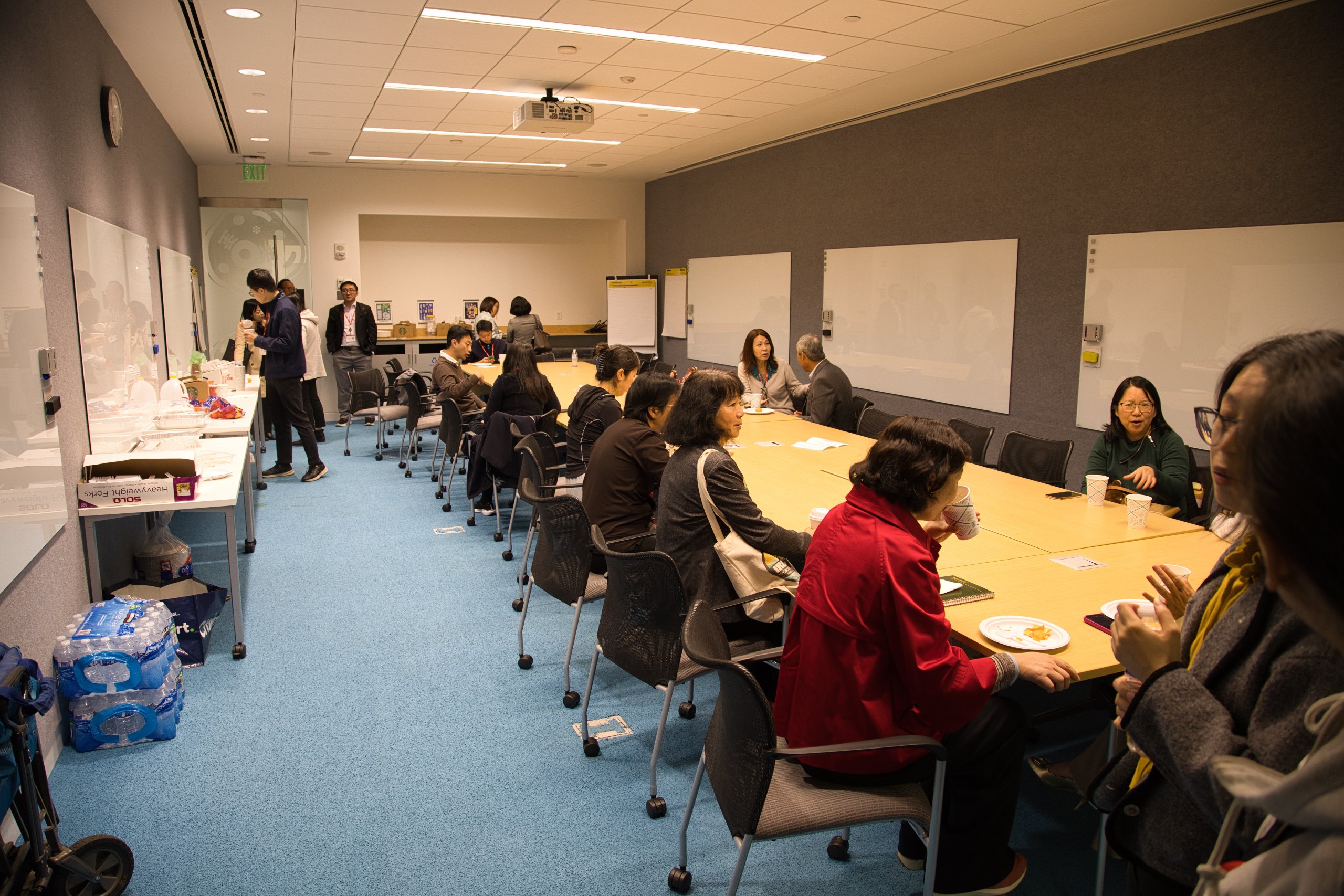
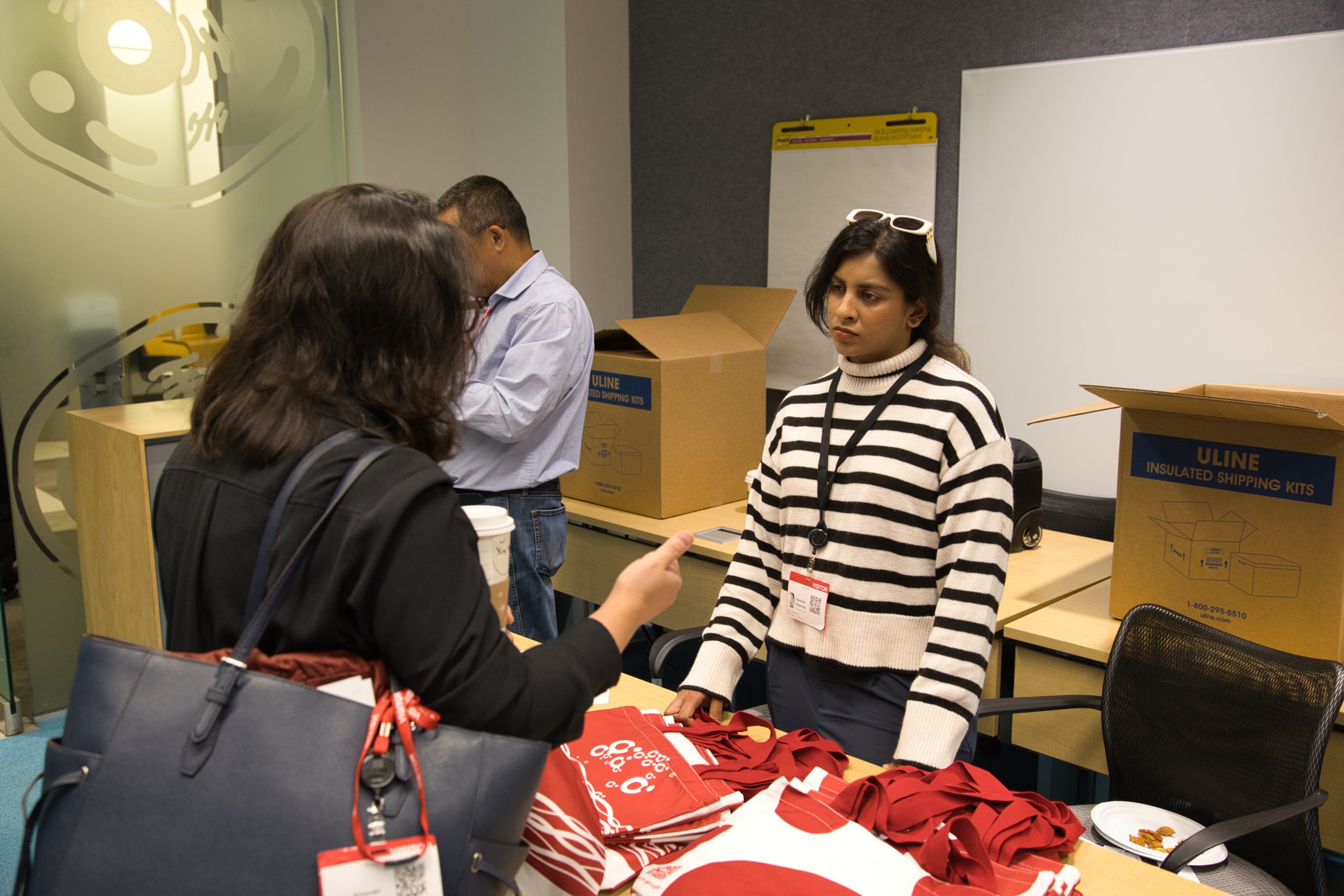
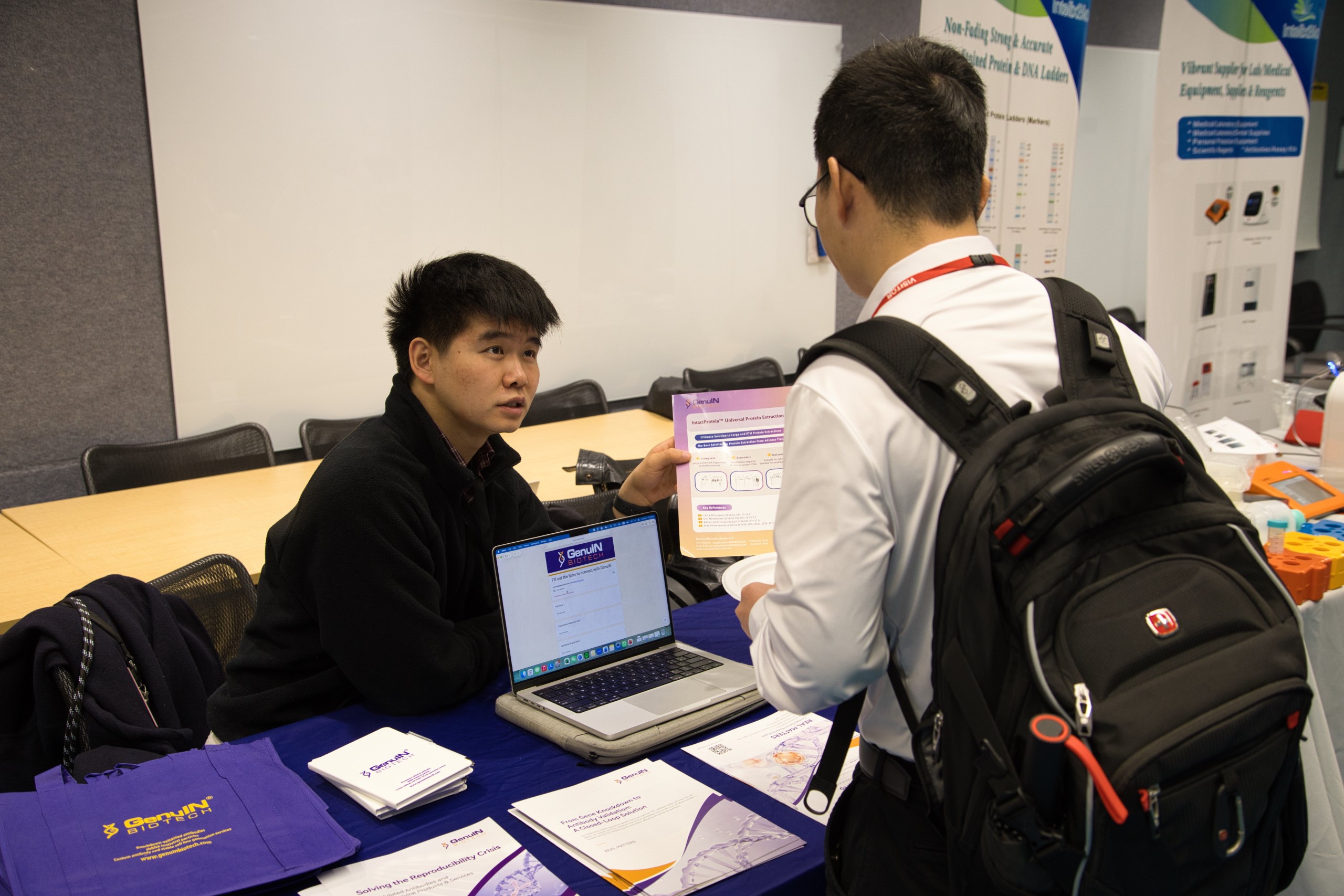
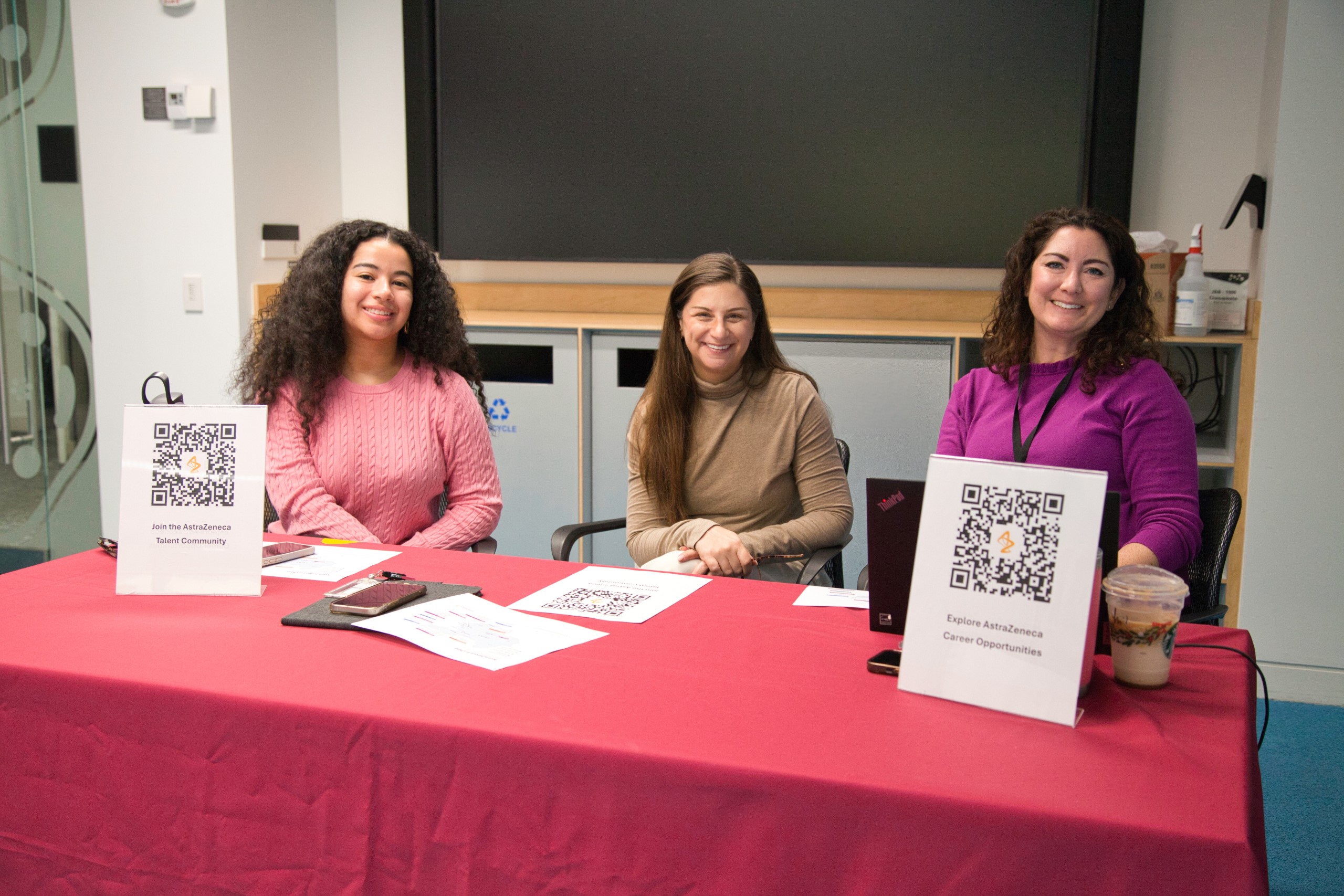
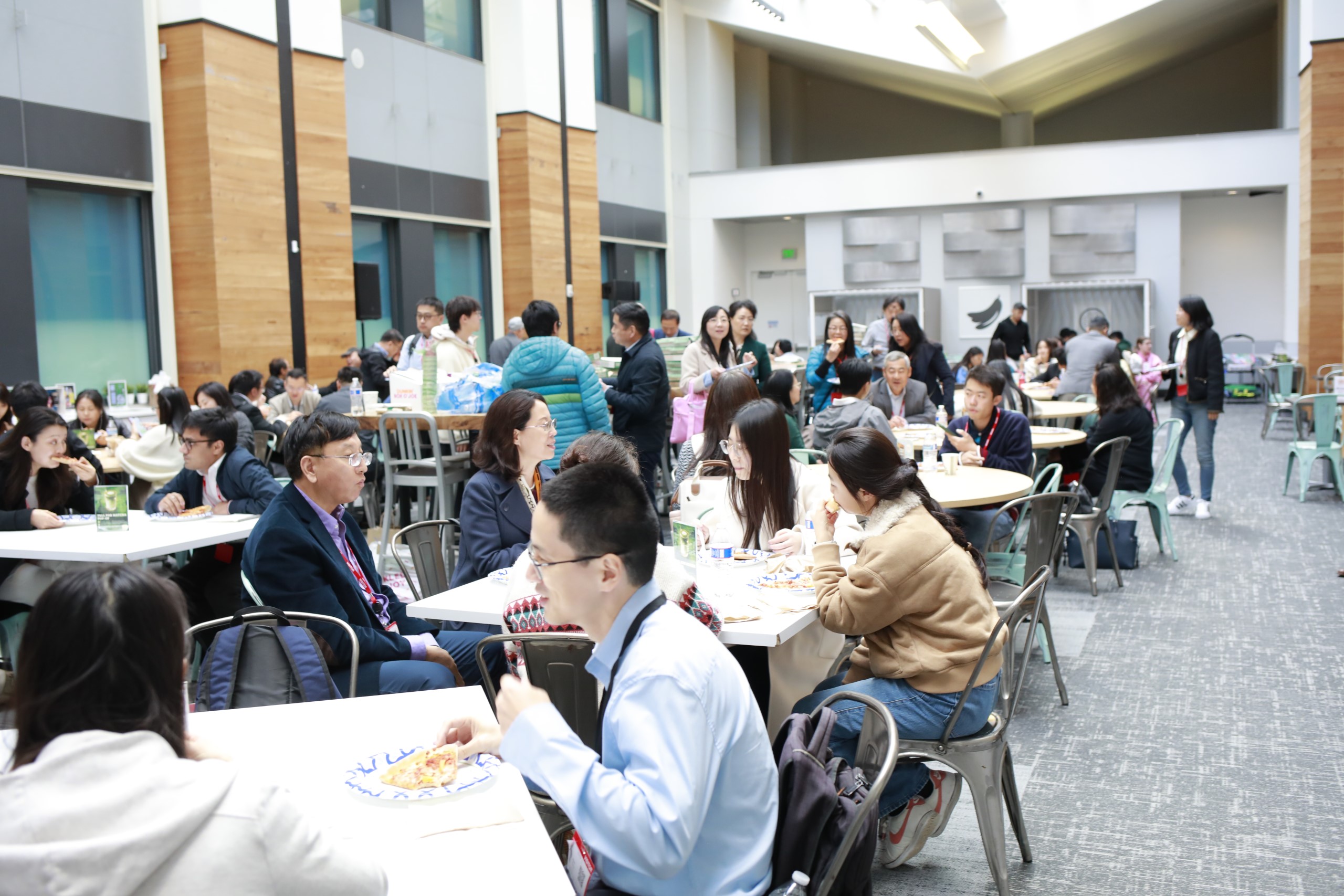
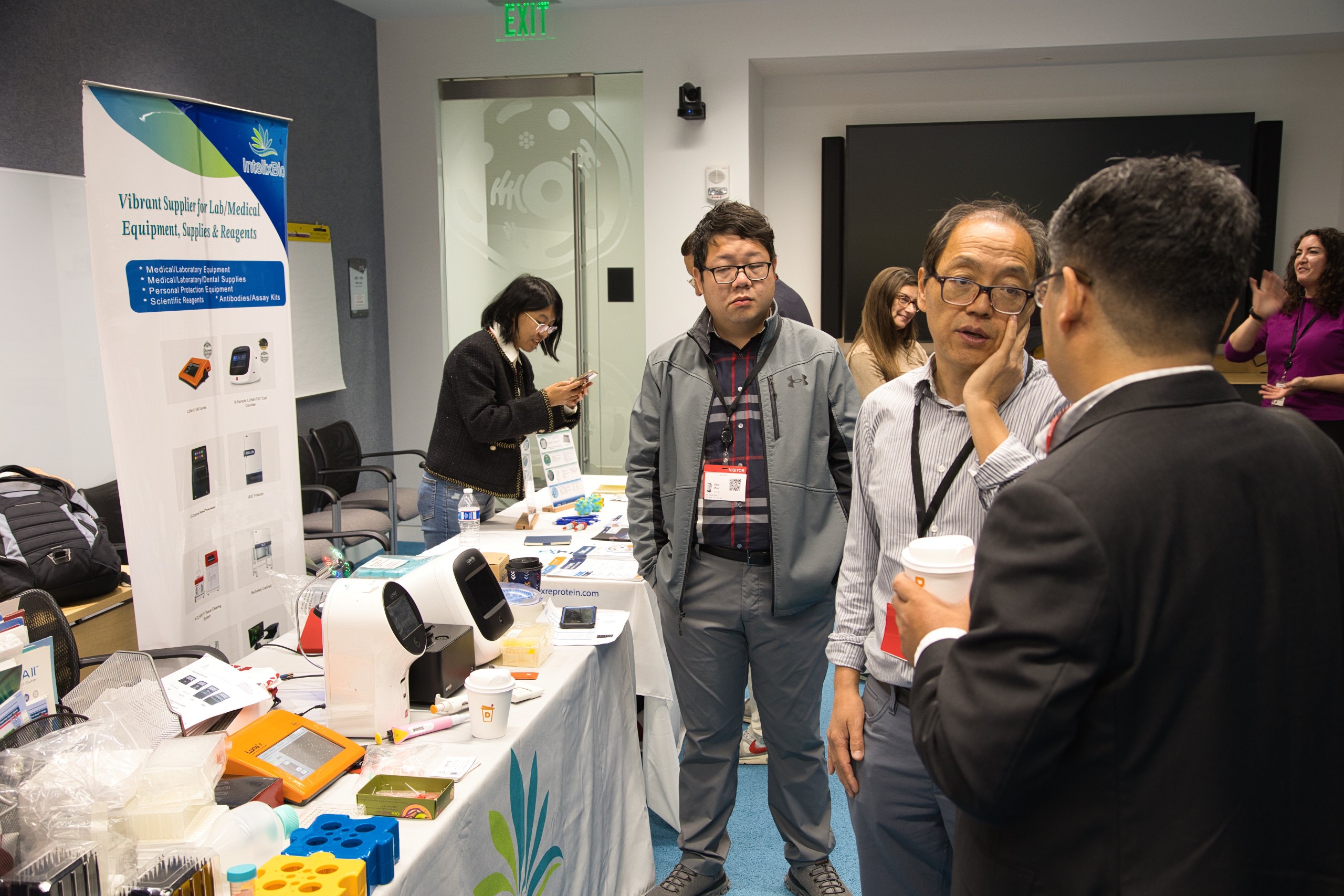
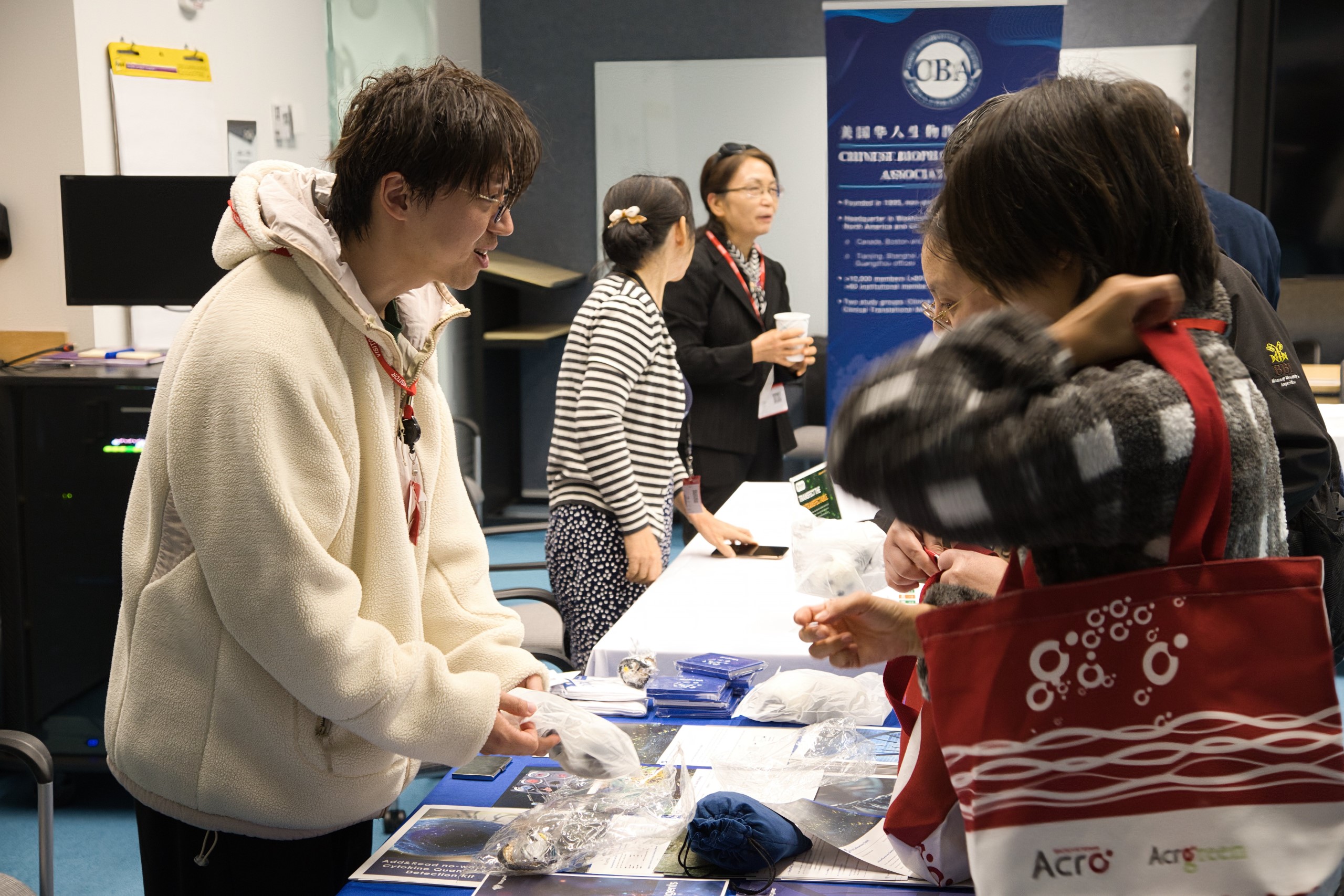

Special thanks to our livestreaming platform partners, Tongxieyi and BioValley, for their generous support!
CBA Welcomes Partners
CBA offers partners sustained opportunities to participate in conferences and major events, showcase their organizations, share expertise, and build professional relationships. To further support exchange and discussion of emerging technologies across the Chinese and U.S. biopharmaceutical communities, CBA is inviting sponsorship partners for its 2026–2027 flagship events and ongoing professional programs.
2026–2027 Flagship Events
- November 7, 2026 — Rare Disease Science Symposium, held successfully. Brought together academic and industry experts to discuss advances in rare disease research and therapeutic development.
- February 2027 — CBA Lunar New Year Gala. An annual celebration bringing together the Chinese biopharmaceutical community.
- April 2027 — CBA Career Development Forum. Supporting professional growth and connecting talent with companies and industry leaders.
- June 12, 2027 — CBA Annual Conference. Bringing together experts and industry representatives to explore global trends and opportunities for collaboration.
Ongoing Programs and Networking Opportunities
- CBA Quarterly Online Science Symposium. Connecting professionals across regions through quarterly discussions of emerging topics in the life sciences.
- Monthly In-Person Happy Hour. Offering regular opportunities for brand visibility and face-to-face interaction in a relaxed professional setting.
- CBA Frontier Insights. Providing a forum for discussions of emerging technologies and industry trends, with opportunities for companies to share their innovations and engage the wider biopharmaceutical community.
As the global biopharmaceutical and healthcare sectors face new opportunities and challenges, CBA looks forward to working with existing and new partners to deepen professional exchange, expand collaboration, and support industry progress.
For details on sponsorship opportunities and benefits, please contact organizing committee member Dr. Qing Li at qing.li@cba-usa.org or reach out through CBA’s official WeChat account.
About CBA
Founded in 1995, the Chinese Biopharmaceutical Association (CBA) is an independent, nongovernmental, nonprofit professional organization and one of the largest Chinese-American professional and technical associations in the United States. Headquartered in Washington, D.C., CBA has chapters in Boston, Canada, and China. The association has approximately 10,000 individual members and nearly 100 corporate and institutional members, with a community spanning the United States, China, Europe, Canada, Australia, Singapore, Japan, and other regions. Further information is available on the CBA website.
CBA’s mission is to promote exchange and collaboration among biopharmaceutical professionals and advance the life sciences and healthcare sectors. The association supports business cooperation and partnerships across countries and regions, particularly between China and the United States. It also supports professional development and entrepreneurship, creating opportunities for biopharmaceutical companies and research institutions to collaborate and grow.
Over the years, CBA has organized and co-hosted annual conferences, workshops, symposia, and networking events. These programs provide opportunities for professionals to share knowledge, deepen their expertise, discuss industry developments, build networks, and advance their careers. The dedication of its members and the sustained support of its sponsors have enabled CBA to continue expanding its activities and impact.
CBA members work to strengthen the exchange of talent and projects between China and the United States and advance the development and commercialization of innovative medical products. Their work spans novel oncology drugs and antibodies, vaccines, nucleic acid therapeutics, longevity and healthy aging, microbial molecular diagnostics, gene and cell therapies, artificial intelligence and big data, precision medicine, modern biopharmaceutical manufacturing, legal and regulatory affairs, and investment supporting research and industry development. Across these fields, members contribute to addressing global needs in disease prevention and treatment and improving patient care.
CBA’s presidents and members include accomplished entrepreneurs and investors who have made significant contributions to innovation, business development, and scientific exchange between China and the United States, particularly in the biopharmaceutical sector.
Individual and Corporate CBA Member Registration
CBA sincerely invites you to join the CBA family!
QR Code for Individual and Corporate Member Registration:
CBA “We Need You” Volunteer Recruitment
CBA Volunteer & Emerging Leaders Program
Join us in advancing medicine and shaping the future.
CBA’s growth depends on the enthusiasm and commitment of its volunteers. To welcome more students, early-career researchers, and biopharmaceutical professionals into the CBA community, the association is launching the CBA “We Need You” Volunteer Program and establishing an ongoing volunteer community.
Volunteers can contribute in the following areas.
- Scientific Programs — Scientific lectures, webinars, and academic events.
- Career & Student Programs — CFI, study groups, and career development initiatives.
- Communications & Media — WeChat, Red Note, LinkedIn, posters, and media outreach.
- Events & Community — The annual conference, networking events, and community activities.
- Business Development — Corporate partnerships, sponsorship, and resource development.
- IT & Digital Support — Website maintenance and digital technology support.
Volunteering with CBA provides opportunities to expand professional networks, gain organizational experience, and develop collaboration and leadership skills. Through continued participation, volunteers may progress to roles such as Core Volunteer, Volunteer Lead, or Committee Member.
Scan the QR code to apply and join the CBA “We Need You” Volunteer Community!
Inviting CBA Partners
We sincerely invite colleagues, enterprises, and institutions worldwide who are interested in participating in science and innovation within the Chinese and US biopharmaceutical industries, have high-quality projects, products, and services, and wish to showcase and promote them, to join us!
Partners of CBA will deeply participate in multiple conferences and major events organized by CBA on numerous occasions, gaining opportunities for “multi-layered promotion.” The future global biopharmaceutical and healthcare industries face many challenges and opportunities. CBA looks forward to joining hands with both new and old partners for win-win outcomes, continuing to ride the waves, forge ahead, actively prepare, and jointly welcome new opportunities and challenges! For more detailed information, please consult and contact Dr. Qing Li from the organizing committee (qing.li@cba-usa.org) or follow the official CBA WeChat account.
Sponsors and Partners
CBA expresses its heartfelt gratitude to all sponsors and partners for their strong support!